A rare tawaki or Fiordland crested penguin is thought to have been killed by a dog at a Haast wildlife refuge and DOC is asking pet owners to ensure their animals are under control and kept out of prohibited areas.
A dog was seen running loose in the Okahu/Jackson Bay Wildlife Refuge and a short time later, clumps of tawaki feathers were found in the coastal forest beside the Wharekai Te Kou walking track. A tawaki penguin on another Haast beach has also been handed in by a member of the public who found it injured on the beach, with evidence of being attacked by a dog. The penguin sadly had to be put down.
A wildlife refuge is strictly off limits to all but approved conservation dogs. Wildlife refuges contain either breeding colonies of animals or particularly rare animals, which suffer when dogs enter the area.
Biodiversity Ranger Inge Bolt says people are ignoring the signage at the Wharekai Te Kou track which is a wildlife refuge where dogs are strictly prohibited.
Penguins and other ground dwelling native birds don’t naturally co-exist with dogs, and they can’t escape easily – it takes just a second for a dog to cause a fatal injury to a penguin.
“Responsible dog owners need to read the signs and know where their dog is allowed – particularly in sensitive wildlife areas. In some areas dogs are allowed, but only on a lead.
“People are also ignoring the council signage in the settlement of Jackson Bay requiring dogs to be on a lead. Both of these restrictions are in place to protect the penguins and seabirds that live in this area.
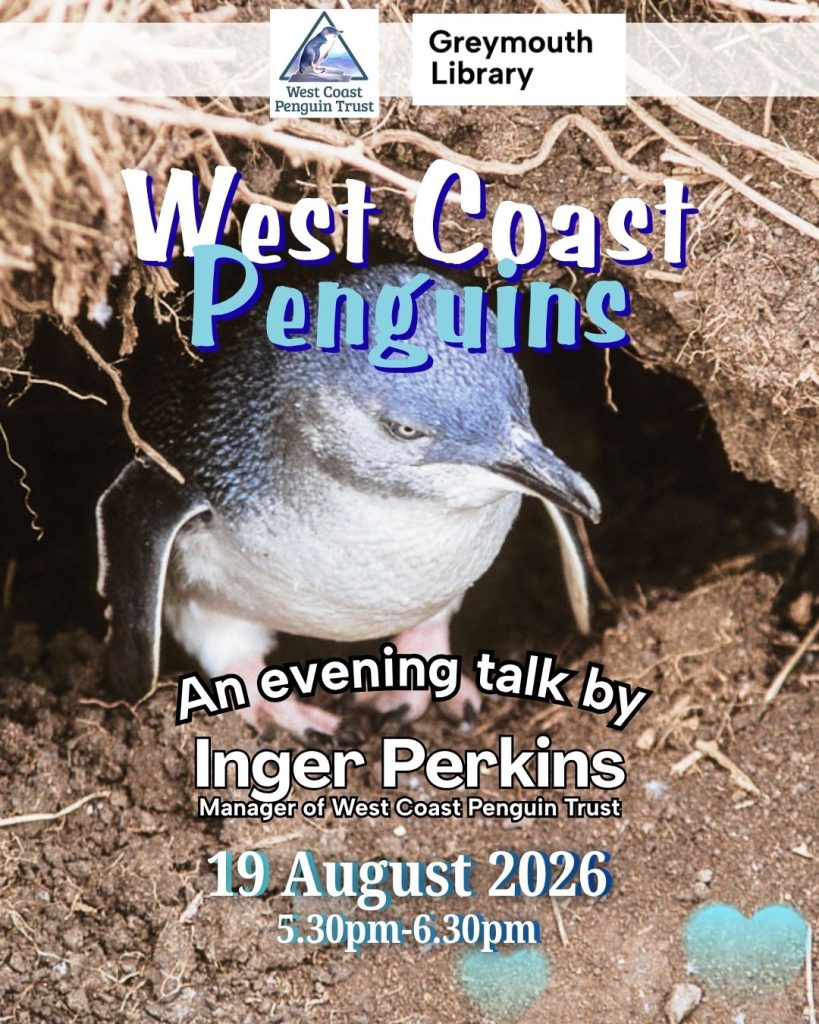
West Coast Penguin Trust Manager, Inger Perkins agrees.
“The Trust has worked hard to ensure consistent messages are presented across the West Coast at beach access points. It is a simple message – keep dogs on leads in coastal vegetation and after dark at the beach. At other times, keep the dog under very close control. Never take them into areas where they are prohibited. We have been working for several years to understand and better manage threats to tawaki. Dogs should not be one of the threats. These penguin deaths were entirely avoidable.”
Haast receives a lot of visitors from the South Island and further afield. Many stay in Air Bnb’s, campgrounds, motels or baches and are here for holidays and weekends. Some people bring their dogs, but a few people are ignoring the rules, and their dogs can have a devastating impact.
Maps detailing areas of dog access and prohibition are available from DOC – either on the website or at visitor centres. If people are unsure, they should seek advice. Dog permits can be obtained from DOC for some areas, depending on the wildlife of that area.
Inger Perkins was interviewed by RNZ’s The Panel – listen here.