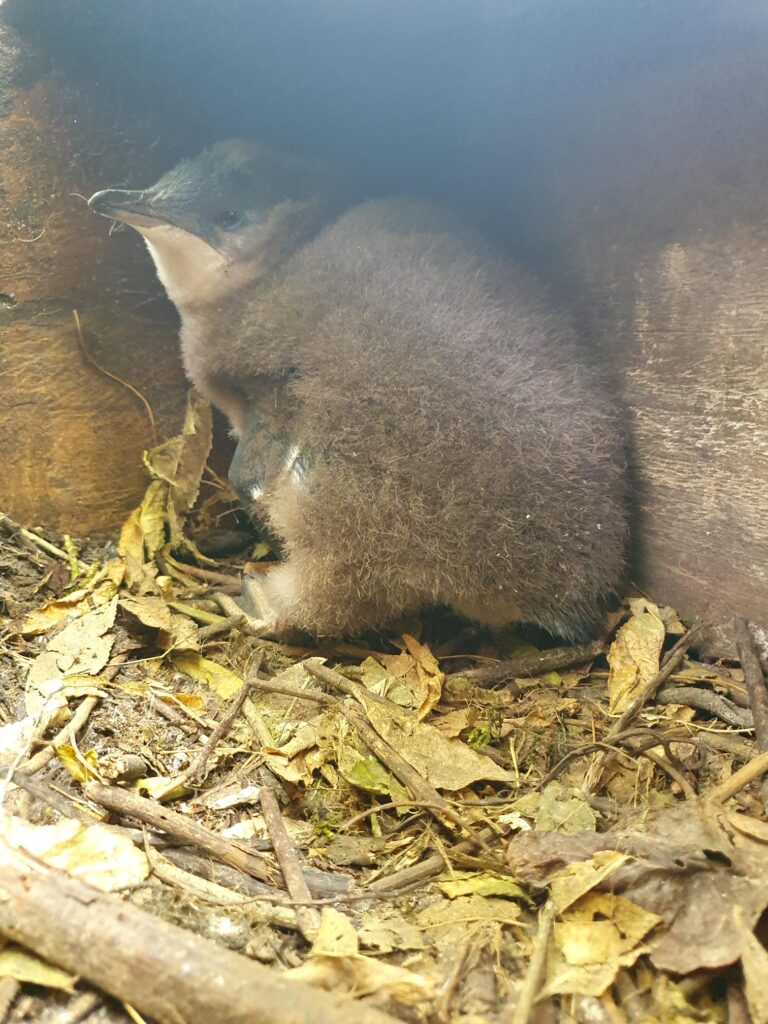
Knoll Colony, Nile River, Charleston
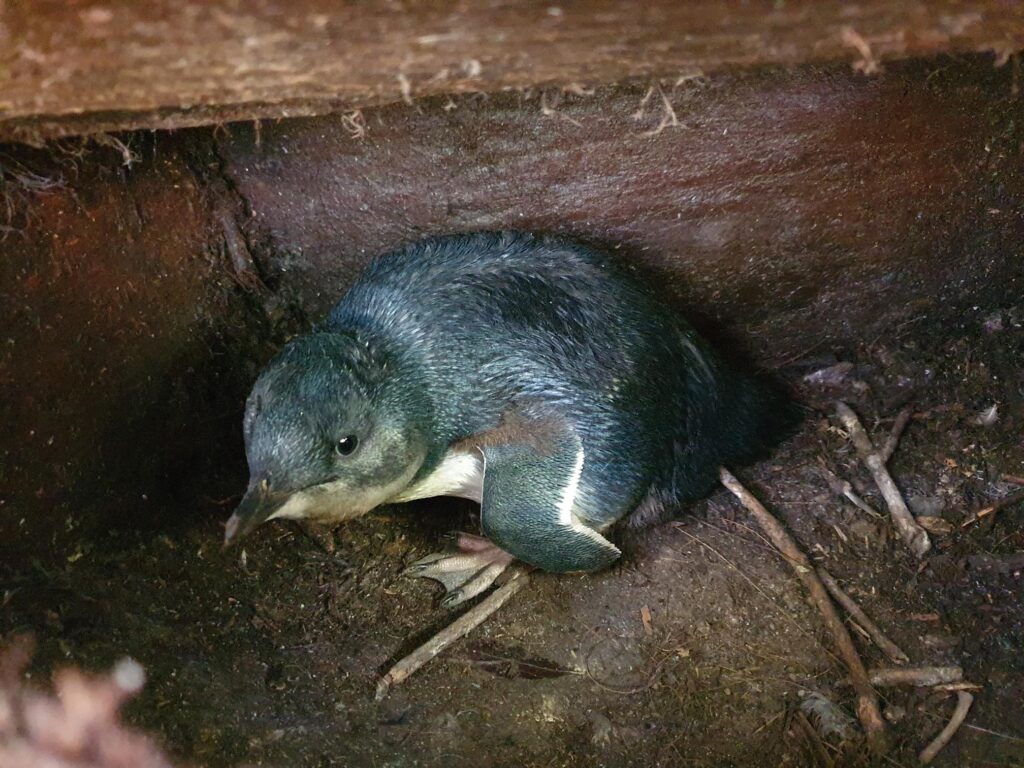
Ranger Lucy reports an average year this year for kororā.
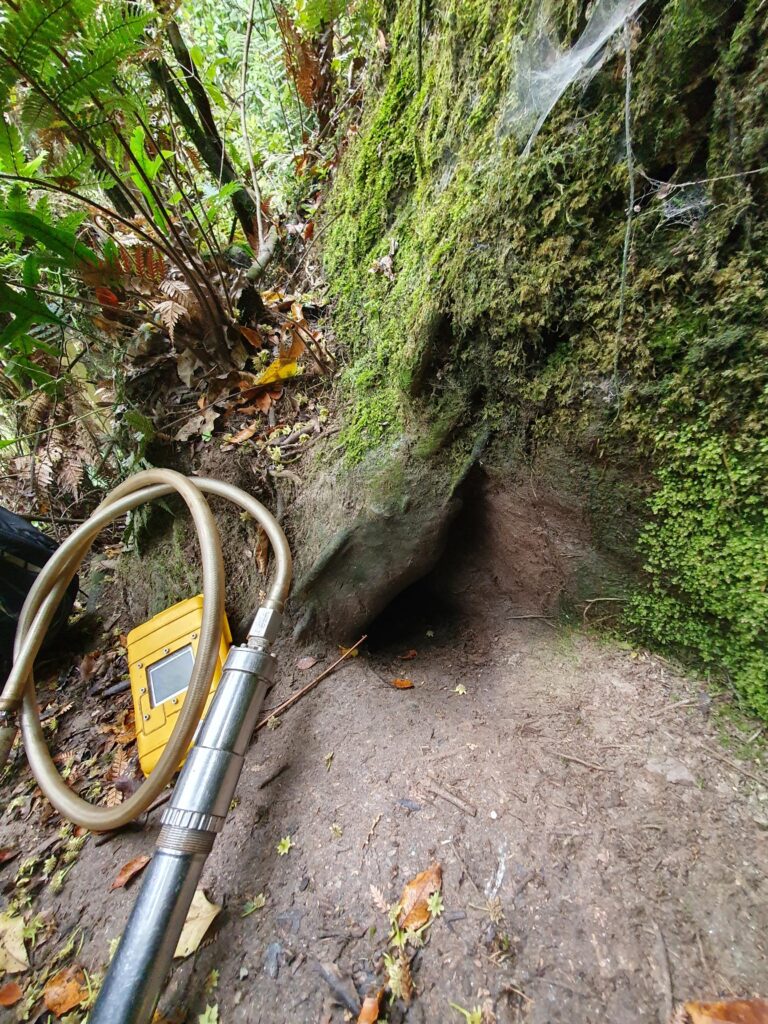
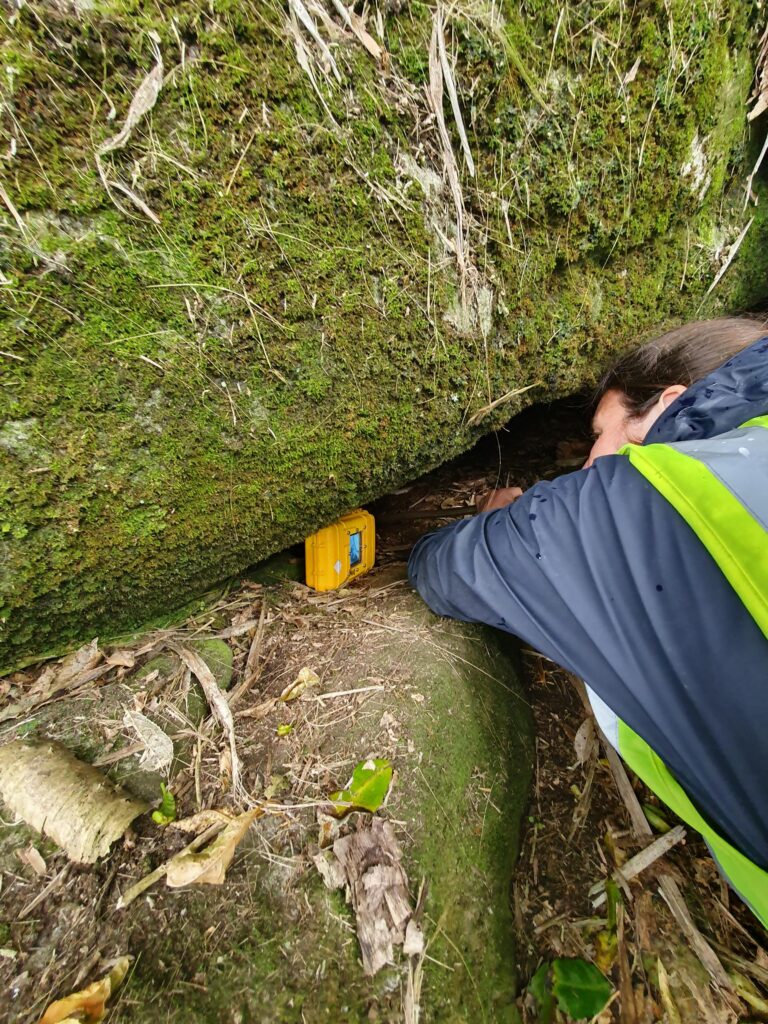
At the Knoll, 57% eggs fledged, which was significantly higher than last season’s 35% and 2016 and 2017 seasons (37% & 43% respectively), but still significantly lower than the good seasons of 2020 and 2021 (73% & 82%).
The time frame of the breeding season was very spread out this year, with some eggs laid as early as late July (but all failed) and some as late as late October/early November. The majority were laid mid-August/early September, which is comparable to other years.
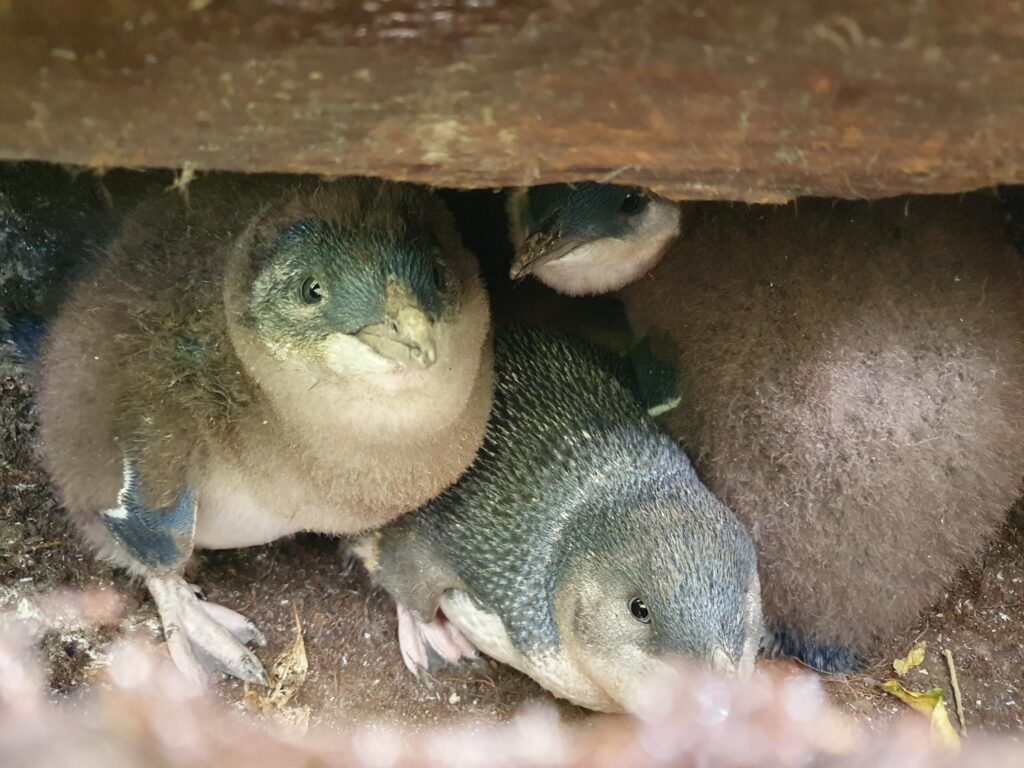
Nest box C5 is usually the first to lay eggs and start the season off, according to records and word of mouth, however this year, they didn’t lay until early September and had a failed attempt. They then tried again with a second attempt in early October, with two chicks successfully fledged.
The number of eggs laid was similar to the last few years, ranging between 45 and 49. The number of failed attempts seems to have risen from 3 per season in past years, to up to 13 in recent years. As the season seems to have got later and more spread out, the failed attempts seem to have increased. This year, we had 11 failed attempts, consisting of 2 burrows that had 1 failed attempt and abandoned breeding after that, 3 burrows that had 1 failed attempt and then went on to breed successfully after that, 2 burrows that had 2 failed attempts and then abandoned for the season and 1 burrow that had 2 failed attempts and then went onto to breed successfully on their third attempt. However, because they are not yet microchipped, we cannot prove this latter pair is the same pair who laid 3 clutches, and this seems unusual.
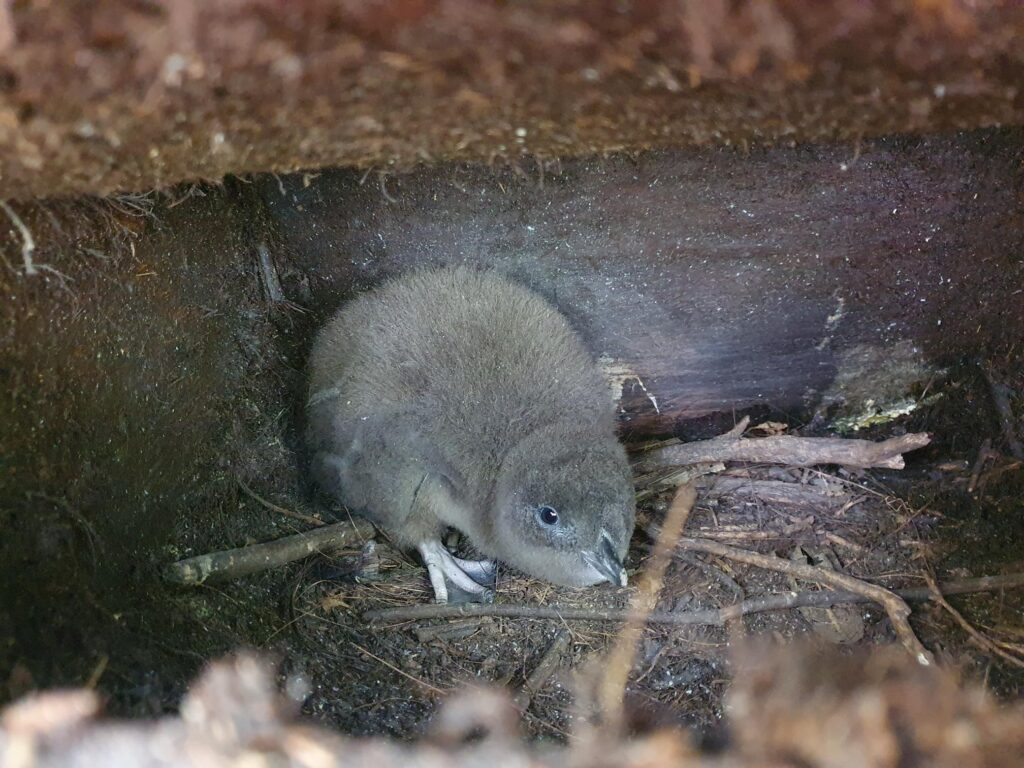
Table showing comparison between years – breeding at Nile Knoll kororā colony
| Year | 1st egg laid | Majority of eggs laid | No. of eggs laid | Chicks hatched | Chicks fledged | Failed attempts | Breeding success % (chicks fledged/eggs laid) |
| 2020 | 17/8 | Mid/late Sept | 49 | 39 | 36 | 3 | 73% |
| 2021 | 13/8 | Mid/late Aug | 45 | 39 | 37 | 1 | 82% |
| 2022 | 27/8 | End Aug/start Sept | 48 | 22 | 17 | 13 | 35% |
| 2023 | 31/7 | Mid Aug/start Sept | 49 | 30 | 28 | 11 | 57% |
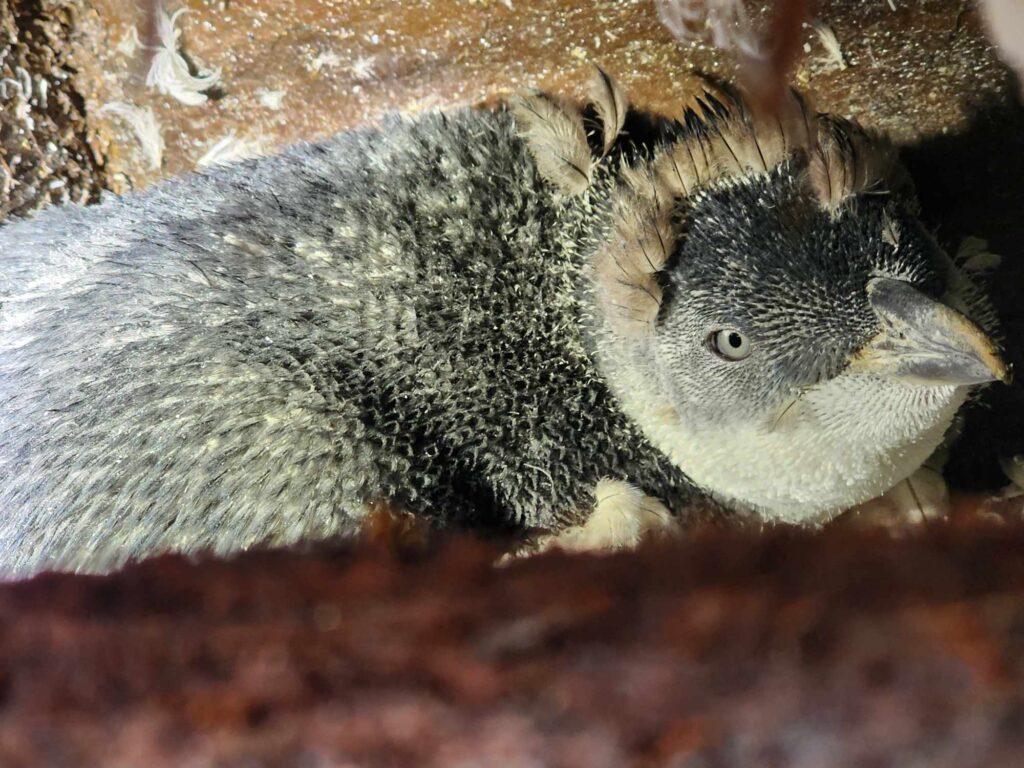
The other point of interest was that we had natural burrows at the Knoll (and also nest boxes at Camerons) that had had a penguin moulting in the same burrow directly after chicks had fledged, which, having asked advice from Oamaru Blue Penguin Colony scientist, Dr Phillipa Agnew, we learned that this is unusual. The adults of that burrow would usually go to sea to feed up and put weight on before a moult, meaning that it would have been a different penguin finding shelter for a moult, according to our Dr Agnew.
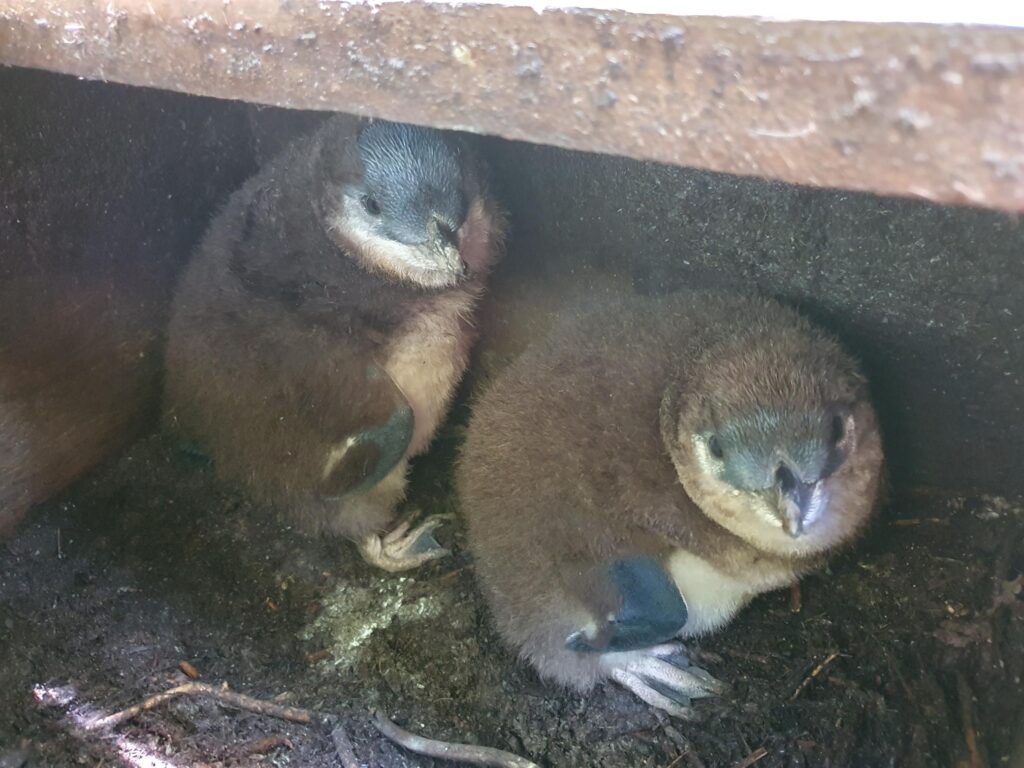
Rahui Colony, Nile River
Our other colony at Charleston, on the Nile River is called Rahui colony. This is on private land so faces fewer disturbances than the Knoll. This is made up of all nest boxes and is also monitored fortnightly.
Table showing breeding success monitoring at the Rahui colony
| Year | Nests monitored | Breeding attempts | Failures | Fledged chicks | First eggs seen | Breeding success % (chicks fledged/eggs laid) |
| 2021 | 44 | 31 | 1 | 57 | 11-Aug | 89.10% |
| 2022 | 45 | 19 | 7 | 19 | 22-Aug | 47.50% |
| 2023 | 28 | 23 | 3 | 37 | 8-Aug | 80.40% |
Other Buller colonies
Joyce Bay, Whitehorse Bay, Punakaiki River, Bullock Creek are all monitored twice per season and they showed similar trends to previous years, with less failed attempts than last year.
We also maintain a 23 trap predator control line at Cape Foulwind to protect Wall Island and the sooty shearwaters there. There are penguins nesting there also and this year we had an interesting sharing of burrows with penguins nesting in sooty burrows and then sooties taking back their nests later on in the season. We look forward to setting some camera traps next year to find out what is going on there.
All in all, an average season for the Buller kororā, better than last year, but not as good as previous years.