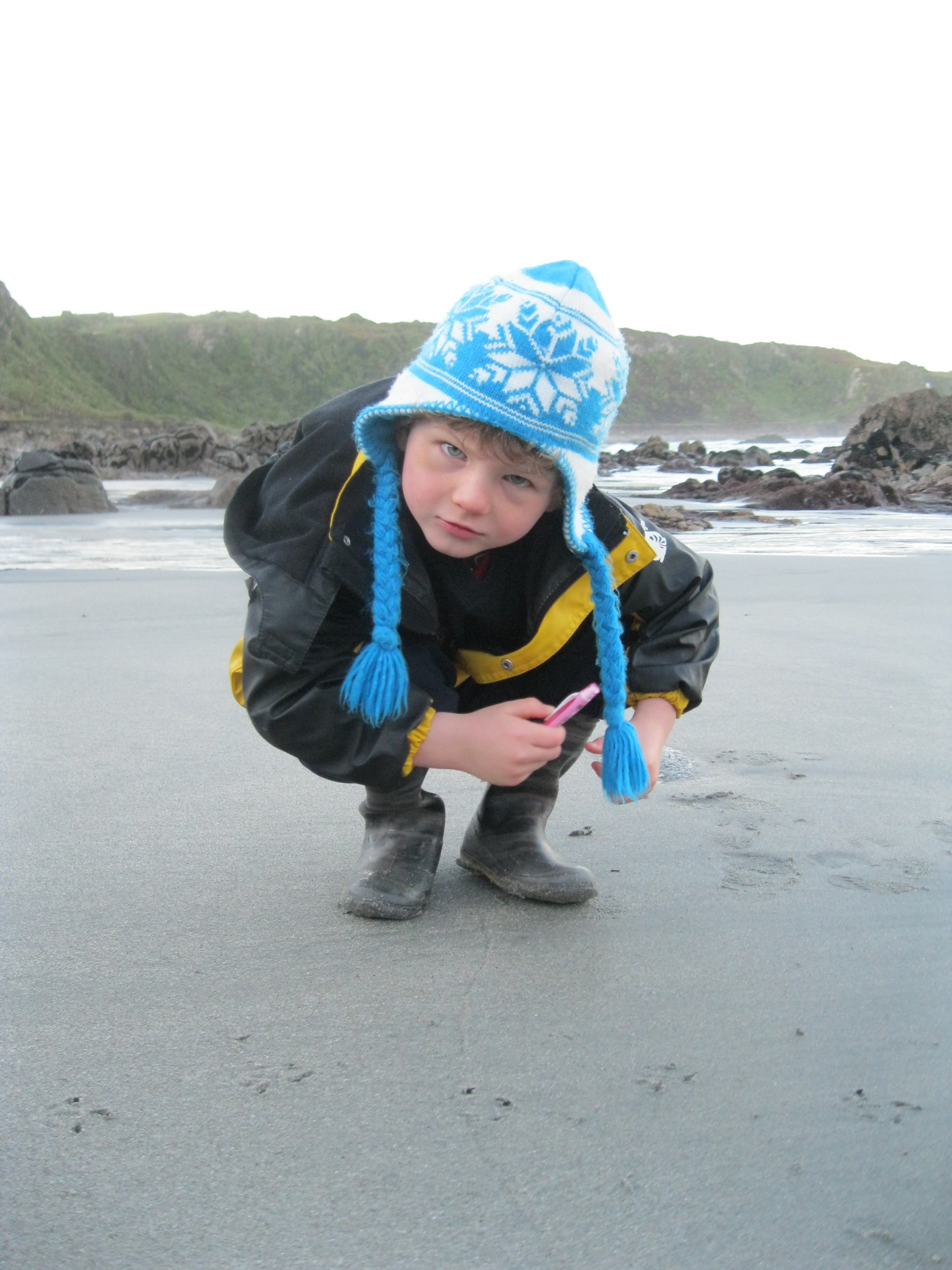
Blue penguin numbers seem to be declining on the West Coast according to the results of the eighth annual survey. Where the same stretches of beach have been surveyed in both 2012 and 2013, penguin tracks counted were down from 397 to 338 this year. Weeks of stormy weather led to a worse than average season for penguins in 2011, and a lower penguin count in that year.
A total of 52 volunteers enjoyed an early morning walk on beaches from Haast to Karamea in September, looking for penguin footprints and taking note of any other points of interest. The results provide information about the scattered penguin populations on the West Coast, and some of the threats they face.
Erosion is one of the main factors effecting nesting habitat for penguins. On-going sea erosion was a problem for nesting birds in the Salt Water lagoon area, said volunteer Bill Johnson. In the Nine Mile Beach area near Rapahoe, erosion has been so bad penguins have moved from their traditional spot and are now nesting among rocks further along the bay.
Roaming dogs are also a problem for penguins. Barrytown volunteers Kevin and Brenda Kaye said unsupervised dogs were seen wandering about near penguin burrows. In the Buller area one of the worst problems faced by penguins are roaming dogs, with sightings frequently reported by volunteers.
Highway deaths remain the single largest threat to blue penguins on the West Coast however. There were three road deaths on the Coast Road during census week reported by local volunteer Fiona McDonald of Fox River, bringing the known total number of penguin road deaths in the past five years to over 100 in this location alone.
Erosion was particularly noticeable at beaches north of Westport, as well as some of the beaches south of Hokitika. However, in other areas such as Doughboy Beach the beach is building back up. Ian and Jack Davidson commented in their survey notes that the 2 km of restoration work carried out to combat erosion in the Robinsons Road to Arahura area is flourishing and will eventually provide renewed penguin habitat.
The colonies at Okarito are still doing well, but blue penguins seem to be fewer than in previous years. The cause of this is currently a mystery. Volunteer Ian James of Okarito commented, “I’ve no idea why, we had major storms a few months ago but nothing really out of the ordinary”.
Trust member and volunteer Paul Elwell-Sutton counted only two penguin tracks this year in the Haast area, three less than last year. He noted in his survey feedback that the most likely challenges facing penguins along this stretch of coast were dogs, people, vehicles (such as 4WD’s and quad-bikes), and stoats.
The blue penguin census takes place once a year on the West Coast in August. Organised by the West Coast Blue Penguin Trust, it encourages local communities to get outdoors, count blue penguin footprints and connect with their beach.
The census provides the Trust with valuable information, which, although unscientific, contributes to the overall picture of the blue penguin population. The information compliments the Trust’s detailed colony monitoring taking place in Charleston and Punakaiki, as well as monitoring being done by DOC. It also offers an enjoyable opportunity for people to get to know their beach and share their experience with others. The Trust would like to thank all those who took part in the 2013 census.
For the full report of the census results, click here: Census results 2013