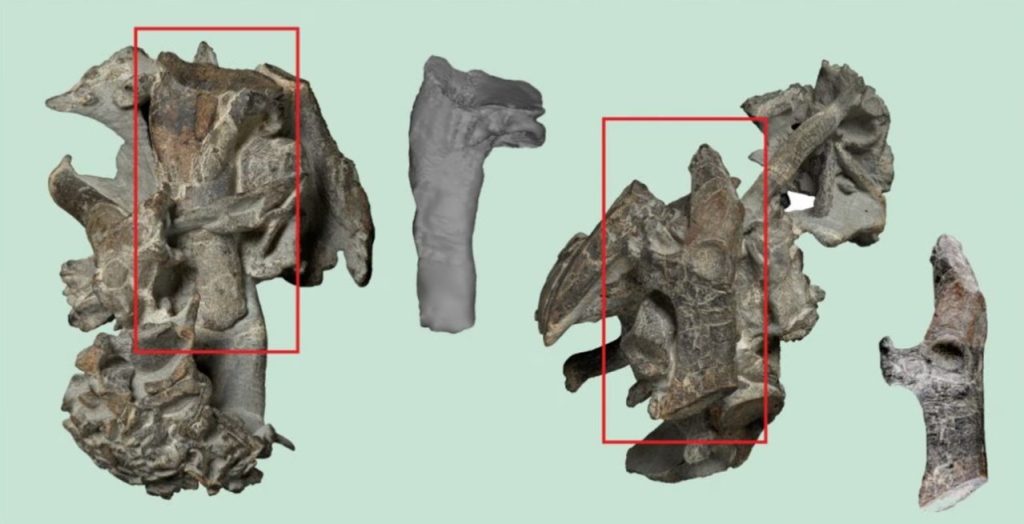
Trust Tawaki Coalition partner, Dr Thomas Mattern/The Tawaki Project, has just released his report following five years of field work studying the Fiordland crested penguin or tawaki across their range, from Jackson Head in South Westland, via Harrison Cove in Milford Sound to Codfish Island/Whenua Hou.
Since 2014, Dr Mattern and his team have been studying the foraging behaviour, reproductive
success and population developments of tawaki, adding significantly to the minimal knowledge of this species.
For example, the deployment of GPS dive loggers to record the penguins’ at-sea movements painted a
clear picture of a species with versatile foraging strategy allowing it to successfully breed in open ocean environments, as well as enclosed fjord systems and shallow coastal habitat to the South of New Zealand’s South Island.
Penguins breeding deep within fjords appear to benefit from an ecosystem that seems to be unaffected by large-scale environmental perturbations such as El Niño. The short foraging ranges of tawaki from Whenua Hou suggest similar mechanisms. However, penguins from the West Coast seem to suffer from such occurrences where increased foraging effort goes along with reduced reproductive success (see the 2015 report when breeding failed almost entirely at a monitored South Westland colony).
This is surprising given that current population estimates put the exposed West Coast as core breeding area of the species. However, nest surveys conducted during the Tawaki Project and by WCPT Tawaki Ranger, Robin Long, indicate that penguin numbers especially in Fiordland may represent underestimations.
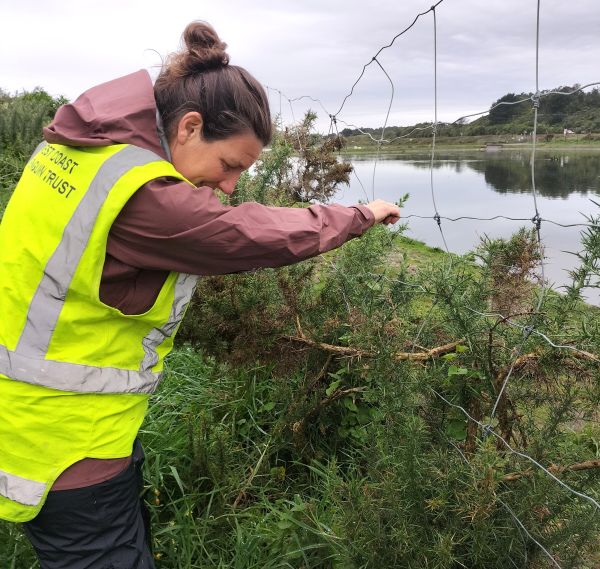
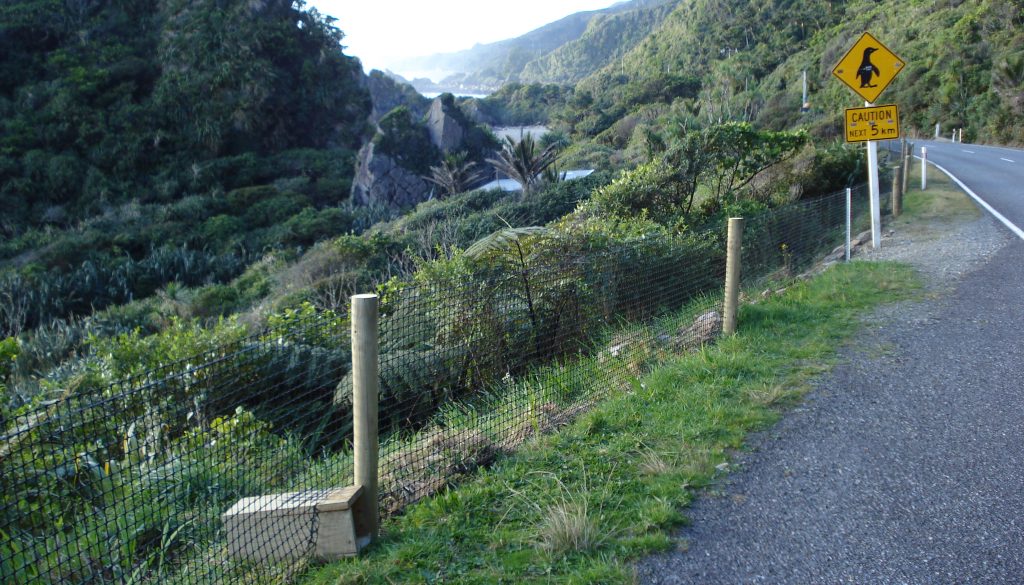 While materials were chosen that would stand up to the harsh coastal conditions, those same coastal conditions are conducive to plant growth! Occasional checks of the fences have been carried out by volunteers and rangers so that any maintenance needs can be identified and remedied. The never-ending need for maintenance is managing the vegetation that can grow through the fence, for example gorse, blackberry and hydrangea, pushing it to breaking point in places, or flop over causing damage from the weight of rank grass, rushes and weeds such as montbretia.
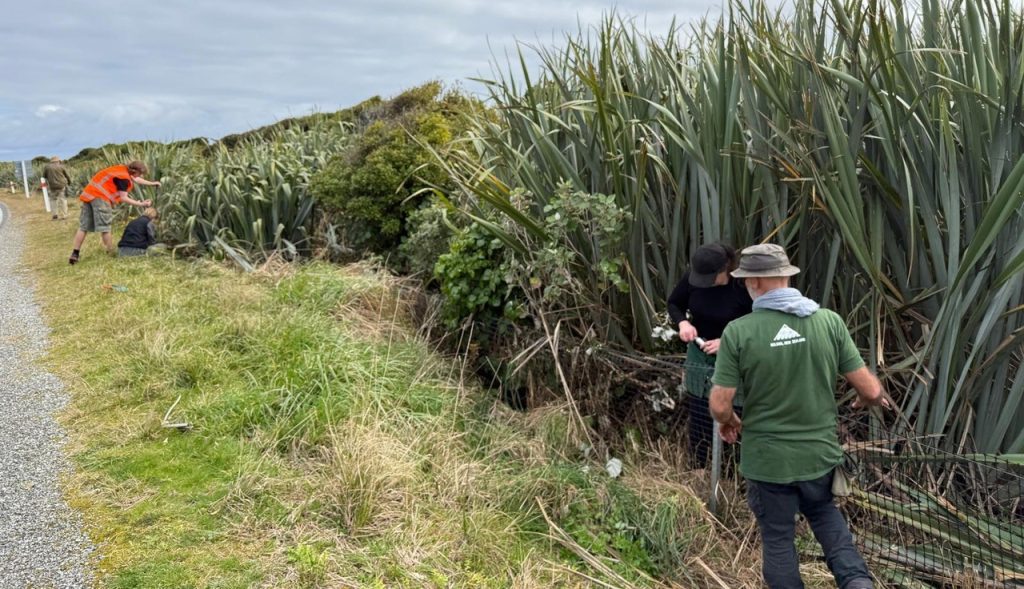
Volunteers recently spent a few hours tidying up the main fence along Woodpecker Bay north of Punakaiki so a big shout out to them - thank you Fiona, Jony, Reef, Katrina, Mandy, Marty, Teresa and Deb! Flax had been pressing down on the fence, but now the fence has been freed up by these wonderful volunteers - and they picked up a fair bit of rubbish too.
While materials were chosen that would stand up to the harsh coastal conditions, those same coastal conditions are conducive to plant growth! Occasional checks of the fences have been carried out by volunteers and rangers so that any maintenance needs can be identified and remedied. The never-ending need for maintenance is managing the vegetation that can grow through the fence, for example gorse, blackberry and hydrangea, pushing it to breaking point in places, or flop over causing damage from the weight of rank grass, rushes and weeds such as montbretia.
Volunteers recently spent a few hours tidying up the main fence along Woodpecker Bay north of Punakaiki so a big shout out to them - thank you Fiona, Jony, Reef, Katrina, Mandy, Marty, Teresa and Deb! Flax had been pressing down on the fence, but now the fence has been freed up by these wonderful volunteers - and they picked up a fair bit of rubbish too.
 Volunteer Natassja Savidge has offered to check and help maintain the Hokitika penguin protection fence and joined Ranger Lucy Waller and Manager Inger Perkins in May to inspect the length of the fence. Some minor issues were found but the main finding was the extent of the vegetation growth that was damaging the fence in places. Big thanks to Natassja!