Exciting new Penguin Ambassador Encounter for the West Coast
November 5, 2025
New penguin encounter centre opened 17th October 2025
Exciting new Penguin Ambassador Encounter for the West Coast
New penguin encounter centre opened 17th October 2025
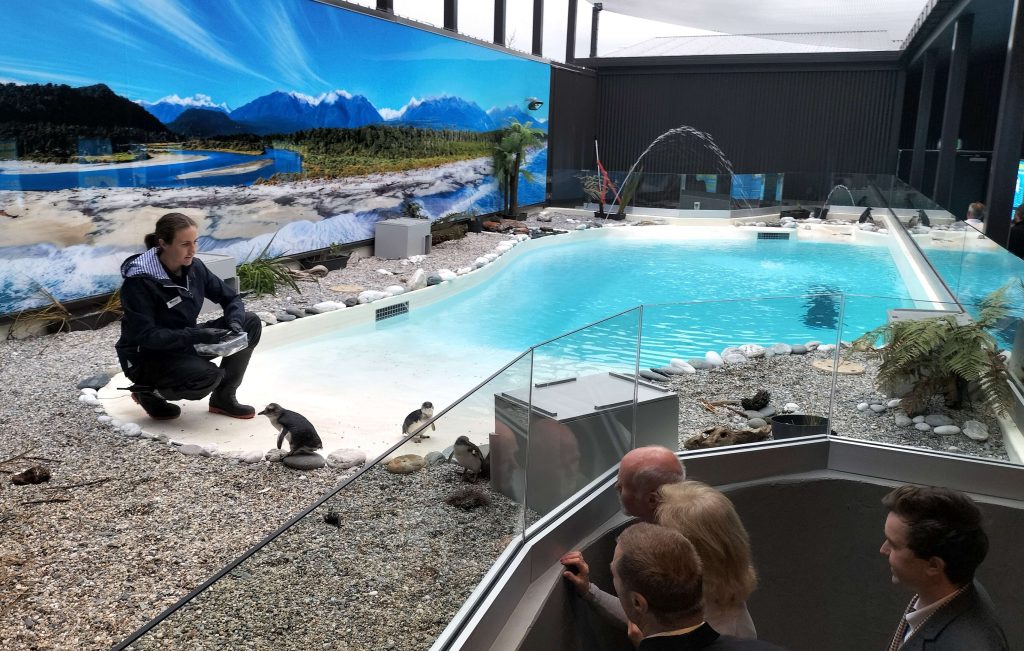
5 November 2025 An exciting new opportunity to meet little penguins / kororā - Ambassador Kororā Encounter - opened at the West Coast Wildlife Centre in Franz Josef last month. The West Coast Penguin Trust has been privileged to be connected to the ideas and plans for a penguin encounter opportunity here for a few years and were honoured to be at the official opening. We're delighted that our work is featured on a couple of panels at the new addition to the Wildlife Centre, a fixed panel and another that scrolls through some photos. Visitors are invited to make a donation for community conservation of penguins, kiwi and tuatara - the three species on display at the centre, promoting conservation of their relatives in the wild. Every year, donations will be shared between our trust and others working with kiwi and tuatara. The 'ambassador' penguins are birds that would not have survived in the wild, generally due to injury. Here, they can live out their lives in comfort and be ambassadors for their species. The event was opened by Paul Madgwick and other members of Te Rūnanga o Makaawhio with a Pōwhiri, followed by a speech by centre owner, Richard Benton, who, together with his wife Sherilee, have developed this wonderful new centre, benefitting penguins and the region. DOC Director Owen Kilgour added more conservation focus and noted the value of the work Richard and the West Coast Wildlife Centre have done for rowi and Haast tokoeka kiwi for many years and the strong partnership with DOC, welcoming the additions of penguins. Development West Coast CE, Heath Milne, welcomed the significant investment in tourism on the West Coast while giving conservation a priority, focus and stronger profile. And West Coast - Tasman MP, Maureen Pugh, had the honour of welcoming the new attraction and then cutting the ribbon with Richard. She also emphasised the importance of conservation - of our native species and their habitat, which was great to hear. Here's a news story about the ambassador penguins: https://www.facebook.com/reel/654336360889403 And photos below are from the opening event, including speeches, ribbon cutting, our panels, the donation panel, the opening event plaque, the penguins of course, and even ice penguin sculptures to add to the occasion. In place of red carpet, there was blue carpet, and the staff wore blue bow ties. The blue of little blue penguin was celebrated everywhere! Put a visit to the ambassador penguins and their wonderful new home on the to do list, for you, and your family and friends! https://wildkiwi.co.nz/the-attraction/penguinPenguin protection fences get some TLC
September 24, 2025
Checks and repairs of the fences have been carried out by volunteers and rangers
Penguin protection fences get some TLC
Checks and repairs of the fences have been carried out by volunteers and rangers
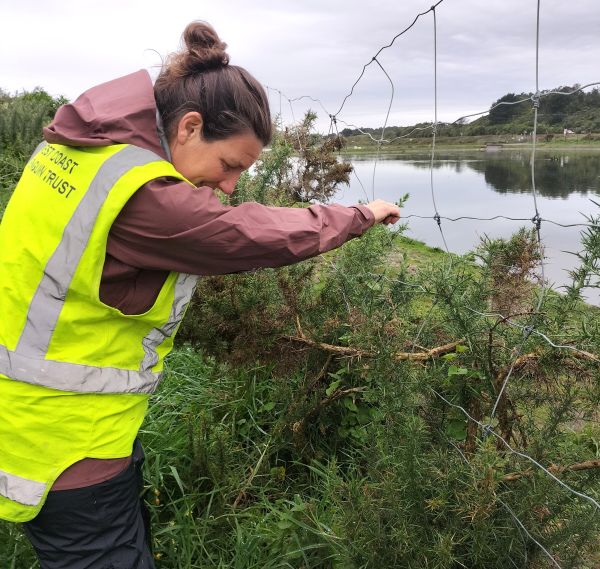
September 2025 The first trial penguin protection fence was installed just south of Punakaiki in 2013 and the main one for the Coast Road was constructed north of Punakaiki in 2014. A smaller one was added near Seal Island in 2015, the newest penguin protection fence was installed on the northern outskirts of Hokitika in 2021 and two new sections were added north of Punakaiki in 2023 and 2024.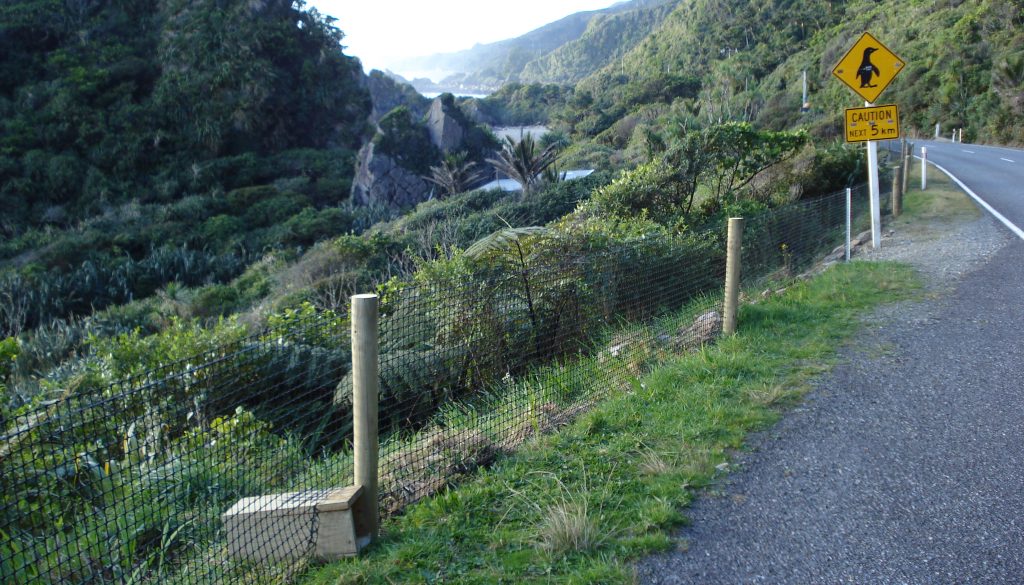 While materials were chosen that would stand up to the harsh coastal conditions, those same coastal conditions are conducive to plant growth! Occasional checks of the fences have been carried out by volunteers and rangers so that any maintenance needs can be identified and remedied. The never-ending need for maintenance is managing the vegetation that can grow through the fence, for example gorse, blackberry and hydrangea, pushing it to breaking point in places, or flop over causing damage from the weight of rank grass, rushes and weeds such as montbretia.
Volunteers recently spent a few hours tidying up the main fence along Woodpecker Bay north of Punakaiki so a big shout out to them - thank you Fiona, Jony, Reef, Katrina, Mandy, Marty, Teresa and Deb! Flax had been pressing down on the fence, but now the fence has been freed up by these wonderful volunteers - and they picked up a fair bit of rubbish too.
While materials were chosen that would stand up to the harsh coastal conditions, those same coastal conditions are conducive to plant growth! Occasional checks of the fences have been carried out by volunteers and rangers so that any maintenance needs can be identified and remedied. The never-ending need for maintenance is managing the vegetation that can grow through the fence, for example gorse, blackberry and hydrangea, pushing it to breaking point in places, or flop over causing damage from the weight of rank grass, rushes and weeds such as montbretia.
Volunteers recently spent a few hours tidying up the main fence along Woodpecker Bay north of Punakaiki so a big shout out to them - thank you Fiona, Jony, Reef, Katrina, Mandy, Marty, Teresa and Deb! Flax had been pressing down on the fence, but now the fence has been freed up by these wonderful volunteers - and they picked up a fair bit of rubbish too.
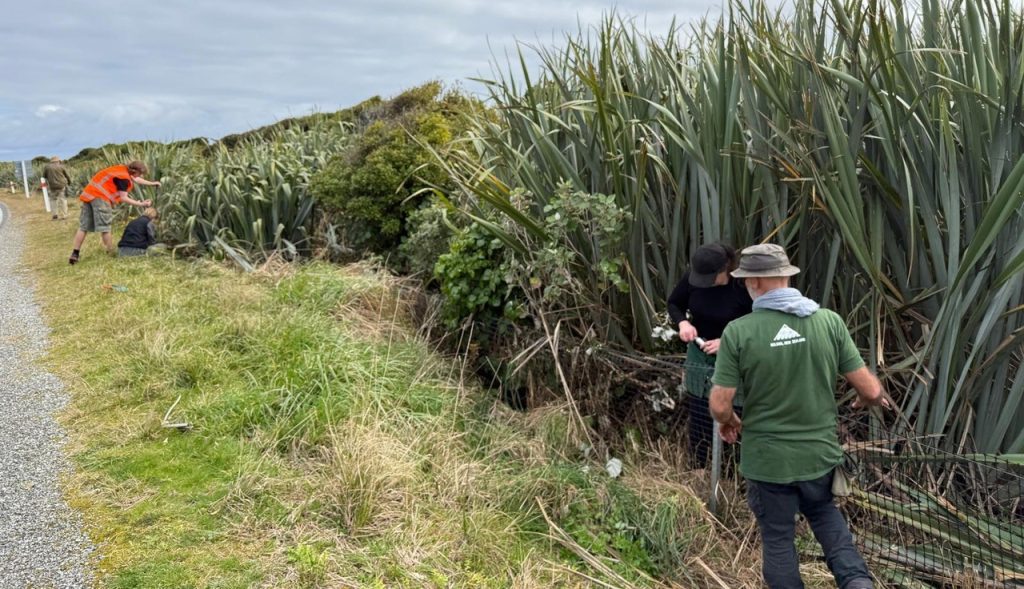 Volunteer Natassja Savidge has offered to check and help maintain the Hokitika penguin protection fence and joined Ranger Lucy Waller and Manager Inger Perkins in May to inspect the length of the fence. Some minor issues were found but the main finding was the extent of the vegetation growth that was damaging the fence in places. Big thanks to Natassja!
Penguin fossils tell the penguin story, including some found on the West Coast
September 22, 2025
West Coast New Zealand penguin fossil discoveries tell us about penguin evolution
Penguin fossils tell the penguin story, including some found on the West Coast
West Coast New Zealand penguin fossil discoveries tell us about penguin evolution
Penguin fossils have been popping up in the news in recent years so it was interesting to discover that they are also being found on the West Coast recently.
First, a bit of background. New Zealand boasts the world's richest record of penguin fossils. They reveal that ancient penguins were diverse in size, reaching sizes much larger than today's penguins. Those early giants show that large body size was present at the dawn of penguin evolution, with some fossils dating back 60-62 million years. The fossils have also provided insights into the rapid evolution of early penguins' limb or wing shape. A couple of years ago, we reported on a new penguin fossil where the species had been named after our late Chair and Scientist, Kerry-Jane Wilson MNZM (read it here).

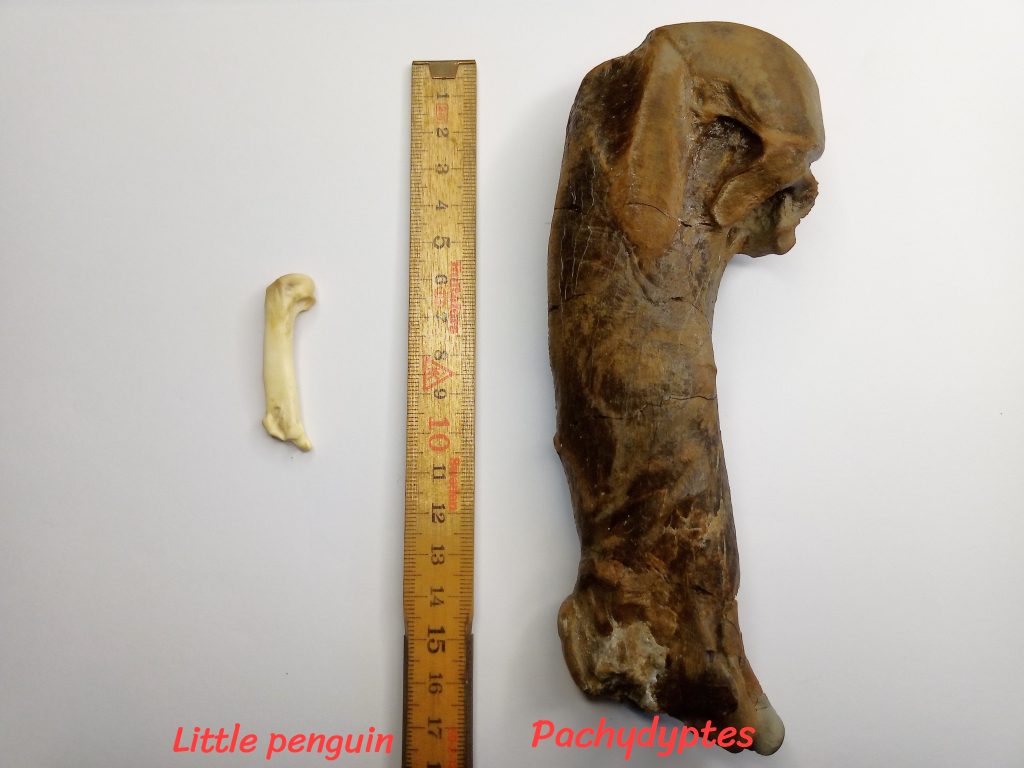
A couple of months ago, trust manager, Inger Perkins, and trust tawaki ranger, Catherine Stewart, were giving talks at the Westland District Library in Hokitika and were approached by a chap with a small suitcase. It turned out that, inside the case, Harry Jensen had the carefully prepared and packed fossil bones of a penguin's wing or flipper. The flipper fossil was much larger than that of a little penguin or kororā. In the case there are also two smaller as yet unidentified wing bones from two species of miocene-aged penguin found near Cape Foulwind, 11-9 million years old (Ma). He kindly accepted our invitation to speak for a few minutes at the end of the scheduled presentations explaining the hundreds of hours that goes into paring back the rock in which the fossils were found, often in large cobbles or small boulders.
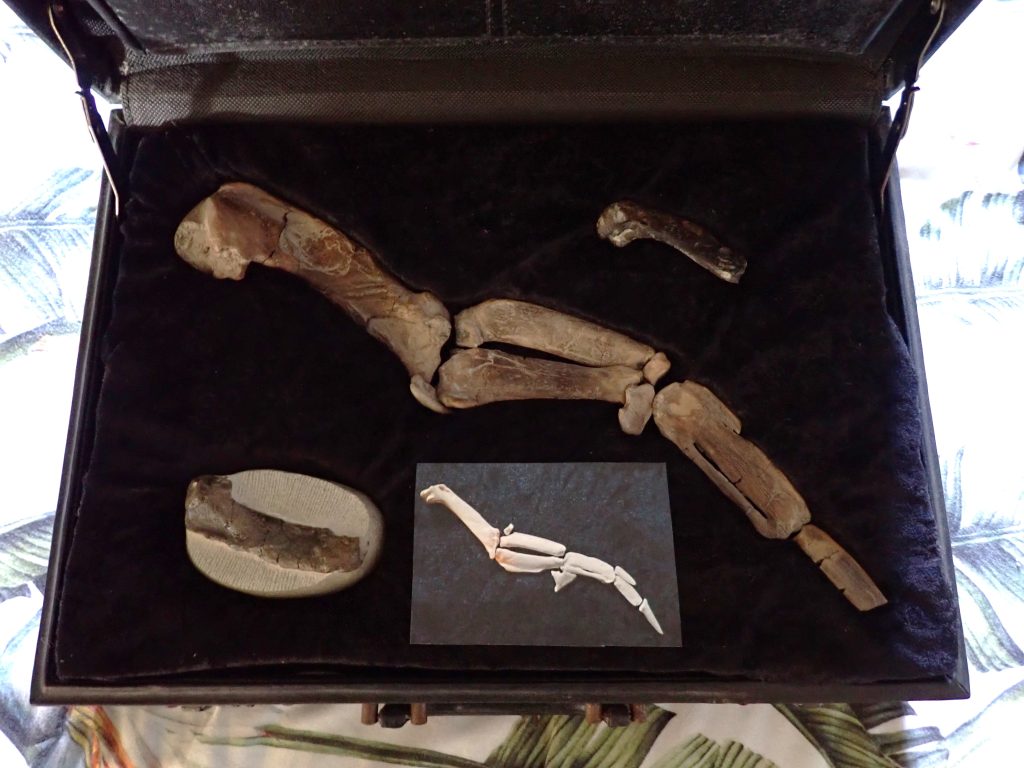
This fascinating and time-consuming hobby is contributing to the world's knowledge of earlier penguins and their distribution and evolution.
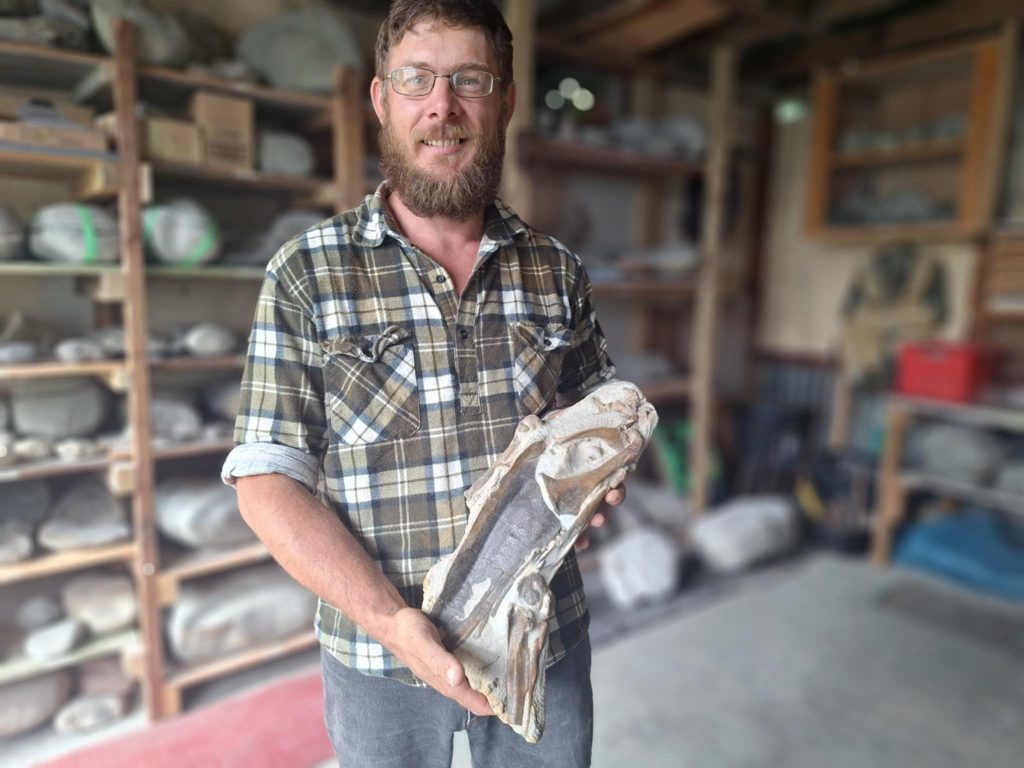
Harry explained about another fossil he has found near Rapahoe:
* Holotype: a single type specimen upon which the description and name of a new species is based."The flipper fossil is from a penguin related to the Pachydyptes ponderosus, and is around 32-34 million years old, from the late Eocene. Pachydyptes is estimated to have been around 1.4 metres tall and weighing in at just under a hundred kilograms, the former heavyweight of the penguin world. Recent examination shows this is likely to be a new to science species, as there are certain differences between this specimen and the original Pachydyptes holotype*."
Authoritiy on penguins at Otago University and now Otago Museum, Marcus Richards, (former Department of Geology Paleontology Curator and now Collections Technician at the museum) has been collaborating with Harry, as has Alan Tennyson, Curator of Vertebrates at the Museum of New Zealand Te Papa Tongarewa. Alan Tennyson is a world expert on New Zealand's fossil penguins.
It seems that penguin fossils are not new on the West Coast. The first were found in 1869 in Woodpecker Bay, north of Punakaiki. There is a short note about this find on Te Ara here, including sketches of the fossilised penguin bones along with an outline of the equivalent bone of a Fiordland crested penguin or tawaki. The comparison shows how much bigger the ancient penguin was, perhaps twice as tall as the tawaki, which are 60cm tall.
Between Harry and his collaborators, at least six different types of fossil penguins have been identified from the West Coast.
The Kumimanu fossil penguin, found in North Otago, proves that some of the earliest penguins were much larger than even the emperor penguin today. The University of Otago has been leading this work and you can find some information about their work here. It seems that Kumimanu fordycei was the largest fossil penguin every discovered, estimated to weigh in at a huge 154kg! Another newly described species is Petradyptes stonehousei, which would haveweighed 50kg. When compared to our current West Coast penguins, they are colossal. Tawaki are around 4kg and kororā just 1kg.
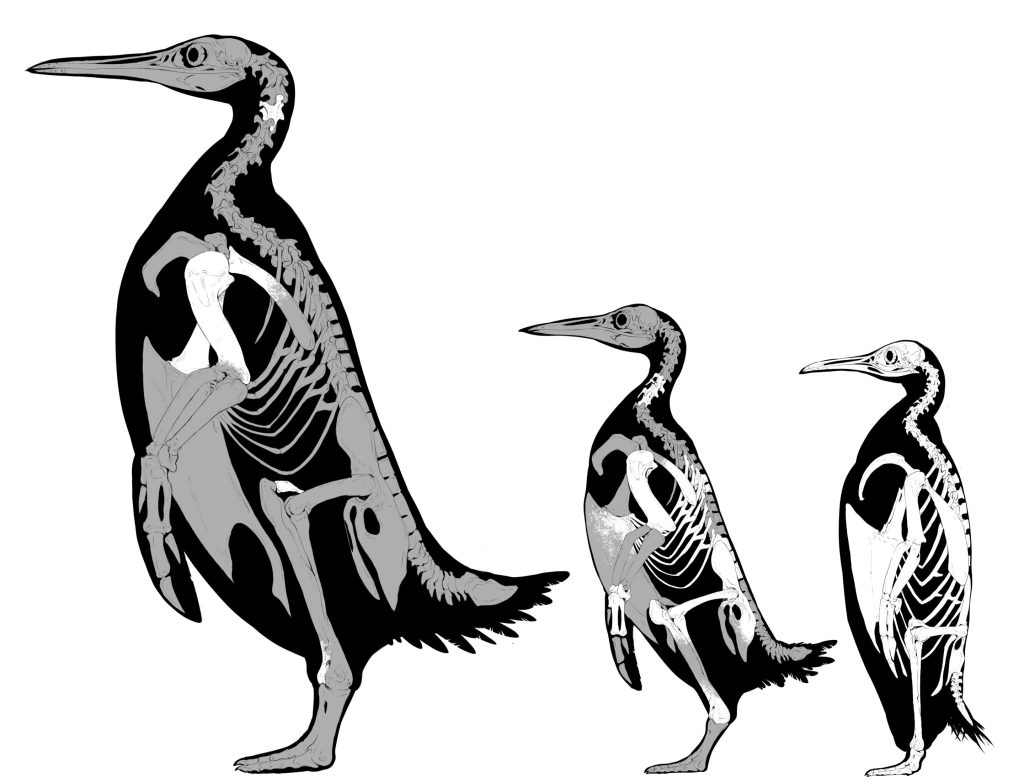
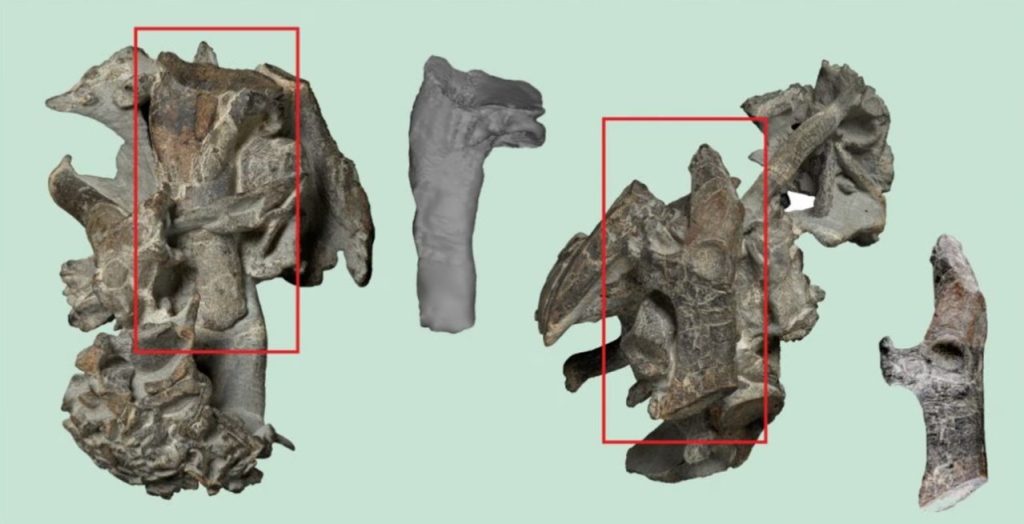
Photograph: Gerald Mayr/Senckenberg Research Institute (Guardian.com Dec 2017)

Media interest in kororā killed on the Coast Road
September 18, 2025
After four little penguins or kororā killed north of Greymouth
Media interest in kororā killed on the Coast Road

After four little penguins or kororā killed north of Greymouth
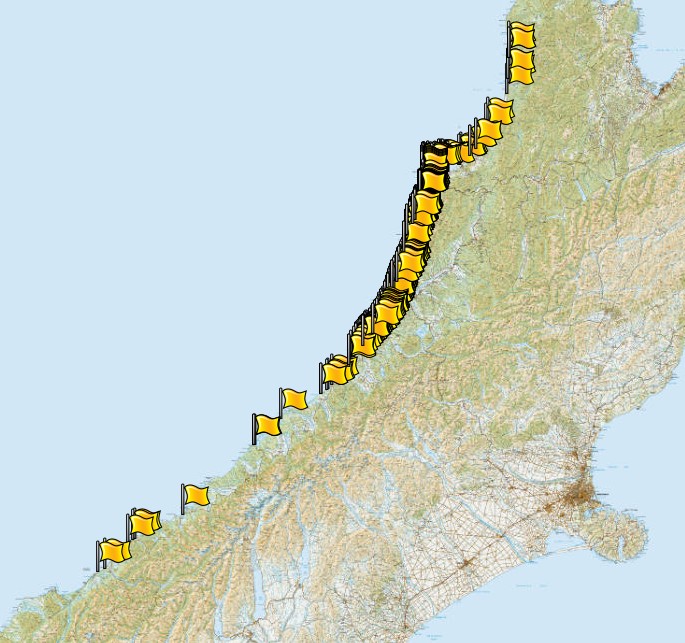
After four little penguins or kororā were killed in quick succession in recent weeks between Greymouth and Barrytown, media interest in the reasons why and what was being done on the West Coast was high. Looking at the kororā mortality records, no penguins had been killed in those areas, Thirteen Mile and Seventeen Mile north of Greymouth, since 2017. It seems likely that two pairs have decided to nest on the 'wrong' side of the road and all four birds have been tragically been killed at the start of the breeding season. Our thoughts immediately turned to the need for penguin protection fencing, but in fact there are few penguins in this area. West Coast little penguin mortality records show that one was killed at Seventeen mile in 2011, and one each at Fourteen Mile in 2011, 2014 and 2017, with three more killed a little further south in 2011, 2017 and 2020. With an invitation to speak on RNZ National Morning Report, trust manager Inger Perkins went over the mortality data and was able to illustrate the value of penguin fences where they have been constructed. Penguin fences at and north of Punakaiki as well as on the north side of Hokitika have reduced the little penguin death toll on the roads from 21 a year to 6 a year. Our current concern is for the Fox River area further north, although fencing there will be very challenging.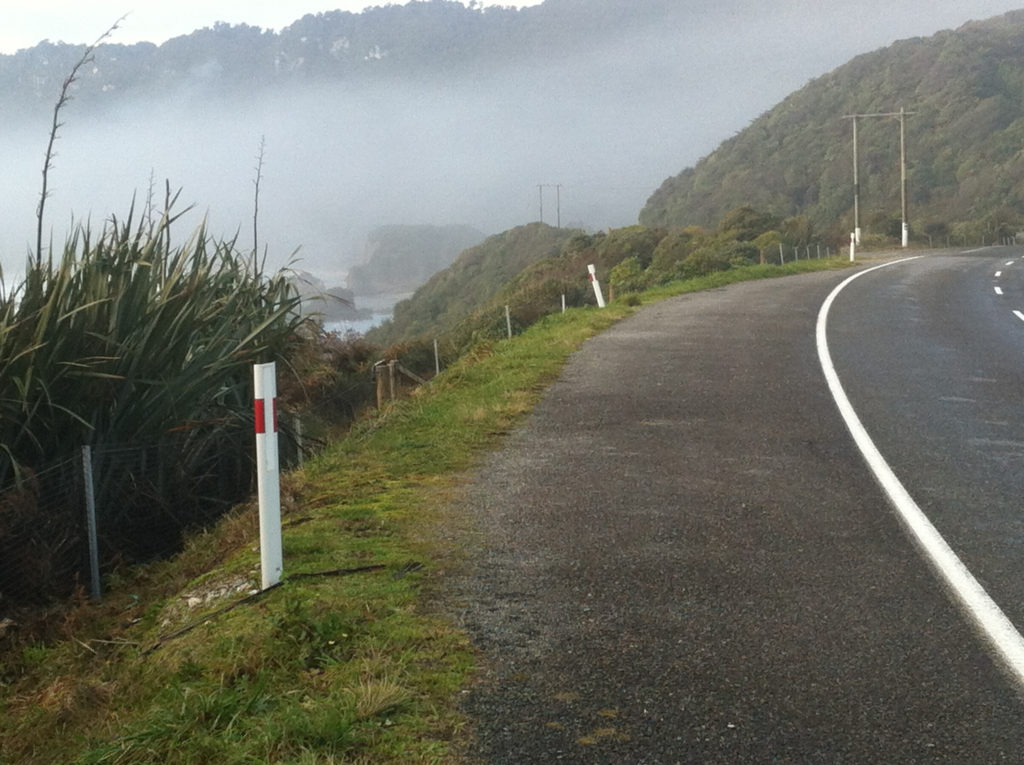
Remembering to say thank you
September 17, 2025
In the constant hustle of work, it can be easy to overlook saying thank you
Remembering to say thank you

In the constant hustle of work, it can be easy to overlook saying thank you
September 2025
In the constant hustle of grant applications, project implementation, and reporting, it can be easy to overlook the simple yet important gesture of expressing gratitude to the organisations that provide funding. The process can become so focused on getting the work done, all the essential behind the scenes efforts, meeting deadlines, and fulfilling requirements that sometimes it’s easy to forget to thank those organisations. Behind the financial support, there are real people who have taken time to read our applications, listened to our appeals, and who believe in the work we are doing.
So we would like to say a huge and heartfelt thank you to some organisations and their teams who have provided encouragement, funding and been flexible with grants, perhaps extending timeframes if needs be.
The organisations listed with their websites linked to their logos are investing in our work because they believe in our vision, that sea and shore birds, and their habitat across the West Coast Te Tai Poutini, are healthy and thriving, and our mission to make that vision a reality. Their support and their contribution is making a very real difference in keeping our research, our education, our awareness and our advocacy work going.







Talking to zookeepers from around the world
September 17, 2025
From small beginnings to National Advocacy: Protecting New Zealand’s threatened Sea Birds
Talking to zookeepers from around the world

From small beginnings to National Advocacy: Protecting New Zealand’s threatened Sea Birds
September 2025 Back in February, the International Congress of Zookeepers (ICZ), held their triennial congress in Wellington. Te Nukuao Wellington Zoo Chief Executive, Karen Fifield MNZM, has been President of the World Association of Zoos and Aquariums (WAZA) for the past two years and was instrumental in bringing the ICZ Congress to Wellington. The West Coast Penguin Trust has been honoured to be a Conservation Partner of Te Nukuao Wellington Zoo for over eight years. It was a further honour when manager, Inger Perkins, was invited to be a speaker at the ICZ Congress. The title of the conference was "Me tiaki, kia ora! We must look after our environment so all life will flourish", which was fitted perfectly with the trust's work. From small beginnings to National Advocacy: Protecting New Zealand’s threatened Sea Birds
Speaking on Valentine's Day, Inger introduced the trust's love for penguins, its history and its work with a special focus on the two West Coast penguins and the Westland petrel. Congress participants were able to see the little penguin or kororā in the 'meet the locals' section of Te Nukuao Wellington Zoo. She acknowledged the invaluable and much valued relationship with the Wellington Zoo Trust, Te Nukuao Tūroa o Te Whanganui a Tara.
From small beginnings to National Advocacy: Protecting New Zealand’s threatened Sea Birds
Speaking on Valentine's Day, Inger introduced the trust's love for penguins, its history and its work with a special focus on the two West Coast penguins and the Westland petrel. Congress participants were able to see the little penguin or kororā in the 'meet the locals' section of Te Nukuao Wellington Zoo. She acknowledged the invaluable and much valued relationship with the Wellington Zoo Trust, Te Nukuao Tūroa o Te Whanganui a Tara.
"I wanted to emphasise the value of that partnership and to encourage zoos around the world to connect to and support community conservation organisations like ours. In addition, I demonstrated that zoos can play an important role in awareness of conservation issues to their visitors, especially where there may be opportunities to encourage changed behaviours that will result in better outcomes for threatened species. Such actions may be keeping dogs safe and secure at home where home is close to those species. Actions could be broader such as minimising the risk of plastic entering our oceans. And of course, securing funding and donations is a constant!"Using a classic Dr Seuss quote, Inger appealed to the zookeepers to find a way to get visitors to care "a whole awful lot". Having studied Conservation Psychology, she explained that it is "is the study of reciprocal relationships between humans and the rest of nature with a particular focus on how to encourage conservation of the natural world".
 The opportunity for zoos and aquaria to motivate conservation is huge and Inger had seen this done brilliantly while travelling in the US throughout the Monterey Aquarium.
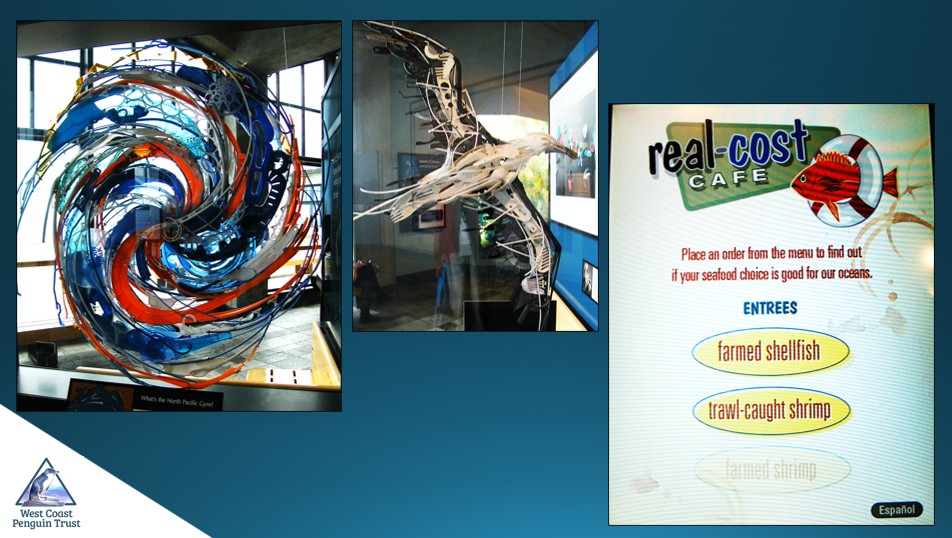
"There was an interactive pretend real cost café with video responses to your food choices explaining the impact on the environment and better choices, incredible art works made from litter and messaging encouraging readers to help keep plastic out of the sea, to choose ocean-safe products, and illustrating how the aquarium walks the talk."
The opportunity for zoos and aquaria to motivate conservation is huge and Inger had seen this done brilliantly while travelling in the US throughout the Monterey Aquarium.
"There was an interactive pretend real cost café with video responses to your food choices explaining the impact on the environment and better choices, incredible art works made from litter and messaging encouraging readers to help keep plastic out of the sea, to choose ocean-safe products, and illustrating how the aquarium walks the talk."
 Te Nukuao Wellington Zoo also works hard to raise awareness of issues and encourage responsible behaviours, whether relating to managing waste or dog ownership, including their 'Save our kororā - Take the lead' campaign.
The support from the ICZ to include Inger at the conference to share the trust's story and encourage zookeepers to take on this awareness role was very much appreciated. The ICZ also raised donations for the trust's work through the registration process, which was a wonderful surprise.
Te Nukuao Wellington Zoo also works hard to raise awareness of issues and encourage responsible behaviours, whether relating to managing waste or dog ownership, including their 'Save our kororā - Take the lead' campaign.
The support from the ICZ to include Inger at the conference to share the trust's story and encourage zookeepers to take on this awareness role was very much appreciated. The ICZ also raised donations for the trust's work through the registration process, which was a wonderful surprise.

Penguin detection dog Miro in action on the Coast
September 17, 2025
Penguin detection dog Miro in action on the Coast
Penguin detection dog Miro in action on the Coast
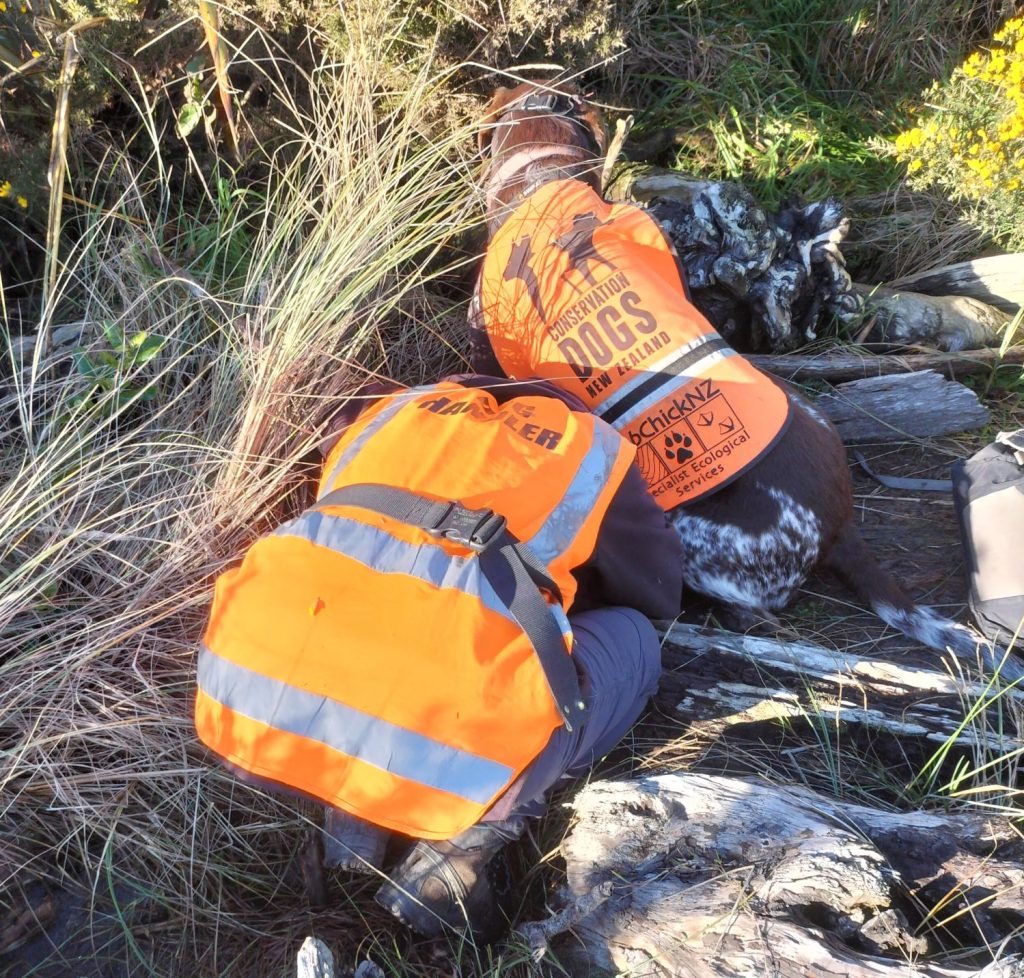
Penguin detection dog Miro in action on the Coast
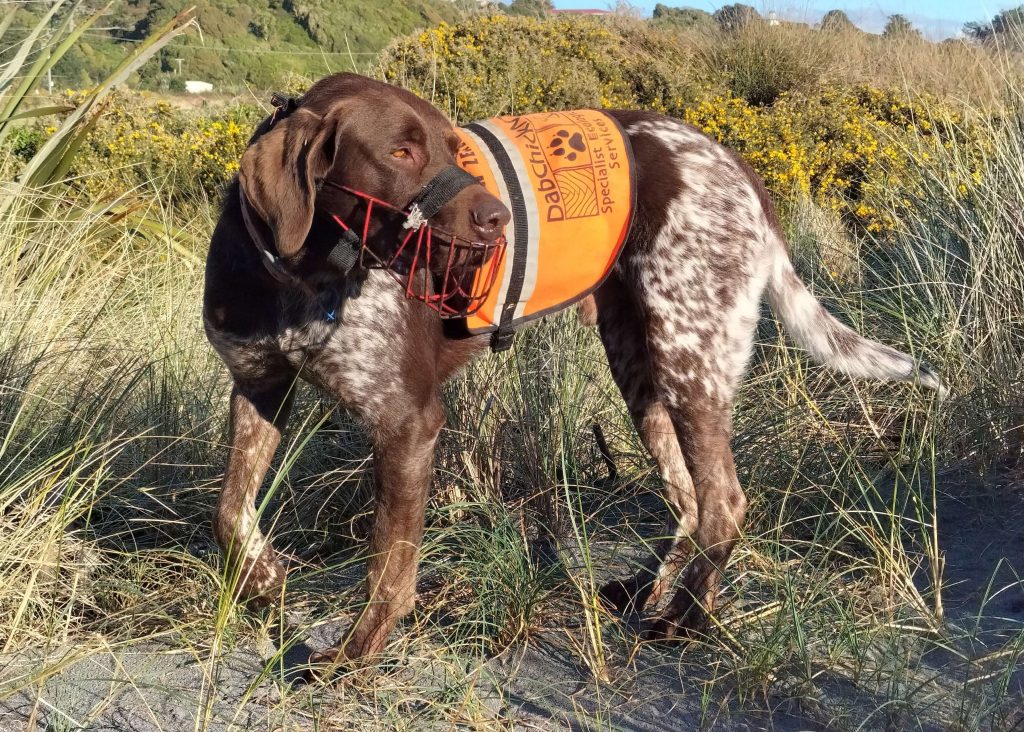
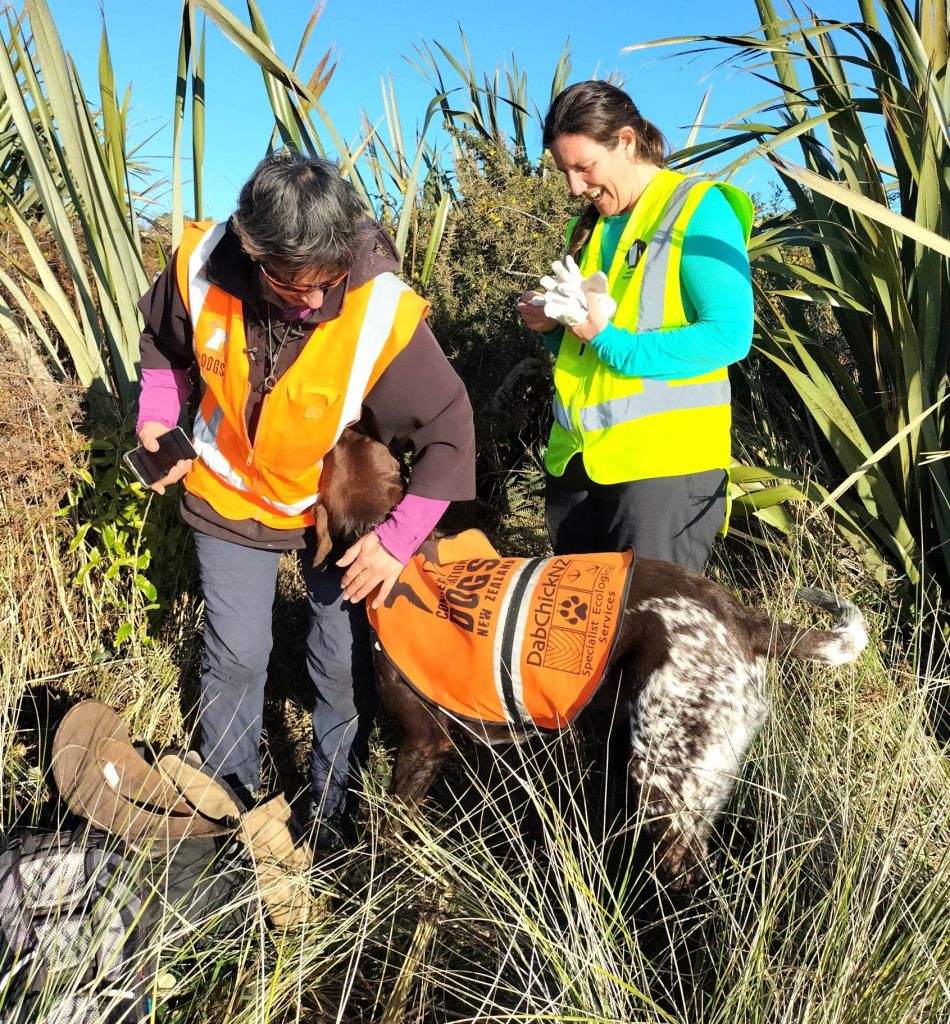
September 2025 Conservation dog handler Joanna Sim was on the Coast recently with her dog Miro. They were here to search for penguins in coastal areas at the request of current and potential mining operations as part of resource consent processes. While Jo and Miro were here, we were fortunate that they could fit in some survey work for the Trust at Cape Foulwind, Punakaiki and Hokitika. Ranger Lucy Waller and Manager Inger Perkins were privileged to join them both while searching on the coast side of the Westland Milk Products Penguin Protection Fence at Hokitika.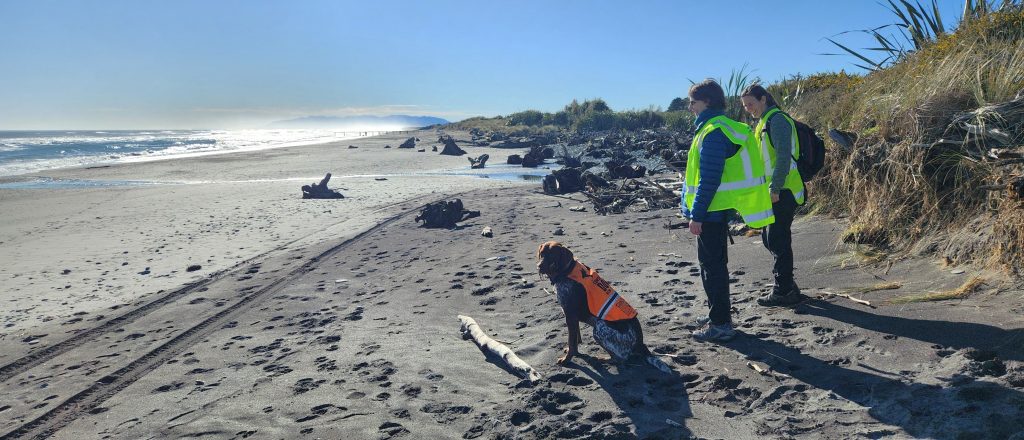
WCPT Annual Report shows progress and resilience
September 16, 2025
WCPT Annual Report shows progress and resilience
WCPT Annual Report shows progress and resilience
WCPT Annual Report shows progress and resilience
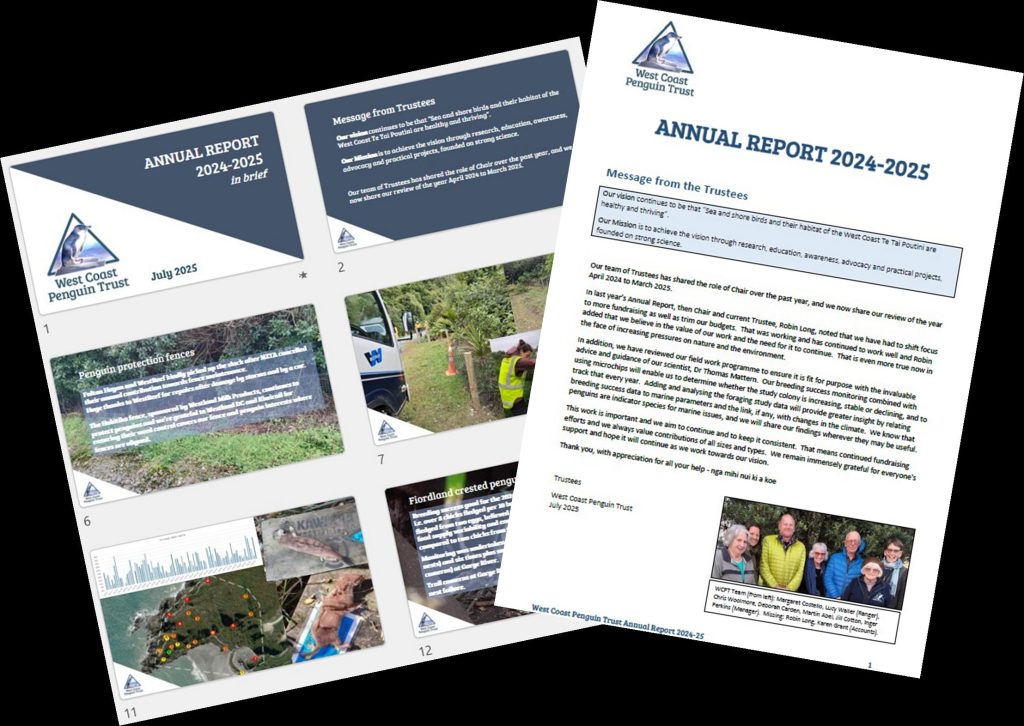
September 2025 This year, the West Coast Penguin Trust has released both a colourful summary and the usual Annual Report for 2024-25. They are full of news about the trust's projects, from field work to fundraising, foraging to fencing, and covering research, education, awareness and advocacy. Our Vision remains "Sea and shore birds and their habitat of the West Coast Te Tai Poutini are healthy and thriving" and we have reviewed our field work programme to ensure it is fit for purpose and this vision. Combining and analysing our breeding success data with information about individual penguins through microchipping and then adding foraging study results gives us greater insight and understanding of the little penguins / kororā at the study site in Camerons, Greymouth. These findings will be related to marine parameters including sea surface temperature and nutrient availability, and potentially to our changing climate. We believe this work is important and lies at the heart of the trust's operation. From there, our findings feed into the other areas of the trust's work. Find out more and the key features of our work during the year to March 2025 in our annual report. 2024-25 West Coast Penguin Trust Annual Report 2024-25 WCPT Summary Annual Report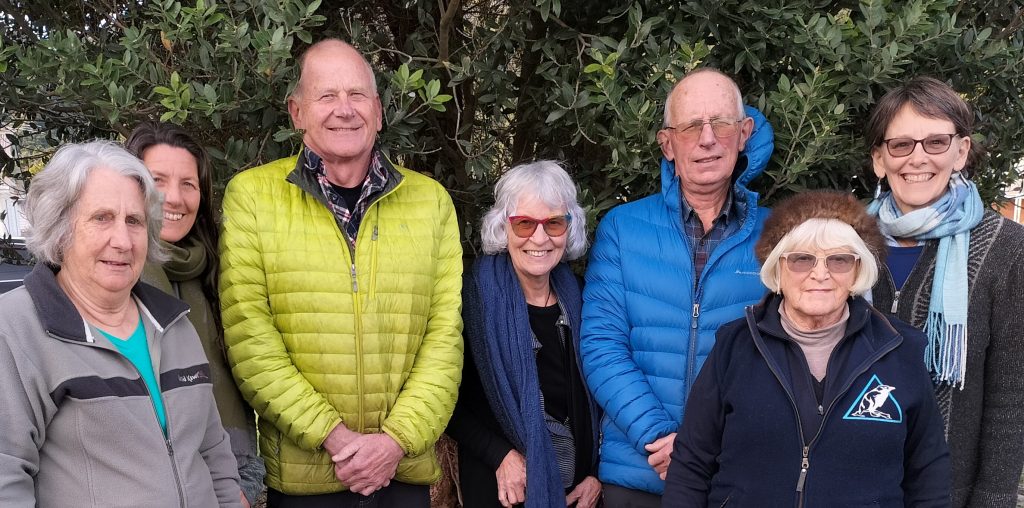
Keeping dogs safe to keep penguins safe
Keeping dogs safe to keep penguins safe
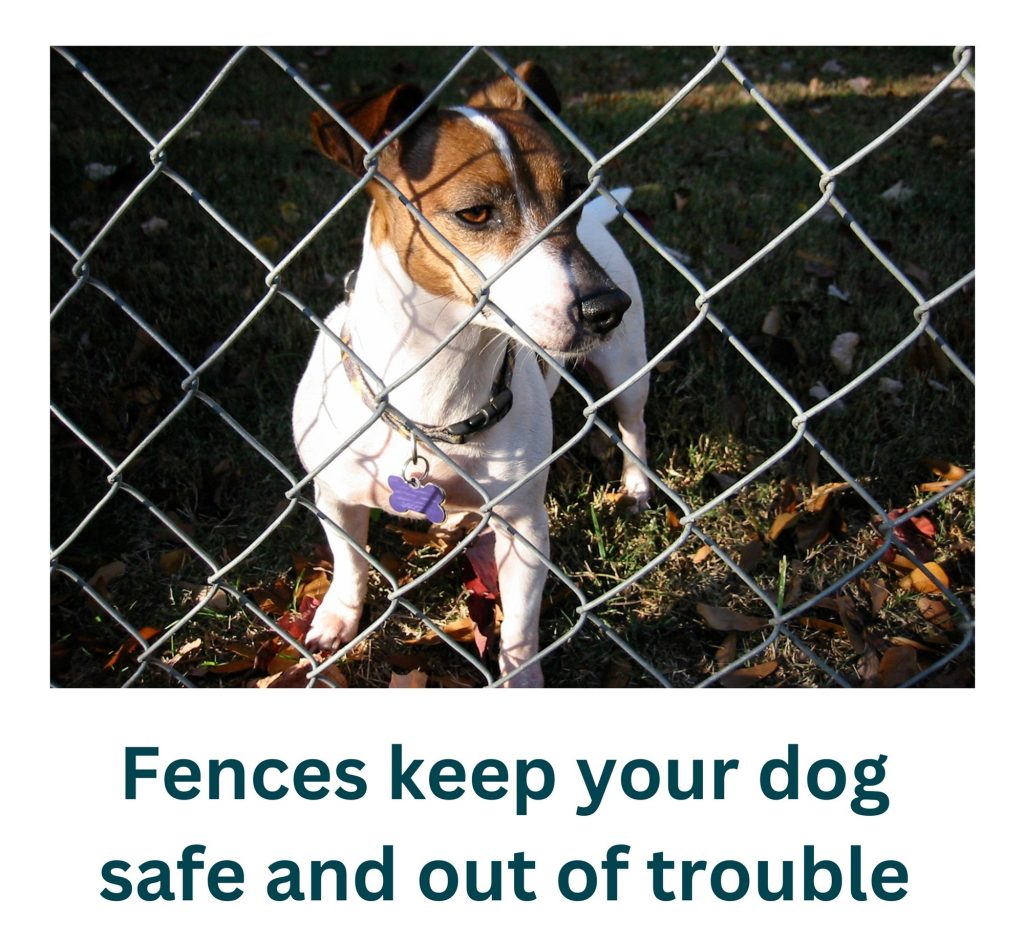
Conservation psychology is the study of how human behavior influences and is influenced by the natural environment. The goal is to promote sustainable practices and foster a positive relationship between humans and nature. Social science research tells us that awareness of an issue rarely results in behaviour change. So we need a new approach to our sadly repetitive messages that encourage close control of dogs. With the help of animal control officers at Buller, Grey and Westland District Councils, we are sharing a new flier in the coming weeks, during and beyond the next dog registration process. Four times over the past 12 years or so, we have been fortunate to include a flier with dog registration notices. There is a gradual shift to electronic notices so things are changing but we hope dog owners will see this new message. This time, instead of making it all about the penguins, we're making it all about the dog. What is most important to a dog owner - their dog or a penguin? Easy - it's their dog! Dogs are at risk from a variety of directions when they escape from their home and yard. It could be traffic, it could be poisons, it could be other dogs or wildlife that may be aggressive, it could even be theft. There is a risk of a pound fee or even restrictions if a dog is deemed to be dangerous. This flier encourages dog owners to keep dogs safe and secure at home, safely out of trouble. It's hard to keep a property securely fenced with a determined pooch, but the benefit for the dog and the dog's family is enormous, (not to mention the penguins).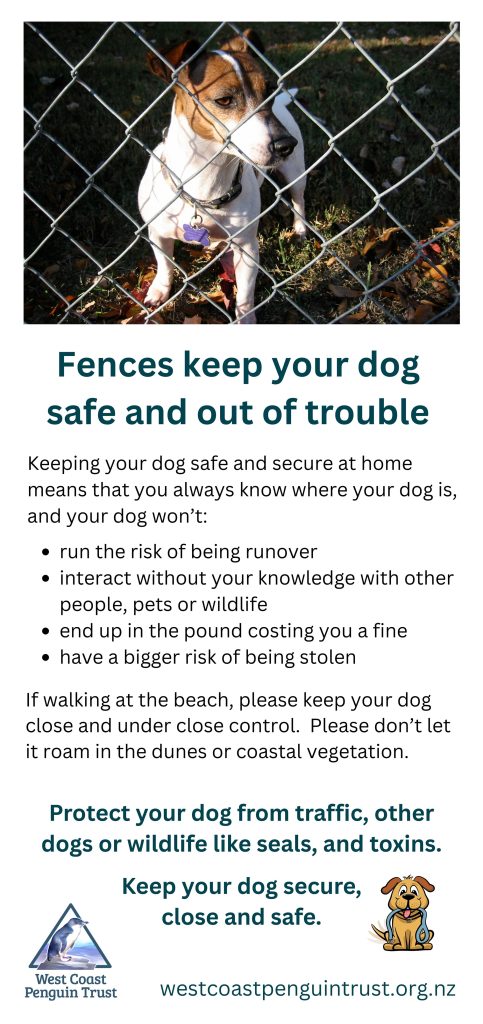
Penguin Talks in Hokitika – Wednesday 25th June
June 24, 2025
Penguin Talks in Hokitika - Wednesday 25th June
Penguin Talks in Hokitika – Wednesday 25th June

Penguin Talks in Hokitika - Wednesday 25th June
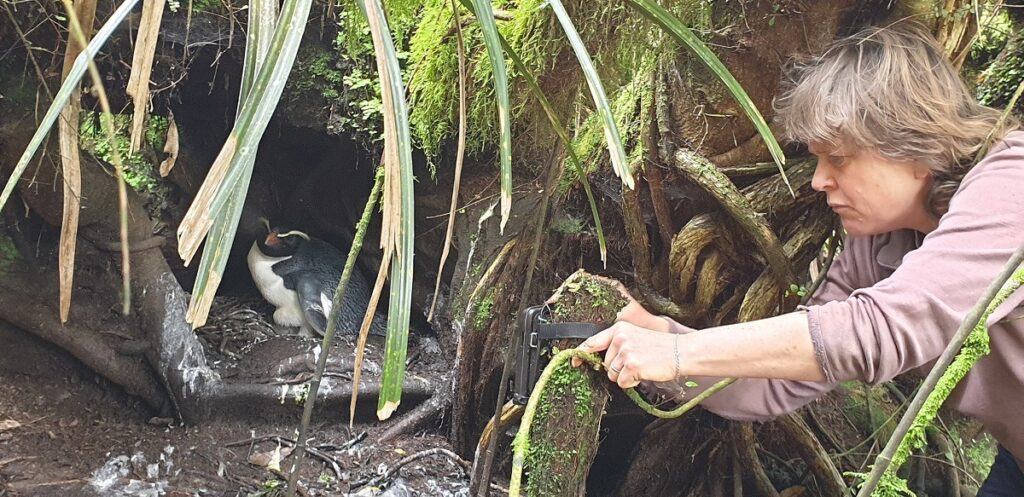
Penguin talks are back! 5.30pm, Wednesday 25th June, Westland District Library, Hokitika. After an introduction to the Trust and our work, Tawaki Ranger, Catherine Stewart will share video clips, photos and insights from 11 years of monitoring Fiordland crested penguins or tawaki in one of the remotest spots in New Zealand, Gorge River in deepest South Westland. Catherine presented her findings at the recent biennial Oamaru Penguin Symposium and has expanded the 15 minute presentation to share with anyone interested in these handsome and rarely seen penguins. Catherine's daughter, Robin Long, began the monitoring in 2014 and went on to become a Trustee and then Chair of the West Coast Penguin Trust. As she moved on to survey tawaki in other remote areas including Stewart Island Rakiura, complete a Diploma then Masters in wildlife studies, and travel overseas, Catherine took on the mantle of tawaki ranger. Installing and maintaining trail cameras and checking on the colony with minimal disturbance a few times during the season, we are learning more about tawaki. The intention of monitoring initially was to learn whether there was predation and if so by what. We have discovered so much more! Come along to the library in Hokitika to find out about these West Coast penguins.