Penguin ramps cut to help penguins reach their nests
August 18, 2021
With continued erosion and steep dune faces, Westland Milk Products came to the rescue to help blue penguins near Hokitika.
Penguin ramps cut to help penguins reach their nests

With continued erosion and steep dune faces, Westland Milk Products came to the rescue to help blue penguins near Hokitika.
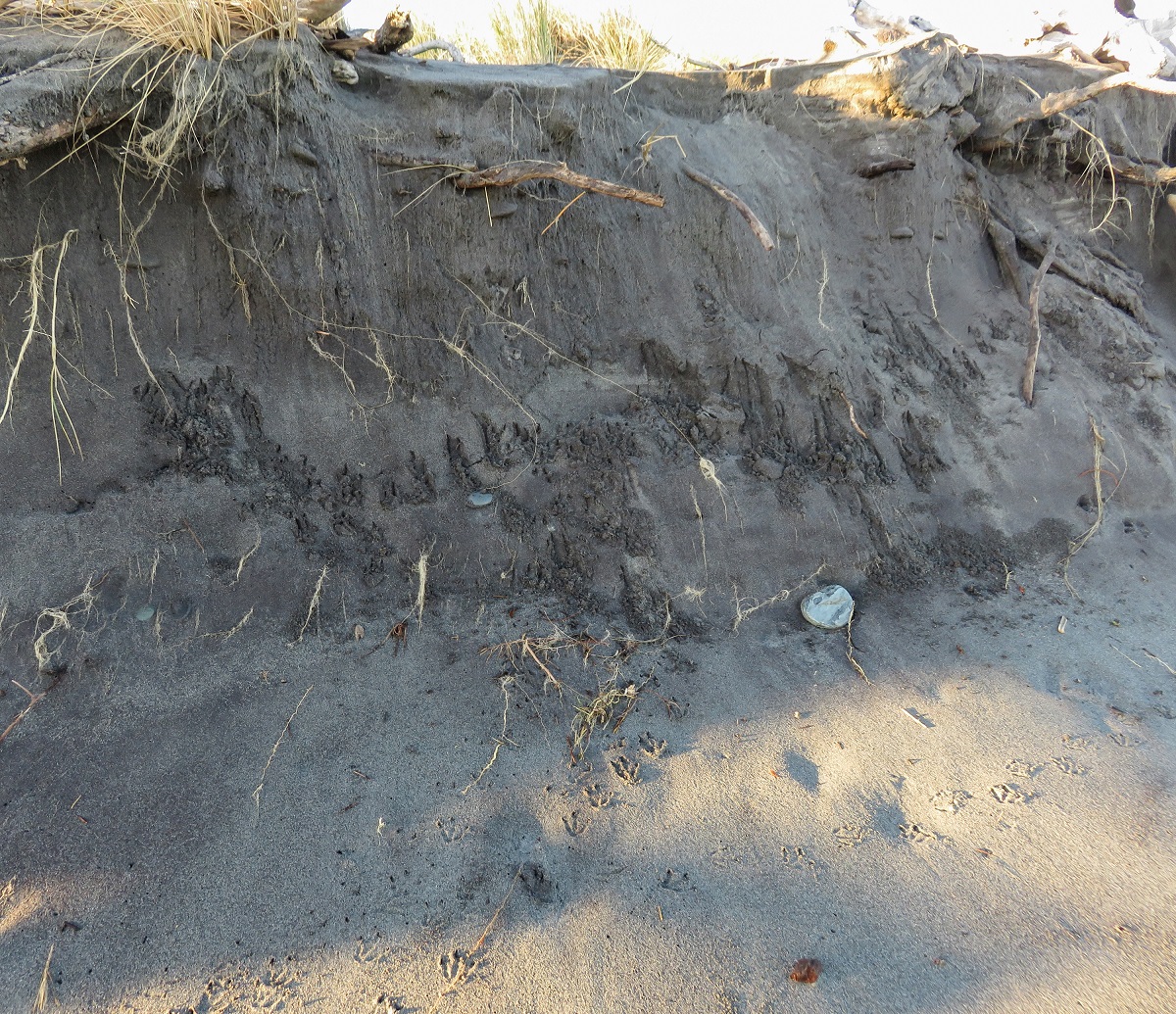
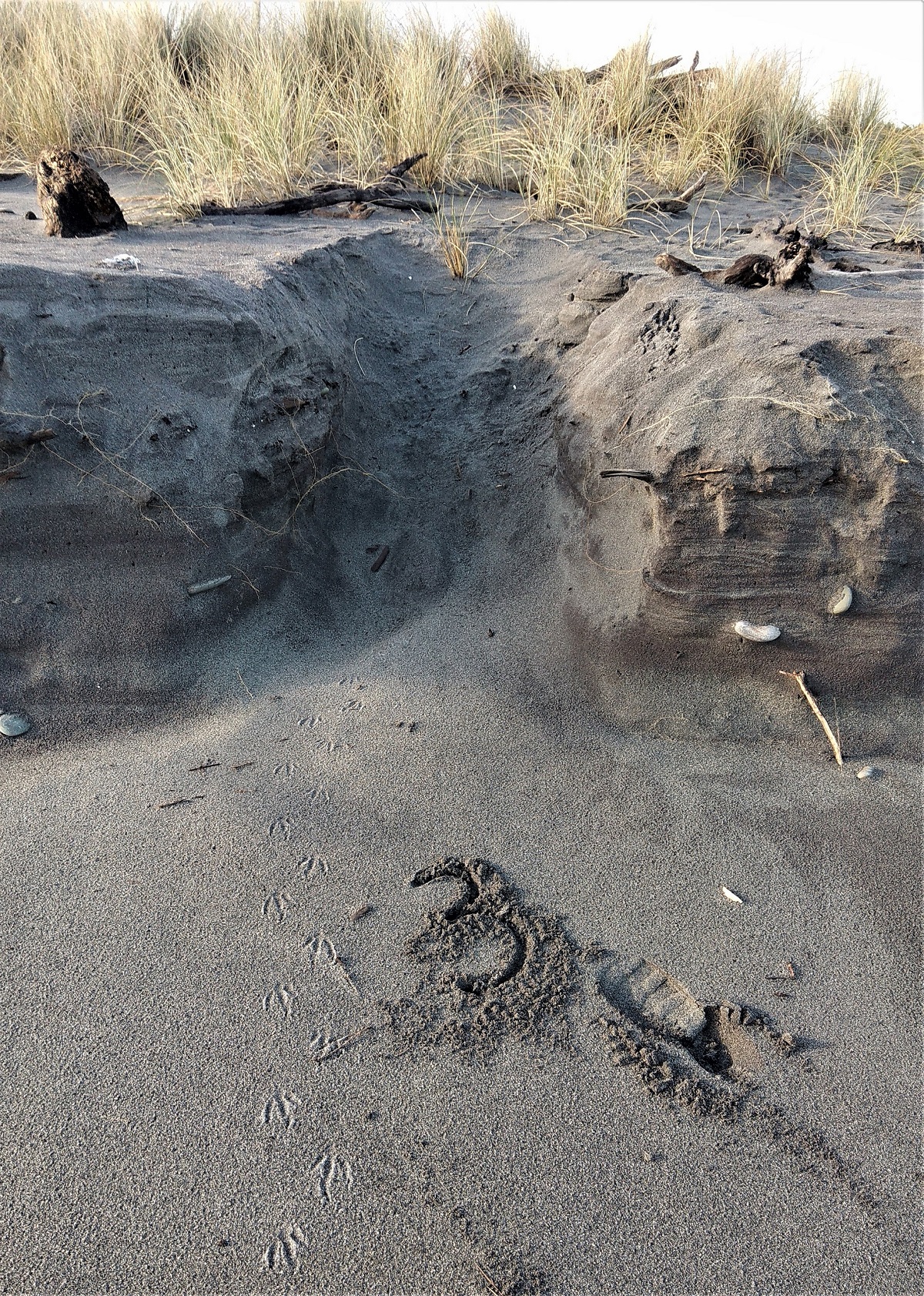
Coastal erosion north of Hokitika has left blue penguins or kororā struggling to get down to the beach and then back up to their nests after a hard day’s fishing. Last year, volunteers used spades to try to help but the ramps they cut were almost immediately lost when the next high waves hit the coast. This year, as the penguins are starting their breeding season and sitting on nests, Westland Milk Products came to the rescue. After Westland made sure penguins were safe in the area during the ocean outfall pipeline construction project and then afterwards with a penguin protection fence, it was a small step to ensure kororā could continue to reach their nests safely earlier this month.
2020 Tawaki season better than expected
June 29, 2021
2020 Tawaki season better than expected
| Site | Nests monitored | Chicks seen at nest – pre crèching | Breeding success to crèching | Predator / disturbers filmed | Predation events at nest | Predation at creche seen |
| Knight’s Point | 14 | 14 | 1 | Possum; rat | 0 | 0 |
| Jackson Head West | 25 | 22 | 0.88 | Possum; rat; deer; stoat | 0 | 0 |
| Gorge River | 24 | 20 | 0.83 | Possum; rat; deer | 0 | 0 |


Better year for blue penguins
June 29, 2021
Better year for blue penguins
| Site | Monitored Breeding burrows | Eggs laid | Chicks hatched | Chicks fledged | Chicks per breeding attempt | Breeding success | Failed breeding attempts |
| Rahui | 27 | 54 | 52 | 46 | 1.70 | 85.2 | 1 |
| Knoll | 27 | 54 | 48 | 36 | 1.33 | 66.7 | 3 |
| Site | Monitored breeding burrows | Eggs laid | Chicks seen | Breeding success | Failed breeding attempts |
| Foulwind | 4 | 8 | 5 | 62.5 | 0 |
| Whitehorse | 10 | 20 | 16 | 80.0 | 1 |
| Bullock Creek | 3 | 6 | 6 | 100 | 0 |
| Punakaiki River | 2 | 4 | 4 | 100 | 0 |


ANZ Staff support penguin education programme
June 22, 2021
ANZ Staff support penguin education programme


Invaluable Oamaru Penguin Symposium
June 22, 2021
Invaluable Oamaru Penguin Symposium

How do penguins find their way home?
June 22, 2021
How do penguins find their way home?

With other birds it has been shown they can make use of magnetic fields, stars and the sun and, for petrels, smell - they may be able to smell their colony from several kilometres and even identify their own nest. However, those that are known to be able to use the stars can find their way on very cloudy days. My take is that birds are using multiple cues. Remember they see the world differently to us, most birds see into the UV so they may be using cues invisible to us.
You can read more about the Cry4 protein here.
Honours for penguin conservationists
June 21, 2021
Honours for penguin conservationists
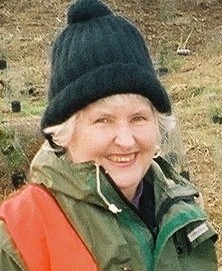 Lala Frazer
Shireen and Francis Helps of Pohatu Penguins at Flea Bay on Banks Peninsula have perhaps done more to protect little penguins than any other individuals. Their efforts to protect the penguins on their farm have been extraordinary and they now host perhaps the largest mainland colony of little penguins in New Zealand. They were instrumental in having the Pohatu marine reserve gazetted and they have done a lot to promote penguin conservation elsewhere on Banks Peninsula.
The couple have both become members of the New Zealand Order of Merit for all the work they have done to protect penguins and enhance biodiversity on the Banks Peninsula.
Read the citation here and coverage in The Press here. Shireen and Francis said that it was nice recognition of what they had done over 40 years but also noted that it held meaning for the next generation, encouraging them to continue the work to protect penguins.
Lala Frazer
Shireen and Francis Helps of Pohatu Penguins at Flea Bay on Banks Peninsula have perhaps done more to protect little penguins than any other individuals. Their efforts to protect the penguins on their farm have been extraordinary and they now host perhaps the largest mainland colony of little penguins in New Zealand. They were instrumental in having the Pohatu marine reserve gazetted and they have done a lot to promote penguin conservation elsewhere on Banks Peninsula.
The couple have both become members of the New Zealand Order of Merit for all the work they have done to protect penguins and enhance biodiversity on the Banks Peninsula.
Read the citation here and coverage in The Press here. Shireen and Francis said that it was nice recognition of what they had done over 40 years but also noted that it held meaning for the next generation, encouraging them to continue the work to protect penguins.
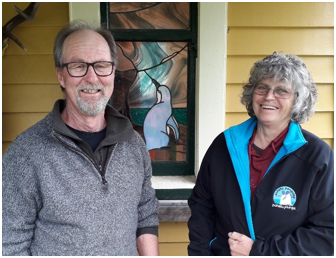 Shireen and Francis Helps
Hoani Langsbury, who, among his many roles - including Manager of Operations at the Royal Albatross Centre, Taiaroa Head, and Trustee of the Yellow-eyed Penguin Trust - has played a major role in establishing the highly successful little penguin viewing at Pilots Beach - Blue Penguins Pukekura. Penguins are thriving there and numbers continue to grow.
Mr Langsbury becomes a Member of the New Zealand Order of Merit for services to conservation.
Read the citation here and coverage in the ODT here. He said ""I wouldn’t be doing it if I wasn’t passionate about it."
Shireen and Francis Helps
Hoani Langsbury, who, among his many roles - including Manager of Operations at the Royal Albatross Centre, Taiaroa Head, and Trustee of the Yellow-eyed Penguin Trust - has played a major role in establishing the highly successful little penguin viewing at Pilots Beach - Blue Penguins Pukekura. Penguins are thriving there and numbers continue to grow.
Mr Langsbury becomes a Member of the New Zealand Order of Merit for services to conservation.
Read the citation here and coverage in the ODT here. He said ""I wouldn’t be doing it if I wasn’t passionate about it."
 Hoani Langsbury
Taiko festival 7-8 May: something wonderful for everyone


New fence protects penguins in Hokitika
May 4, 2021
Work starts on new penguin protection fence in Hokitika
New fence protects penguins in Hokitika

Work starts on new penguin protection fence in Hokitika
The biggest killer of blue penguins on the West Coast is vehicles on coast roads and that includes a section of the highway north of Hokitika. Six penguins have been killed on the road in recent years around the Houhou Creek bridge and sewage ponds but penguins in the area will soon be spared this risk. While Westland Milk Products (WMP) developed the plan to install a pipeline at 2 mile, they started learning about penguins, many of which were nesting between the beach and the paddocks in that area. Chris Pullen, Environmental Manager, explained. “When we first went to look at the site with the West Coast Penguin Trust, we walked out onto the dunes and there were penguin tracks everywhere. Clearly, we had to ensure we didn’t disturb them through this major construction project and in fact we wanted to do more than that and actively protect them. A penguin protection fence was an obvious solution, and we will also be restoring part of the site with penguins and possible nest sites in mind.” Trust Manager, Inger Perkins, added: “Blue penguins, at around 30cm tall, are vulnerable to so many threats. Here on the coast, vehicles are the number one threat and keeping penguins off the road with our penguin protection fence north of Punakaiki has meant no more penguins killed in that area. This new fence, entirely and generously funded by Westland Milk Products, will be preventing penguins being killed on the road. As a result, more penguins will survive because, if a breeding adult is killed, the nest – two eggs or chicks – will fail, and subsequent potential generations lost.” Local fencer, John Steele, has been contracted by WMP to do the work, which is one of his more challenging and unusual projects. Work began recently and will include fencing under the Houhou Creek bridges as well as some ‘escape hatches’ to ensure that if a penguin finds itself on the wrong side of the fence, it can get back towards the sea. Gates within the fence will have gaps filled to ensure these smallest of penguins cannot sneak through or under them.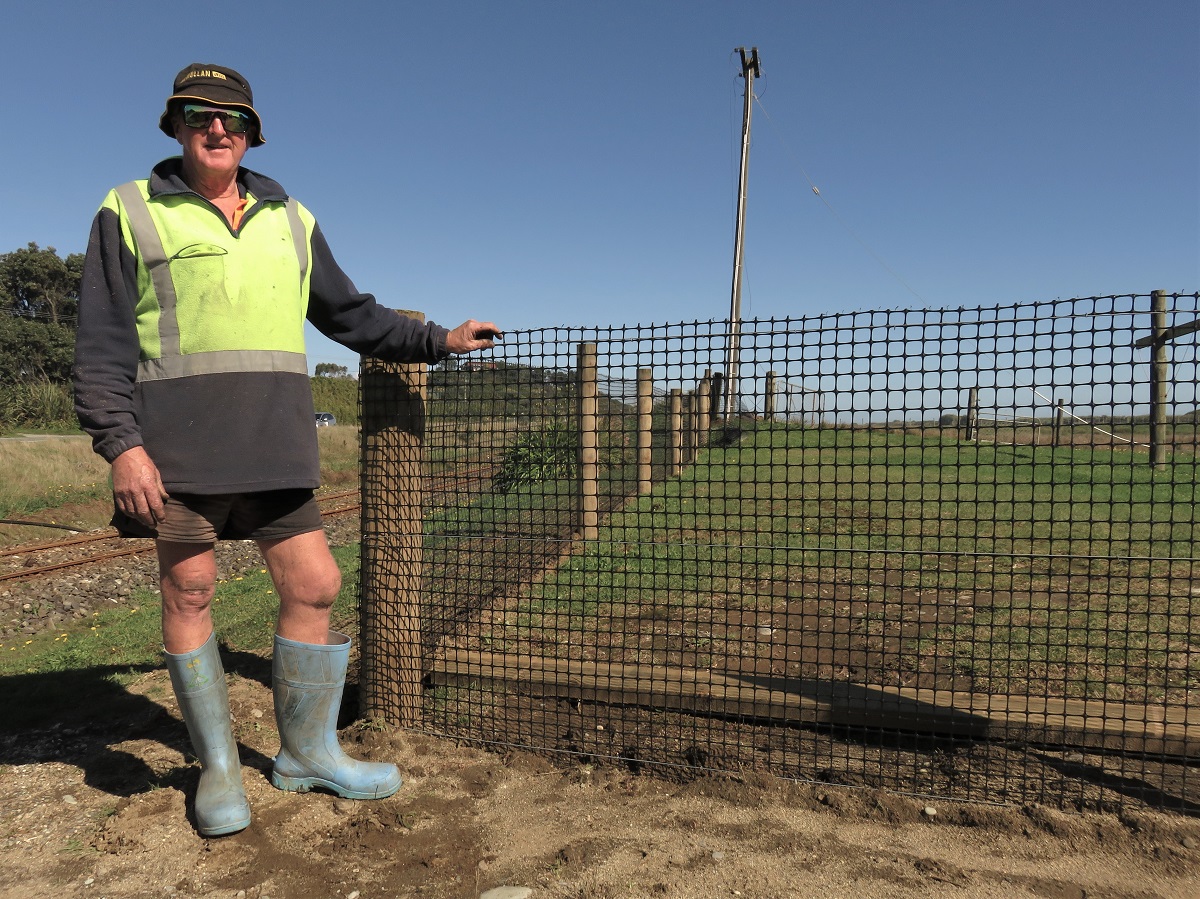
 Penguin protection fence sign
World Albatross Day, 19 June 2021: “Ensuring Albatross-Friendly Fisheries”
April 28, 2021
Following last year’s successful inauguration of World Albatross Day on 19 June, ACAP has adopted the theme “Ensuring Albatross-friendly Fisheries” to mark the day this year.
World Albatross Day, 19 June 2021: “Ensuring Albatross-Friendly Fisheries”
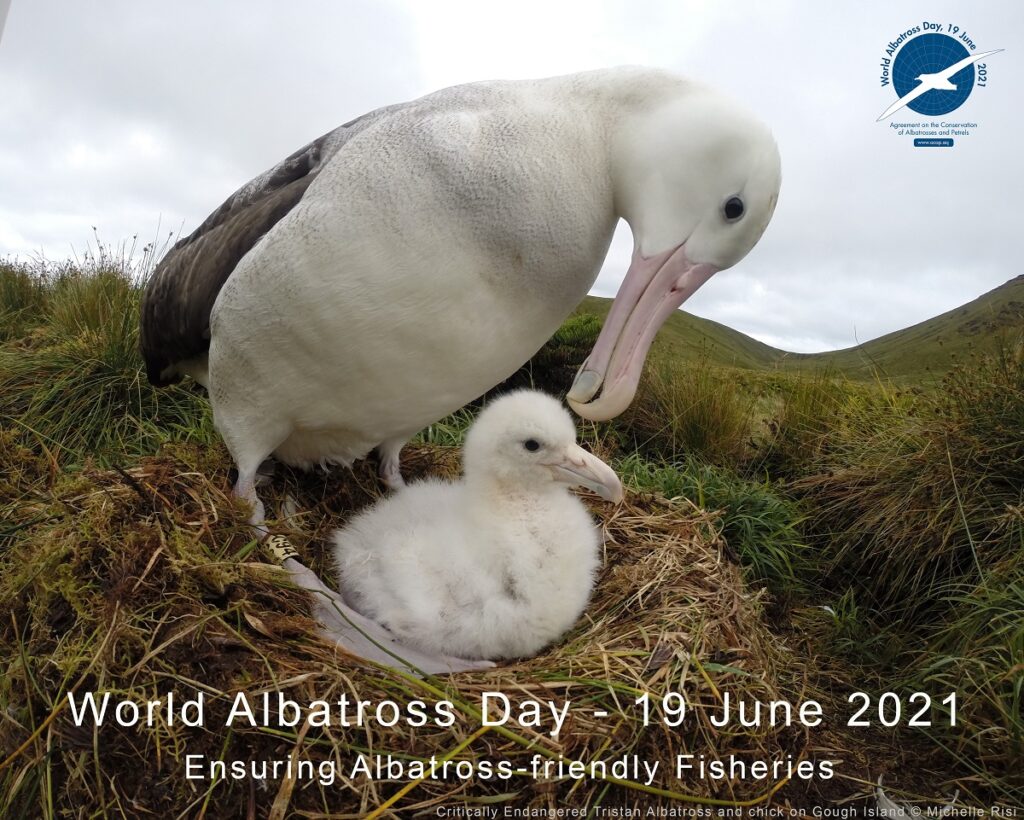
Following last year’s successful inauguration of World Albatross Day on 19 June, ACAP has adopted the theme “Ensuring Albatross-friendly Fisheries” to mark the day this year.
Join with us in acknowledging World Albatross Day this year and take action to protect these magnificent birds.
Following on from last year’s World Albatross Day theme of “Eradicating Island Pests”, ACAP’s (Agreement on the Conservation of Albatrosses and Petrels) chosen theme for 2021 is “Ensuring Albatross-friendly Fisheries”.
It is a well known and appalling fact that many thousands of albatrosses and petrels are dying every year as a result of fishing operations. This was the main driving force for the establishment of ACAP two decades ago and addressing this continuing conservation problem remains an important part of ACAP’s ongoing work.
Solutions are available to address this conservation crisis. This year’s World Albatross Day, celebrated on 19 June, aims both to draw attention to the problem and to highlight best-practice solutions, such as the use of bird-scaring lines in both longline and trawl fisheries, line weighting and night setting or use of hook-shielding devices by longliners and management of offal discharge by trawlers. New Zealand is a party to the Agreement on the Conservation of Albatrosses and Petrels (ACAP) and we know some measures are in place to prevent any harm to these seabirds, but there's always room for improvement while any birds are dying - through injury or drowning. You can help when you choose the fish you buy - at the supermarket, at fish and chip shops and at restaurants. Find Forest & Bird's best fish guide here.Did you know that there exist 22 albatross species in the World? And that they can fly 16,000 kms without returning to land? These spectacular birds are being recognised globally for one day. In support of World Albatross Day ACAP intends to highlight one or more of the 22 albatross species each year with posters and other artworks. The featured species chosen for 2021 are the two most threatened albatrosses, both categorized by IUCN as Critically Endangered (defined as facing an extremely high risk of extinction in the wild). The two Critically Endangered albatrosses, the Tristan of Gough Island and the Waved from the Galapagos, have been chosen to serve as ‘feature species’ to draw attention to the continuing threats all the world’s species of albatrosses face at sea from fisheries.
It is hoped that as many organizations, schools, Trusts, members of the public will be able to use the resources created by ACAP to support their own celebrations of World Albatross Day as 19 June approaches – and on the day itself. They may all be found in the World Albatross Day section on the ACAP website (www.acap.aq), accessible from the home page. Please contact ACAP’s Information Officer if you have any difficulty finding or downloading any of the items mentioned.ACAP has produced a series of posters depicting the two species which can be freely downloaded from its website. Two infographics have also been produced which aim to highlight the threats the two species face in an informative and readily understandable way. Also available are two-page attractively illustrated species summaries for all the albatrosses that are aimed for school learners and teachers, and the general public, being written in non-technical language. And a quiz and word scramble.
Did you know that the oldest known wild bird in the world is a 69-year old Laysan Albatross? Find out some more facts about this fascinating bird by taking ACAP's quiz.Join with us to celebrate World Albatross Day June 19th!