Little blue penguins killed as uncontrolled dogs attack burrows
November 20, 2022
Five kororā little blue penguins have died in as many months in Nelson Tasman thanks to dog attacks on beaches, and weka have been injured.
The Department of Conservation is calling for dog owners to keep their pets under control to protect kororā during their breeding season, after the latest attack killed a parent looking after two chicks.
Little blue penguins killed as uncontrolled dogs attack burrows

Five kororā little blue penguins have died in as many months in Nelson Tasman thanks to dog attacks on beaches, and weka have been injured.
The Department of Conservation is calling for dog owners to keep their pets under control to protect kororā during their breeding season, after the latest attack killed a parent looking after two chicks.
 The survivors from a little blue kororā penguin family, after one adult was killed by dog attack. The two chicks would be unlikely to survive with a solo parent, so all three are being fed in captivity until they are able to be released into the wild.
Kawatiri Coastal Trail catches up with Inger about the new sections of the trail and what we need to know about penguins
November 20, 2022
Kawatiri Coastal Trail catches up with Inger about the new sections of the trail and what we need to know about penguins.
Kawatiri Coastal Trail catches up with Inger about the new sections of the trail and what we need to know about penguins
Kawatiri Coastal Trail catches up with Inger about the new sections of the trail and what we need to know about penguins.


Mena does her last tour of the West Coast with handler Alastair Judkins
November 20, 2022
Mena, currently the only penguin detection conservation dog in the South Island, and her handler Alastair Judkins from K.O.R.I (Kaikoura Ocean Research Institute), joined the West Coast Penguin Trust once again this September, for two weeks, to survey penguin nesting sites for us and they very kindly agreed to visit some schools with me too, on their way up the Coast.
Mena does her last tour of the West Coast with handler Alastair Judkins
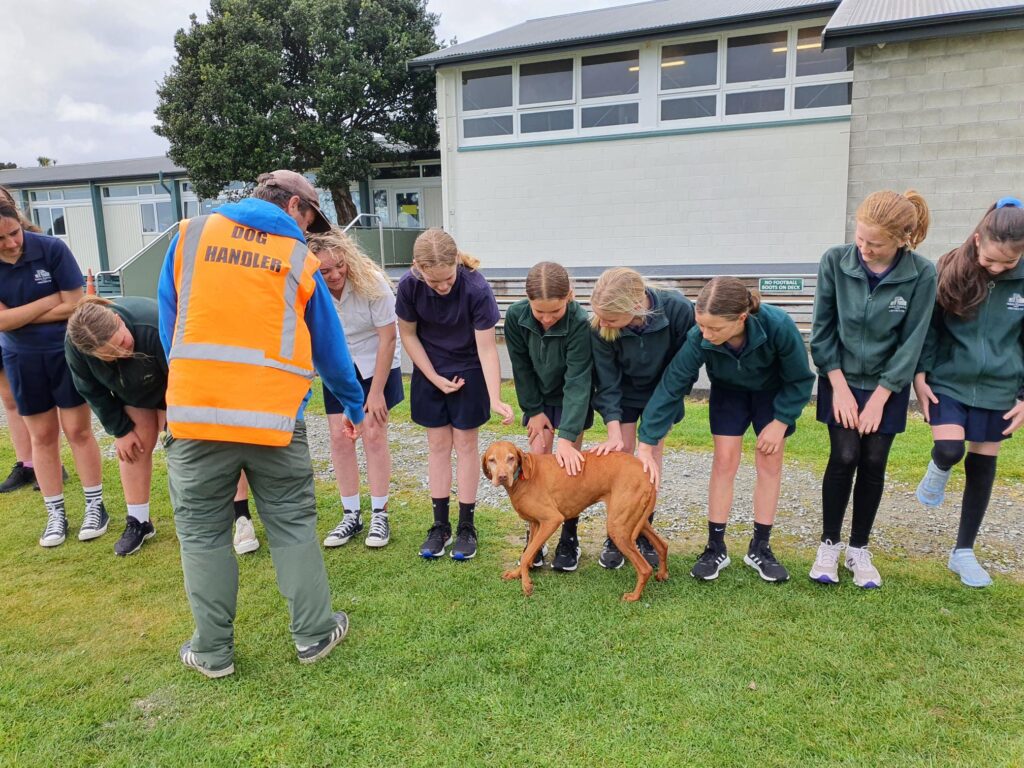
Mena, currently the only penguin detection conservation dog in the South Island, and her handler Alastair Judkins from K.O.R.I (Kaikoura Ocean Research Institute), joined the West Coast Penguin Trust once again this September, for two weeks, to survey penguin nesting sites for us and they very kindly agreed to visit some schools with me too, on their way up the Coast.
Mena, currently the only penguin detection conservation dog in the South Island, and her handler Alastair Judkins from K.O.R.I (Kaikoura Ocean Research Institute), joined the West Coast Penguin Trust once again this September, for two weeks, to survey penguin nesting sites for us. They also took the time to visit some lucky schools with me too. We are sorry we couldn't make it to all the schools unfortunately, but we hope in the future, we will make it to those who missed out. Mena and Alistair scoured the coastlines, forests and river mouths all up the West Coast trying to sniff out penguin sites for us. The West Coast Penguin Trust would like to confirm the penguin presence in certain areas and ideally an indication of numbers if possible too. This included Wanganui River area in Hari Hari, north of Hokitika, Barrytown and Punakaiki area and along the penguin protection fence north of Punakaiki, Charleston area, Westport, Carters Beach, Tauranga Bay/Cape Foulwind and Granity. We carry out the Great Annual Blue Penguin Count each year in October, where any members of the public, schools, local communities can join in counting and noting tracks and observations for us. We also monitor certain sites ourselves with observations and burrow scoping. However, what takes us hours to do, Mena takes minutes often. She knows, when her muzzle is on, that she’s on duty. She’ll seek out a whiff of penguin and then track it down. When she has found the source, she’ll sit down and await further instructions. Alastair will get her to sit and stay on a small blanket while he investigates further and records the finding. Knowing where penguins are nesting is invaluable when development is planned and we are also keen to have a measure of penguins protected by the penguin fences we currently have in Hokitika and Punakaiki, which we are confident are increasing in number, but doing surveys like this will give us greater certainty. We are also lucky enough to be able to take Alastair and Mena into some schools we have worked with to show the students what she does and how she is very useful to the Trust. Alastair, Mena and I visited many schools on our way up the Coast, giving presentations and demonstrations for the students and staff of Mena’s amazing skills, detecting penguins and signalling to Alistair. Many of these students have been spending their time learning about penguins and how to help protect them, so this is a wonderful treat for them. For some students, and staff in fact, this was the highlight of their year! A huge thank you to Mena and Alastair for all their hard work for us and to Jodi Weir-Judkins from K.O.R.I for her support in making this happen. And good luck to Alastair for the training of Kowhai, his next stoat detection dog and his next penguin dog – we look forward to meeting them when they have passed their exams. Another big thank you to Pub Charity for supporting the education component of this project. Pub Charity have supported other trust education projects including the development and printing of our education resource book, both first and second edition. The schools get such a boost from Mena and Alistair's visit and so do we in sharing this experience, and we reached around 1200 pupils and 90 staff at 11 schools between Harihari and Granity on this trip - a superb effort. A personal thank you from me for all Alastair's hard work and patience! And to Pub Charity for the funding to allow it to happen. It really brings the education programme to life when we get to experience exciting events like this. Lucy Waller, Education Ranger


Please look after our penguins this whitebait season
September 4, 2022
Whitebait season has arrived.
Please look after our penguins this whitebait season
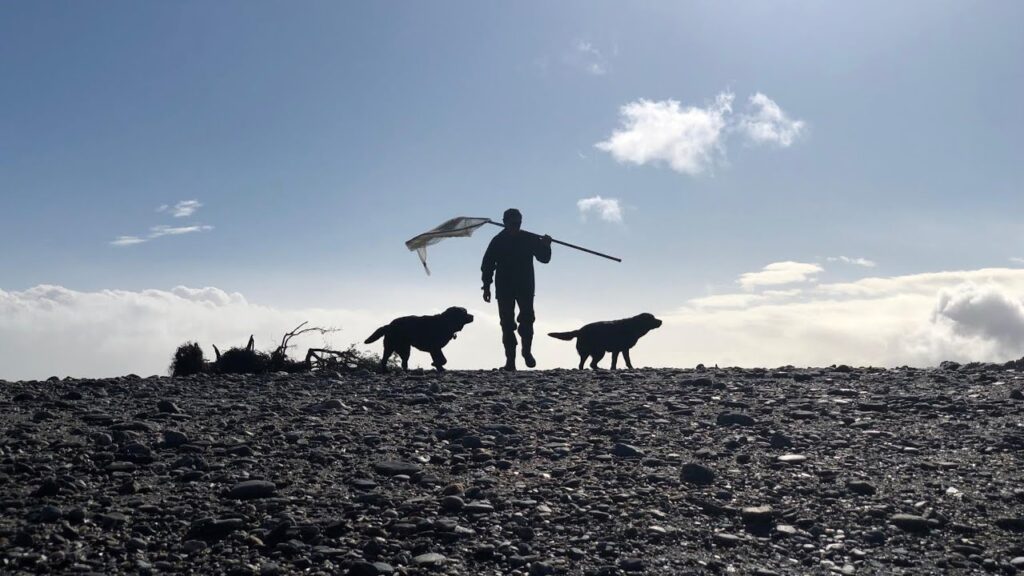
Whitebait season has arrived.
Whitebait season is a much loved season here on the West Coast and throughout New Zealand. Families enjoy their old traditions of getting out to favourite spots to spend time with family, friends, or some much needed alone time and to hope for a lucky catch. It is unfortunately also the penguin season too - that crucial time of egg laying, new chicks hatching and parents frantically going in and out of the sea bringing food for their offspring. It is a busy time at the beach currently, where penguins, humans, cars, and dogs all have to co-exist as best we can. We wish you luck with your whitebaiting. Here are some useful tips to keep our penguins safe at the same time: - If you have to drive on the beach or coast roads, please try to avoid the period dawn to dusk or drive extra slowly as our little 30 cm high friends could be crossing - please watch out for them. - Dogs are humans' best friends, but it's sadly not the same for penguins. Unfortunately they are still the main threat to our penguins after vehicles. Please do your part and keep your furry best friends in your sight and under close control when you are out on the beach and estuary areas - penguins can travel up rivers for a kilometre or so. If possible, please keep your dog out of the sand dunes and bushes/vegetation at the back - this is penguin nesting zone. - Everyone believes that their dogs couldn't possibly kill a penguin, but a penguin is simply a fluffy chew toy to a dog, they are intending no harm most of the time. We have all seen a loving, gentle, family dog with a new chew toy for Christmas - little penguins don't look much different. - If you see a penguin trying to come home and he looks disturbed by your presence, please let him by without disturbance so he can go feed his chicks. Many thanks for your consideration and we hope you have a great season! Who knows you may be lucky enough to experience a penguin sighting whilst catching a net full! Take a look at DOC's Wildlife Wise Dogs programme here for some of their helpful hints: https://www.youtube.com/watch?v=weWk_E0uOlMTrust Annual Report – a tale of change and loss, but also of productivity and hope
September 2, 2022
The 2021/22 year has been one of change and loss for the trust, but also of productivity and hope for the future.
Trust Annual Report – a tale of change and loss, but also of productivity and hope

The 2021/22 year has been one of change and loss for the trust, but also of productivity and hope for the future.
The 2021/22 year has been one of change and loss for the trust, but also of productivity and hope for the future. Trust Chair, Robin Long, introduces the annual report and explained: "Overshadowing all of our work throughout the year, our inspiration, guide, scientist, and Chair for most of the Trust’s existence, Kerry-Jayne Wilson MNZM, battled cancer and sadly died at the end of March. She had bounced back remarkably well to attend our February meeting, and achieved her long held ambition to write and publish the acclaimed New Zealand Seabirds: A Natural History in October, also managing to do interviews as it was launched. "The loss to the trust and to seabird conservation in Australasia is immense. "But Kerry-Jayne has left a powerful legacy. Thanks to her guidance, the trust’s work has always been solidly grounded in scientific knowledge and not assumption. Our vision is that threatened seabirds and their habitats thrive and we will continue to strive towards achieving that in her memory." Follow the link below to read the full report, including summaries of the trust's various projects and programmes of work and our appreciation for all those who help and support us. 2022 West Coast Penguin Trust Annual ReportTake a moment to act for nature this Conservation Week 5th – 11th September
August 31, 2022
Take a moment to act for nature this Conservation Week 5th - 11th September
Take a moment to act for nature this Conservation Week 5th – 11th September
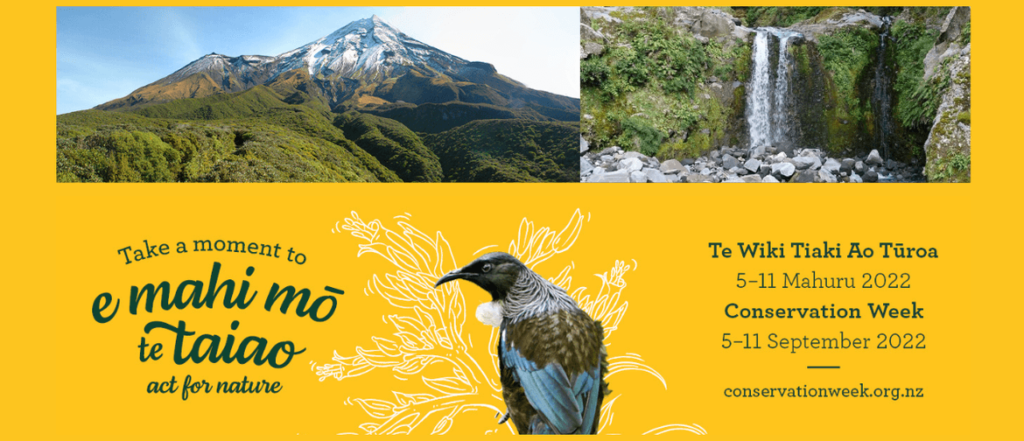
Take a moment to act for nature this Conservation Week 5th - 11th September
Conservation Week 2022 focuses on how we can take action for nature. Taking action not only benefits nature, but also our personal wellbeing. Ka ora te whenua, ka ora te tangata – when the land is well, the people are well. When Papatūānuku thrives, we thrive. There are many events you can attend, locally and New Zealand wide and activities you can do at home and in your local community to support this week. Take a look at the DOC website to get some ideas. Local ideas: Count some tracks on the beach for our West Coast Annual Blue Penguin Count Attend the Carters Beach market and planting day on Saturday 10th SeptemberJoining forces with Sustainable Coastlines in education
August 31, 2022
Education Ranger, Lucy, joined forces with Sustainable Coastlines Coordinator, Emma Hunter, visiting local Hokitika primary schools.
Joining forces with Sustainable Coastlines in education
Education Ranger, Lucy, joined forces with Sustainable Coastlines Coordinator, Emma Hunter, visiting local Hokitika primary schools.


Two exciting new tools for monitoring kororā
August 31, 2022
Ranger, Linden, reports on two exciting new tools for monitoring kororā.
Two exciting new tools for monitoring kororā
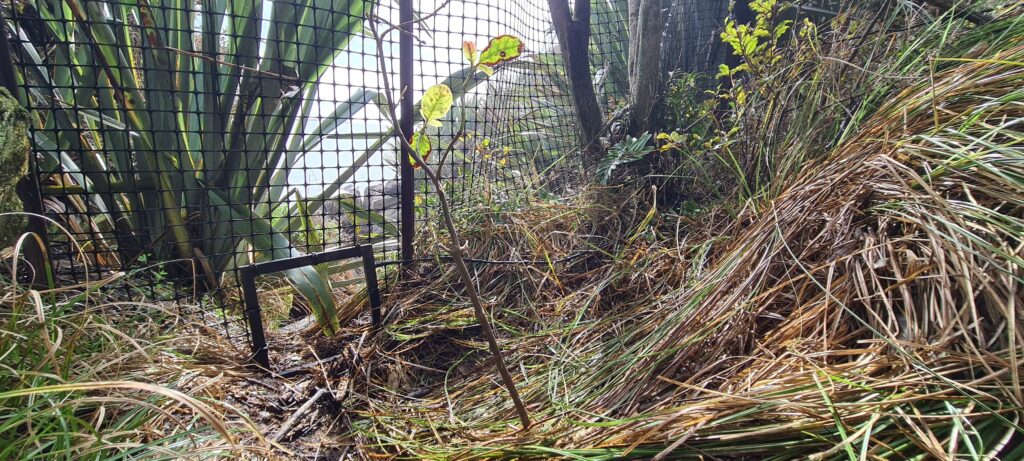
Ranger, Linden, reports on two exciting new tools for monitoring kororā.


It’s the West Coast Annual Blue Penguin Count time again folks
August 30, 2022
It's the West Coast Annual Blue Penguin Count time again folks
It’s the West Coast Annual Blue Penguin Count time again folks

It's the West Coast Annual Blue Penguin Count time again folks
It's the West Coast Annual Blue Penguin Count time again folks, so grab your gummies and your penguin tracks form or better still, your phone with the i-Naturalist app downloaded onto it and start counting tracks! An early morning walk in the spring, the week of Monday 12th - Saturday 17th September, will help you rediscover the beauty of your local coastline, discover whether penguins are using the beach and help us build a clearer picture of where blue penguins are on the West Coast.
We have selected these dates when the tide will be low early in the morning to keep you safe and to offer the best chance of seeing penguin tracks crossing the freshly washed sand. You can add your observations any time, but always pay special attention to tide times and conditions.
Read the details here.
An early morning walk in the spring, the week of Monday 12th - Saturday 17th September, will help you rediscover the beauty of your local coastline, discover whether penguins are using the beach and help us build a clearer picture of where blue penguins are on the West Coast.
We have selected these dates when the tide will be low early in the morning to keep you safe and to offer the best chance of seeing penguin tracks crossing the freshly washed sand. You can add your observations any time, but always pay special attention to tide times and conditions.
Read the details here.
 A little history behind the Great Annual West Coast Blue Penguin Count:
Little Penguin populations on the West Coast of the South Island of New Zealand were surveyed and partially counted for the first time in late 2005/early 2006. Motivated by anecdotal information suggesting a decline in Little Penguin populations along the West Coast. this on-foot survey has been the foundation for Little Penguin research and the establishment of regular monitoring schemes. The West Coast Penguin Trust undertook the survey in its first year and has since been documenting factors that influence Little Penguin population growth such as threats, breeding habitat, breeding biology and foraging distance at sea during breeding seasons on the West Coast.
Your help is extremely valuable, thank you.
A little history behind the Great Annual West Coast Blue Penguin Count:
Little Penguin populations on the West Coast of the South Island of New Zealand were surveyed and partially counted for the first time in late 2005/early 2006. Motivated by anecdotal information suggesting a decline in Little Penguin populations along the West Coast. this on-foot survey has been the foundation for Little Penguin research and the establishment of regular monitoring schemes. The West Coast Penguin Trust undertook the survey in its first year and has since been documenting factors that influence Little Penguin population growth such as threats, breeding habitat, breeding biology and foraging distance at sea during breeding seasons on the West Coast.
Your help is extremely valuable, thank you.
Mena the penguin detection dog returns
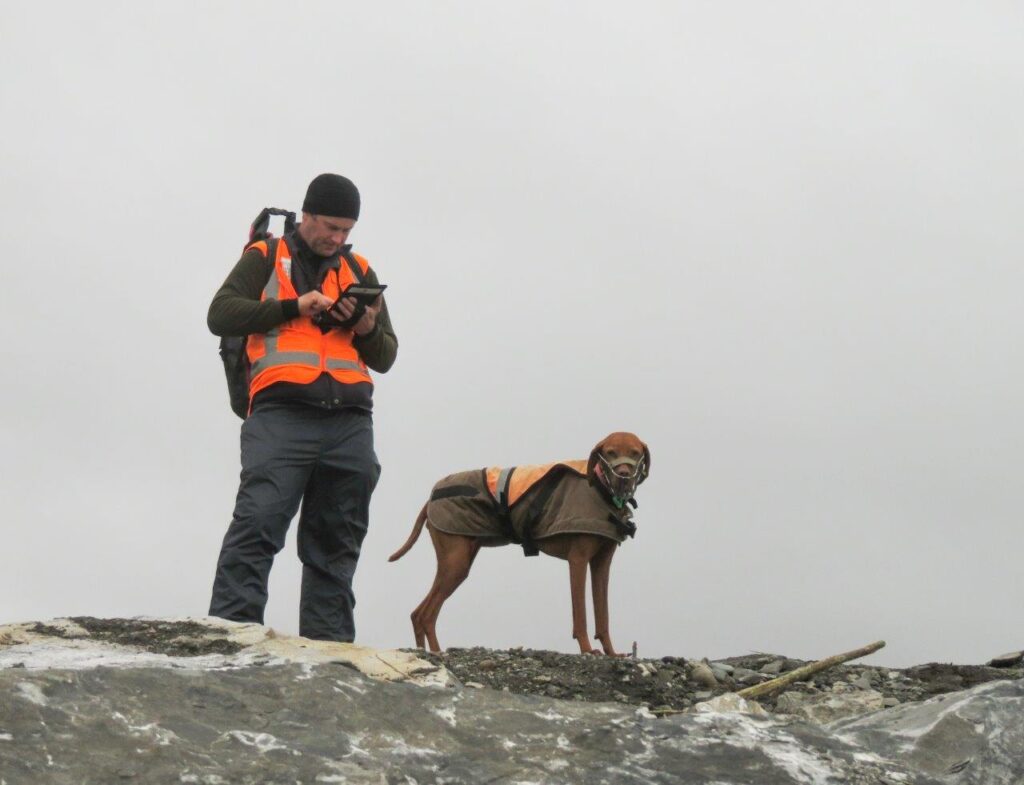
Mena the penguin detection dog returns.
Mena and Alistair are returning to the West Coast for another visit this month. She is the only penguin detection conservation dog in the South Island, her handler is Alastair Judkins. They are joining the West Coast Penguin Trust for two weeks to survey penguin nest sites and visit schools. Mena’s key function is to sniff out penguin sites and the Trust would like to confirm the penguin presence and ideally numbers in several areas including north of Hokitika, along the penguin protection fence north of Punakaiki, Wanganui River and around Tauranga Bay/Cape Foulwind and Carters Beach. She knows, when her muzzle is on, that she’s on duty. She’ll seek out a whiff of penguin and then track it down. When she has found the source, she’ll sit down and await further instructions. Alastair will get her to sit and stay on a small blanket while he investigates further and records the finding. Knowing where penguins are nesting is invaluable when development is planned and we are also keen to have a measure of penguins protected by the penguin fences we currently have in Hokitika and Punakaiki, which we are confident are increasing in number, but doing surveys like this will give us greater certainty. We are also lucky enough to be able to take Alastair and Mena into some schools we have worked with to show the students what she does and how she is very useful to the Trust. She will do a demonstration for the students of her amazing skills detecting penguins and signaling to Alistair. Many of these students have been spending their time learning about penguins and how to help protect them, so this is a wonderful treat for them. There are many excited classrooms awaiting her arrival out there!