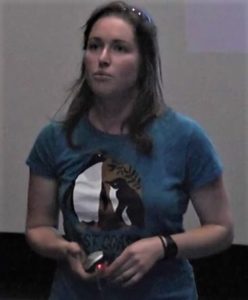
Tawaki ‘TED’ talk from Tawaki Ranger, Robin Long
March 30, 2020
Robin Long - Ranger and Trustee with the West Coast Penguin Trust and volunteer with The Tawaki Project - speaks about the tawaki, or Fiordland crested penguin, sharing the results of work she has carried out or been involved in over the past 10 years, especially in the 2019 breeding season. Tawaki are the third rarest of the penguins, breed only on the New Zealand mainland and, until recently, have remained largely un-researched and unknown.
Tawaki ‘TED’ talk from Tawaki Ranger, Robin Long

Robin Long - Ranger and Trustee with the West Coast Penguin Trust and volunteer with The Tawaki Project - speaks about the tawaki, or Fiordland crested penguin, sharing the results of work she has carried out or been involved in over the past 10 years, especially in the 2019 breeding season. Tawaki are the third rarest of the penguins, breed only on the New Zealand mainland and, until recently, have remained largely un-researched and unknown.
Robin Long - Tawaki Ranger and Trustee with the West Coast Penguin Trust and volunteer with The Tawaki Project - speaks about the tawaki, or Fiordland crested penguin, in this talk published on Vimeo this week, sharing the results of work she has carried out or been involved in over the past 10 years, especially in the 2019 breeding season. The Department of Conservation in Franz Josef hosted their second 'Te Wahipounamu TED talks' event in October 2019, inviting speakers to share stories about South Westland in 15 minute slots. This was a great opportunity for Robin to share her extensive knowledge of these, the third rarest of the penguins. Tawaki breed only on the New Zealand mainland and, until recently, have remained largely un-researched and unknown. Watch it here.
2020 New Zealand Annual Coin – Chatham Island Crested Penguin
March 26, 2020
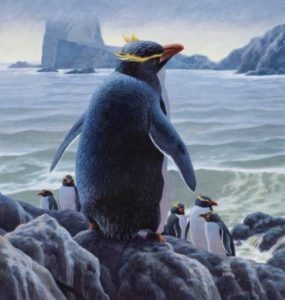
Every year New Zealand Post releases a coin commemorating one of Aotearoa's extinct animals. This vivid coin recalls the recently discovered Chatham Island crested penguin, a unique species that existed on this remote archipelago until only a few hundred years ago.
2020 New Zealand Annual Coin – Chatham Island Crested Penguin

Every year New Zealand Post releases a coin commemorating one of Aotearoa's extinct animals. This vivid coin recalls the recently discovered Chatham Island crested penguin, a unique species that existed on this remote archipelago until only a few hundred years ago.
Every year New Zealand Post releases a coin commemorating one of Aotearoa's extinct animals. This vivid coin recalls the recently discovered Chatham Island crested penguin, a unique species that existed on this remote archipelago until only a few hundred years ago. Read more from NZ Post here. Trust Scientist, Kerry-Jayne Wilson, reported that this penguin was named in honour of John Warham, once the world authority on crested penguins and her mentor when she was a student, and added that both the Chatham species were only discovered recently when ancient DNA could be extracted from sub-fossil bones. Ms Wilson is currently working on a new seabird book and provided these fascinating extracts:While many terrestrial and freshwater birds became extinct the only known extinctions of marine birds are Scarlett's shearwater from the mainland, Inber’s Petrel, Warham’s Penguin and Richdale’s Penguin from the Chatham Islands (Worthy et al 2017, Cole et al 2019) and the Waitaha Penguin from the south east of the South Island (Boessenkool et al 2009). Other seabirds have survived the arrival of people and predators thanks to populations on islands that remained predator free despite the local losses of vast colonies of many species from the mainland and some islands. Hundreds of millions, perhaps billions of petrels nested on the North and South Island mainlands prior to the coming of people and predators; the pugnacious Westland Petrels, the alpine breeding Hutton’s Shearwaters and the tiny remnant colonies of Sooty Shearwaters, Grey-faced petrels and Fairy Prions are all that remain. Prior to the arrival of people three other species or sub-species were endemic to New Zealand. The Waitaha Penguin occurred along the eastern coast of the South Island until hunted to extinction during the last 750 years. It was replaced by the closely related Yellow-eyed Penguin which colonised Southland and Otago from its Auckland and Campbell Islands homeland. Richdale’s Penguin, a sub-species of the Yellow-eyed, and Warham’s Penguin, a crested penguin, were both apparently restricted to the Chatham Islands (Cole et al 2019). They too became extinct, presumably through hunting after Polynesian settlement of those islands.Click on the reconstruction below for a link to the NZbirdsonline entry for the Chatham Island Crested Penguin:
Sustainable jewellery to help penguin conservation
March 17, 2020
We are delighted to be working with Golden Bay based sustainable jeweller Stone Arrow to raise funds for penguin conservation projects!
Sustainable jewellery to help penguin conservation
We are delighted to be working with Golden Bay based sustainable jeweller Stone Arrow to raise funds for penguin conservation projects!
We are delighted to be working with Golden Bay based sustainable jeweller Stone Arrow to raise funds for penguin conservation projects! Stone Arrow create ethical and handcrafted jewellery you will love! Not only beautiful earrings and necklaces based on penguins but much more NZ flora and fauna based jewellery using a variety of recycled materials including silver, copper and glass. And now, when you buy through their website, you simply put 'bluepenguin' in the discount code box and a donation will wing its way to the West Coast Penguin Trust! This is a beautiful way to collaborate, enjoy gorgeous sustainable NZ made jewellery, and support our projects! Have a look at the stunning collection here and, when you order, use 'bluepenguin' to donate as you shop! Thank you! PS They also have some beautiful garden art among other things and you can sign up for their newsletter to receive news of discounts and be in to win! A few examples are shown below, but go to the website for the whole collection.


Westland ocean outfall project aims to increase penguin population
February 19, 2020
Westland Milk Products is moving mountains to ensure Hokitika’s blue penguin population not only survives but thrives over the course of its ocean outfall project and beyond.
Westland ocean outfall project aims to increase penguin population
Westland Milk Products is moving mountains to ensure Hokitika’s blue penguin population not only survives but thrives over the course of its ocean outfall project and beyond.
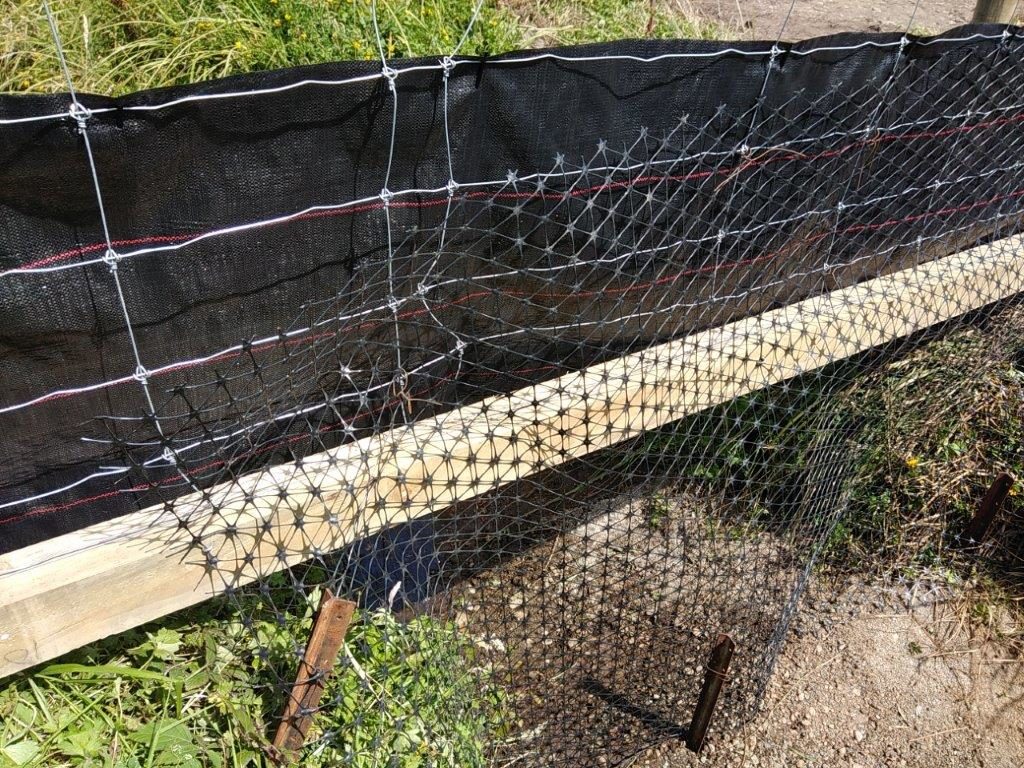
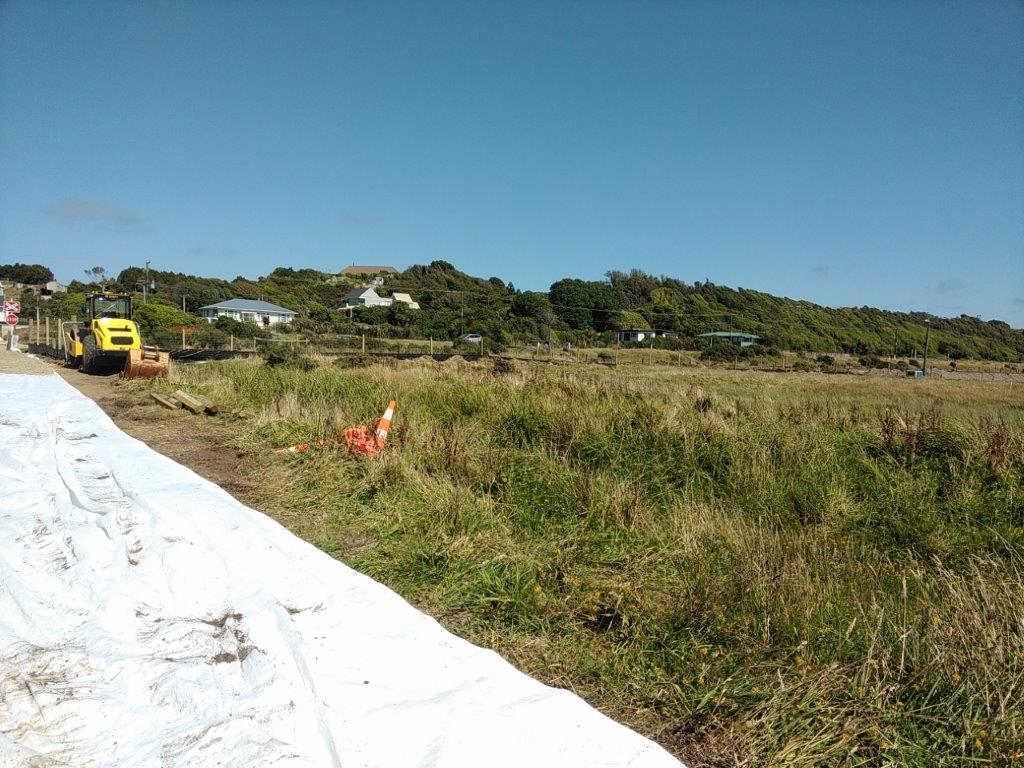
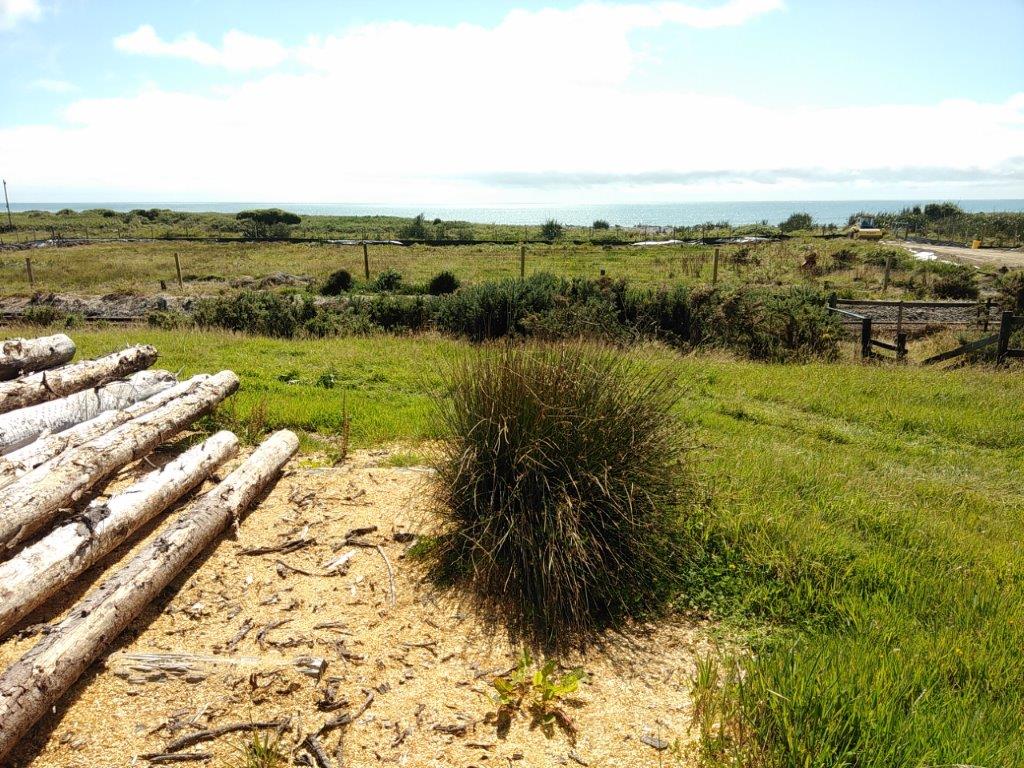
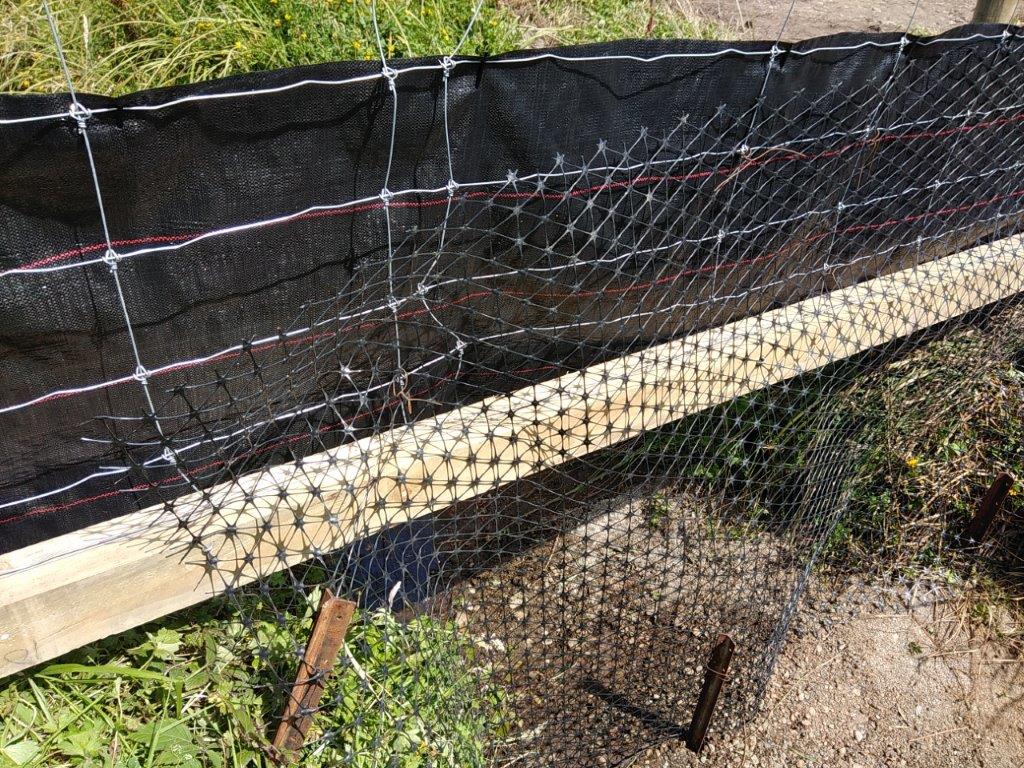
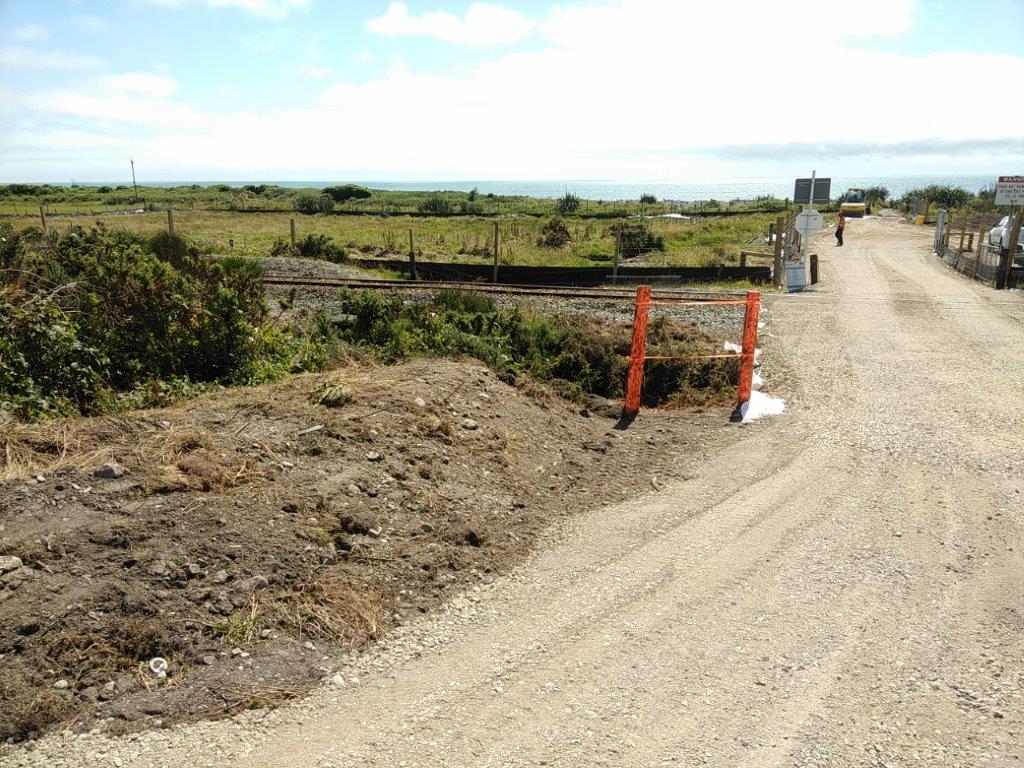
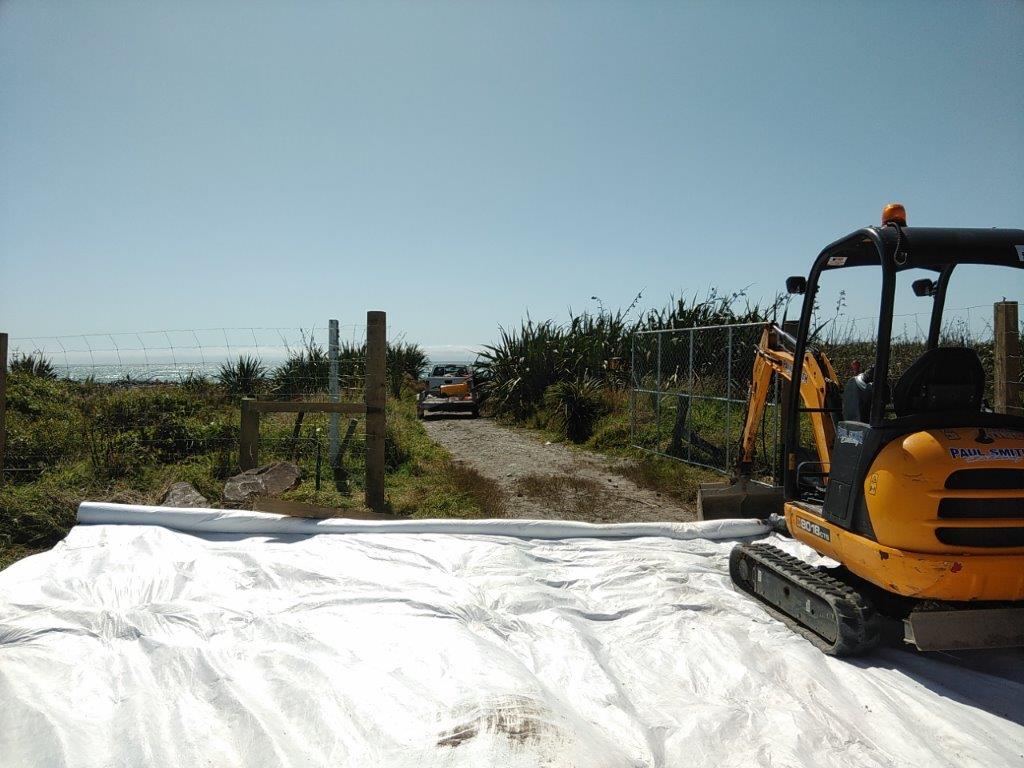
Westland Milk Products is moving mountains to ensure Hokitika’s blue penguin population not only survives but thrives over the course of its ocean outfall project and beyond. Westland CEO Toni Brendish said Westland hoped its project, which has now commenced oceanside work south of the Westland District Council’s Hokitika treatment ponds, would lead to penguin population protection. She said the development of a detailed 30-page management plan to ensure the wellbeing of Eudyptula minor had created passionate penguin advocates among the project’s contractors and Westland staff. “Working with the West Coast Penguin Trust in the planning and now delivery of our proposal has been a very rewarding experience,’’ Ms Brendish said. “We’re hoping this will lead to a very long relationship with the West Coast Penguin Trust to support the work they do to protect our local populations. We want the work that we do to create a better environment for the blue penguin.’’ Environmental Manager for Westland Chris Pullen said the company’s partnership with the Penguin Trust had extended well beyond the ocean outfall project. “We’re now working with the Trust on a number of measures to help protect the birds,’’ Mr Pullen said. “Free roaming dogs, vehicles, and habitat loss or disturbance are some of the threats but creating public awareness about the penguins’ activity, what their habits and breeding cycles are, is part of the answer.’’ Before work near penguin habitat could begin, a penguin-proof fence had to be constructed. Representatives from the main contractors, sub-contractors, Westland, the Department of Conservation and the West Coast Regional Council were also taken through an induction event to ensure the penguins do well during and after construction. The Penguin Trust will train staff members from each company working on the project on how to handle and relocate penguins should rangers from either the Trust or the Department of Conservation be unable to help. “However, the best advice is to leave the handling and relocation to the experts,’’ Mr Pullen said. “To put this into effect, a hot line to the Department and the Trust has been established.’’ West Coast Penguin Trust Manager Inger Perkins said she had been part of discussions since the project was first proposed a decade ago. “Westland identified the fact that the pipeline would be going through penguin nesting and foraging areas and have been at pains to work with the Trust to ensure no harm will come to the penguins,’’ she said. “Not only have we been involved every step of the way to ensure penguins will be safe during the construction project, but we have also built an excellent relationship and we’re delighted the relationship is much broader than the pipeline project. “As a region-wide business, WMP are finding ways to support our region wide penguin conservation projects, both locally in Hokitika, and across the coast.” Mr Pullen said land-based pipe-laying is currently progressing as planned and expected to reach the ocean site work by mid-2020. Two teams are working on land-based pipe-laying, one team from the factory, and the other from the ocean site. Work to construct a hard-stand from which heavy equipment will operate on the district council-owned paddock south of council’s treatment ponds began in mid-February following construction of the penguin-proof fence. Ms Perkins said the new fence would define the work area, protect the public from danger but also keep silt from washing off the site and prevent curious penguins from getting into the site and becoming stuck there or in danger from machinery or trenches. Under seabed drilling and pipelaying to a point 800m offshore is expected to begin around the middle of the year, depending on availability of equipment. The ocean outfall project is the culmination of 10 years of planning to replace the Hokitika plant’s current system of distributing treated wastewater into the Hokitika River.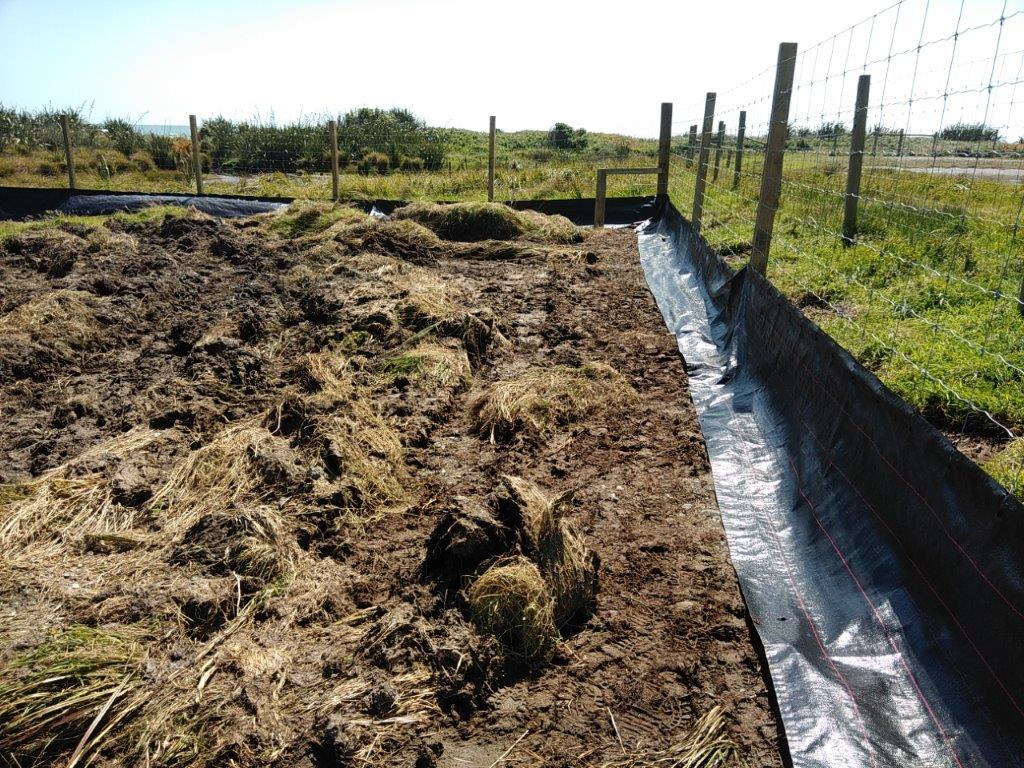


NZ Penguin Initiative after its first year
January 23, 2020
The NZ Penguin Initiative is all about penguin conservation action and has just released its fourth quarter report after a busy year.
NZ Penguin Initiative after its first year
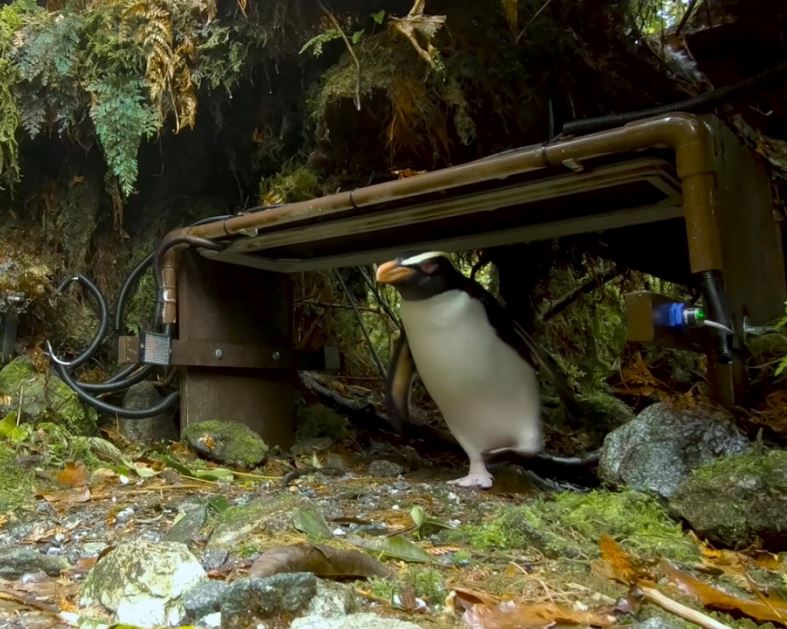
The NZ Penguin Initiative is all about penguin conservation action and has just released its fourth quarter report after a busy year.
New penguin rehab enclosure receives its first penguin
January 22, 2020
Monday (20th January 2020) was World Penguin Awareness Day and what better day for a blue penguin in need of some TLC to move into a new penguin rehabilitation enclosure in Hokitika.
New penguin rehab enclosure receives its first penguin
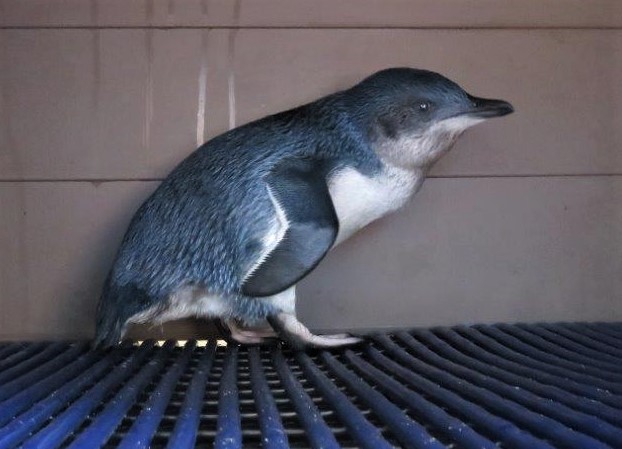
Monday (20th January 2020) was World Penguin Awareness Day and what better day for a blue penguin in need of some TLC to move into a new penguin rehabilitation enclosure in Hokitika.
Monday was World Penguin Awareness Day and what better day for a blue penguin in need of some TLC to move into a new penguin rehabilitation enclosure in Hokitika. The juvenile penguin was picked up by visitors close to town and dropped off at the Hokitika vets on Friday. The vets kindly checked him over, gave him or her a clean bill of health and he was transferred to the care of the West Coast Penguin Trust. Advice from experienced penguin rehabber in Westport, Julie Leighton, was that penguins that have only recently left the nest need to have achieved a weight of at least 800g. This little penguin was just 725g and, although with the beautiful bright blue and white feathers of a first-year penguin, still had some of his grey chick fluff. “With the help of fish, generously kept on hand for just such an occasion by New World Hokitika, the little penguin has put on a bit of weight, but a few more days will get her up to a sturdy weight for release” said West Coast Penguin Trust Manager, Inger Perkins. And that extra weight gain is going to be managed by Tracy Johnston-Coates who has recently seen the completion of the construction and fitting out of a penguin rehabilitation enclosure. Tracy completed her training and achieved her wildlife permit last year and was delighted to welcome her first penguin to the enclosure. “Nearly two years ago, I first approached the Penguin Trust to see if I could help. I helped with some penguins that needed care last year before I did my training and now, with materials supplied by DOC and some wonderful neighbours who built it, I’m all ready to look after penguins that need a helping hand in this purpose built enclosure. “This young one will have the benefit of safe shelter within earshot of the waves, somewhere I can feed him until he’s ready to be released. “It’s wonderful having fish kept for us by New World, but if we can get small fish as well, like smelt and yellow-eyed mullet, that would really help too as the penguins then get all the extra nutrients from fish bone and skin. The penguin trust would love to hear from fishers who could help us out.” Inger added: “It’s been a tough year for blue penguins in parts of the coast. In the Charleston area we were finding chicks that had starved and, just north of Hokitika, significant erosion has made access to nesting areas very challenging. “It’s a privilege to be able to give this little one a helping hand and then send him on his way with a better chance of survival with the advantage of this wonderful penguin enclosure and Tracy’s tender care. Others can help with donations through the Trust to cover things like supplements and medications for sick penguins.”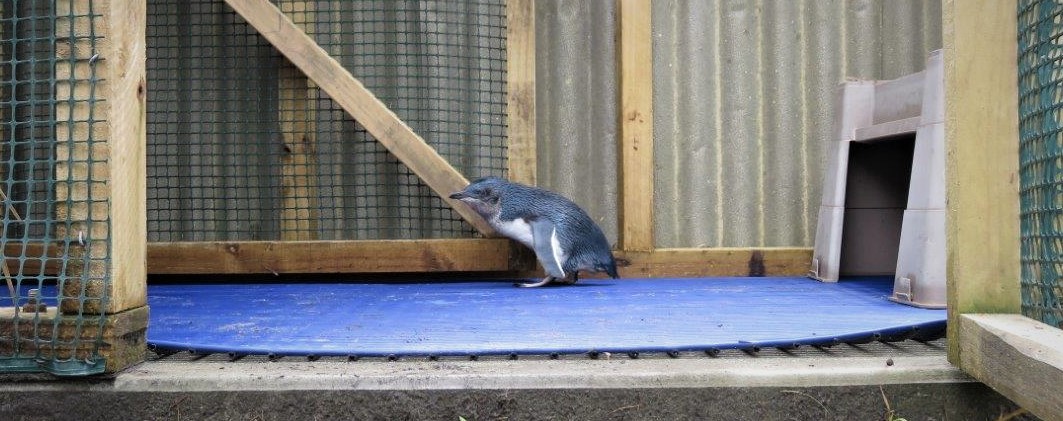

World of Penguins – Greymouth talks coming up
January 16, 2020
Join us for an update on the work of the Trust and 'World of Penguins' - an entertaining and informative talk from Trust Scientist, Kerry-Jayne Wilson MNZM
World of Penguins – Greymouth talks coming up

Join us for an update on the work of the Trust and 'World of Penguins' - an entertaining and informative talk from Trust Scientist, Kerry-Jayne Wilson MNZM
Join us for an update on the work of the Trust and 'World of Penguins' - an entertaining and informative talk from Trust Scientist, Kerry-Jayne Wilson MNZM We'll be at the Greymouth Baptist Church, rear of 76-78 High Street, Greymouth and the talks start at 5.30pm, Friday 20th March. Join us for a cuppa from 5.15pm and afterwards. Free (but donations always welcome!) Poster: 2020 03 20 Greymouth talk - The World of PenguinsFirst blue penguin foraging depth results for the coast
January 14, 2020
With the help of the NZ Penguin Initiative, the West Coast Penguin Trust has expanded its blue penguin marine foraging study to learn about depth as well as direction.
First blue penguin foraging depth results for the coast
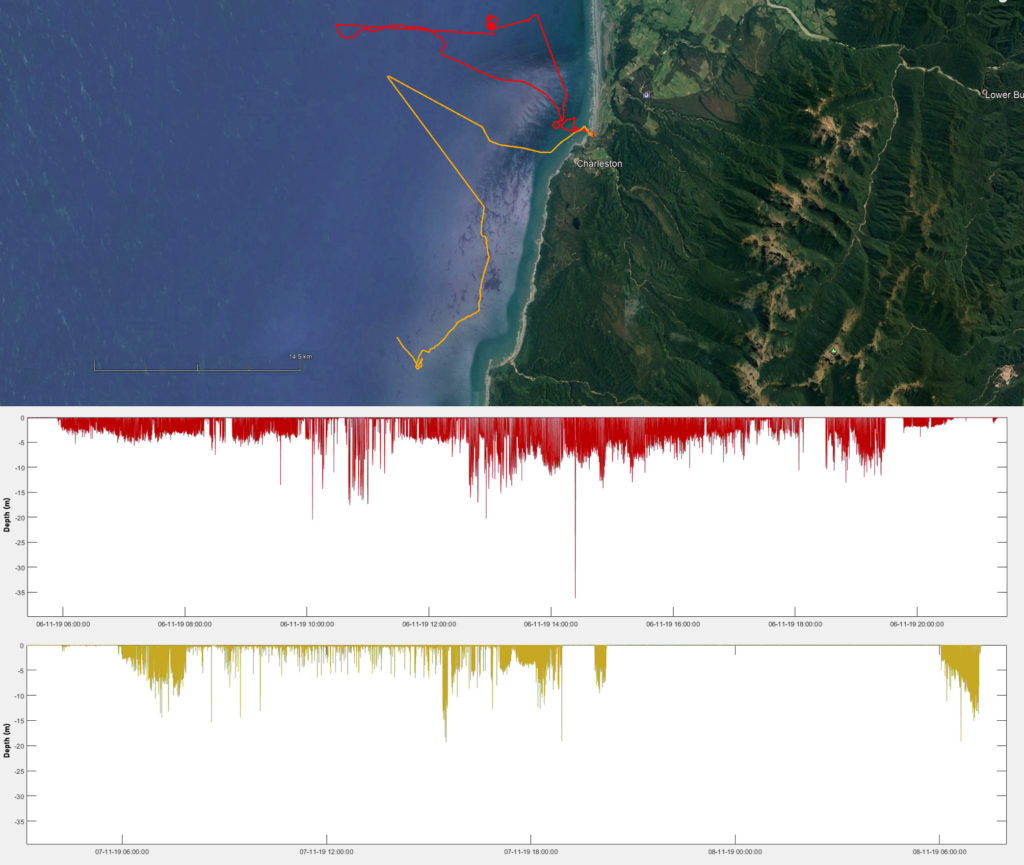
With the help of the NZ Penguin Initiative, the West Coast Penguin Trust has expanded its blue penguin marine foraging study to learn about depth as well as direction.
With the help of the NZ Penguin Initiative, the West Coast Penguin Trust has expanded its blue penguin marine foraging study to learn about depth as well as direction and this is a first for blue penguins on the West Coast. Although only one of the six depth and GPS loggers was recovered, it provided some interesting information covering two foraging trips and we're looking forward to learning more during the 2020 breeding season. Penguin Scientist, Dr Thomas Mattern, recently analysed the data and, for the first trip, he reported that the penguin, known as Rahui#38, is "quite a versatile bird with concentrated foraging on trip one [red line on the map], mostly foraging in the upper 10m of the water column." The record also shows an anomaly with a dive to 36.2m. Dr Mattern suggests that "it looks like the bird was startled by something and tried to gain depth to get away from whatever (it thought) it saw". "The second trip is an overnight foray to the South. Very little in terms of actual foraging a lot of travelling (very shallow dives). It drifted almost all the way to Punakaiki overnight!" In previous years, the Trust has used GPS loggers only and has been gathering data as to the areas that blue penguins are foraging. A measure of depth adds a very interesting and useful third dimension to the study. It's not yet clear whether the other penguins lost the loggers or whether the penguins have died as they have foraged. Our limited data does suggest that the penguins were struggling to find sufficient food for chicks as some chicks sadly starved in the Charleston colonies. The illustration below shows the map of the two tracks plus the depth charts for those trips.


Charleston Blue Penguin Ranger reports on the season
December 10, 2019
We are grateful to have Luisa Salis-Soglio on the team this year. Luisa has been volunteering as our Ranger at Charleston while writing up our blue penguin monitoring data for her Masters. She has provided a report for the season to date.
Charleston Blue Penguin Ranger reports on the season
We are grateful to have Luisa Salis-Soglio on the team this year. Luisa has been volunteering as our Ranger at Charleston while writing up our blue penguin monitoring data for her Masters. She has provided a report for the season to date.
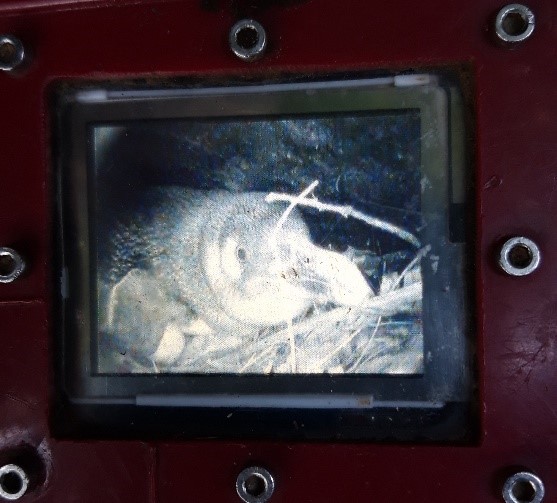
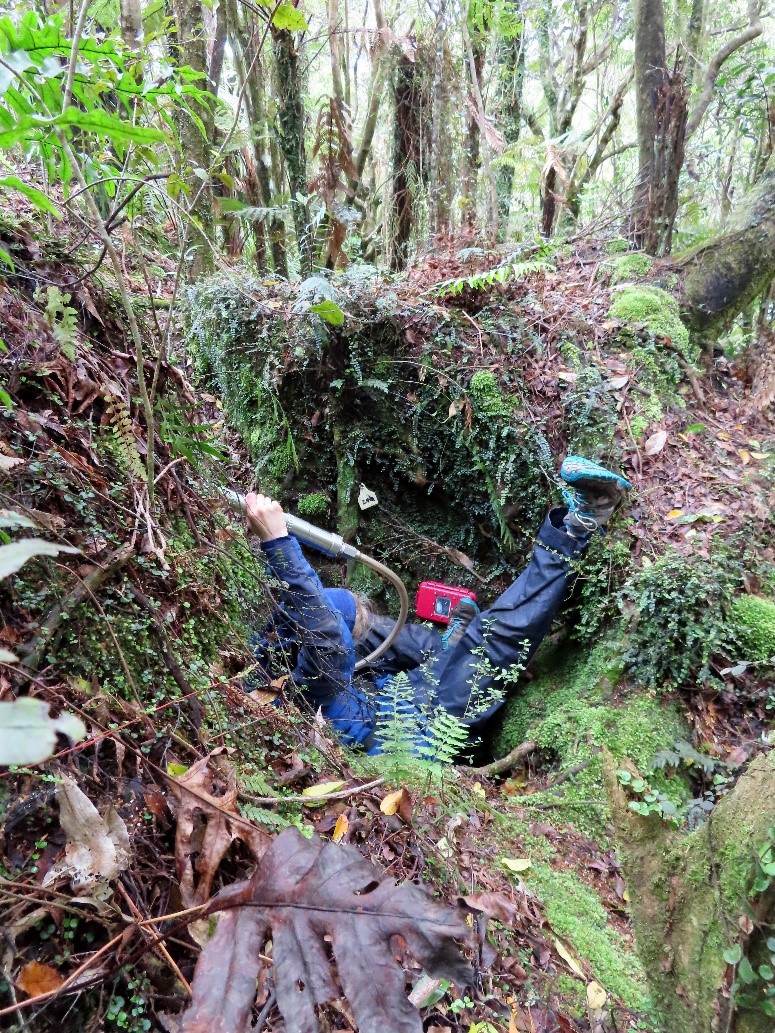
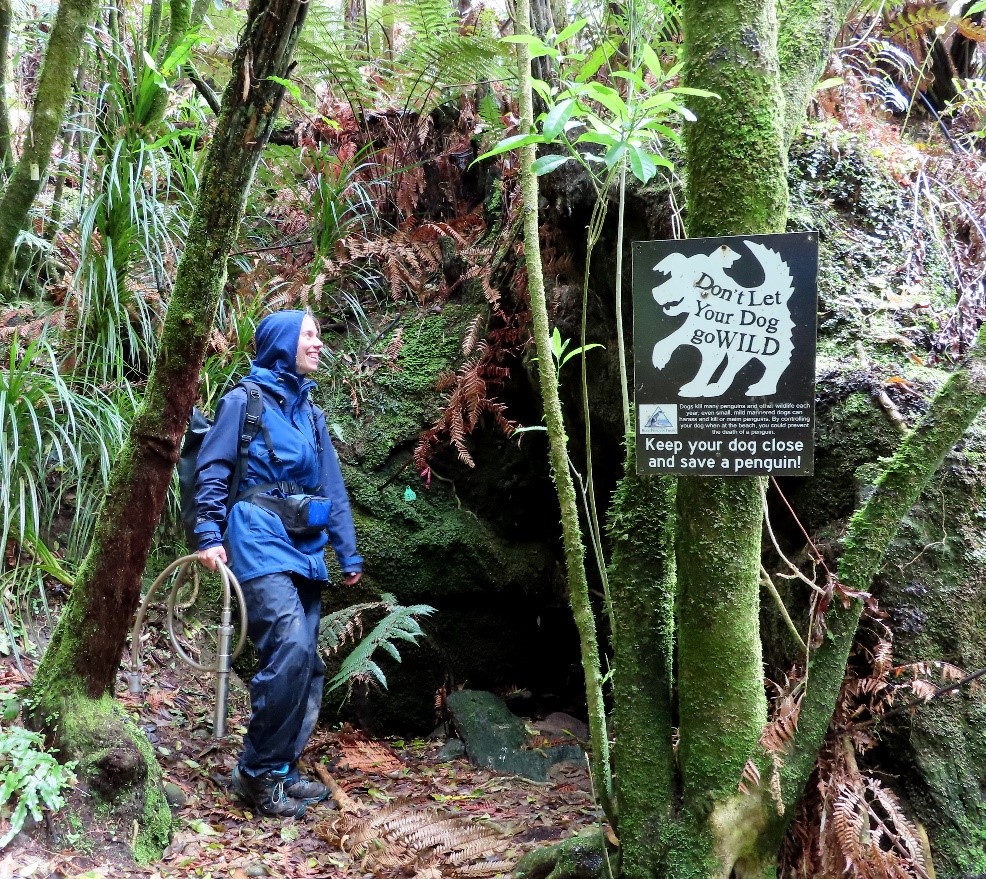
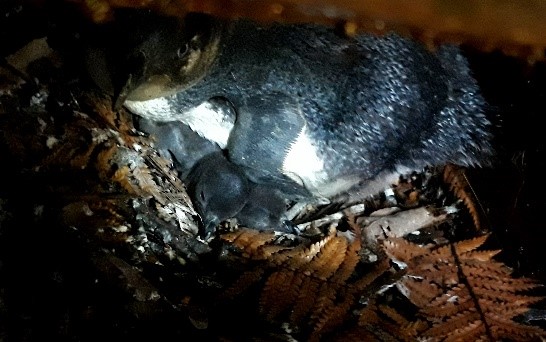
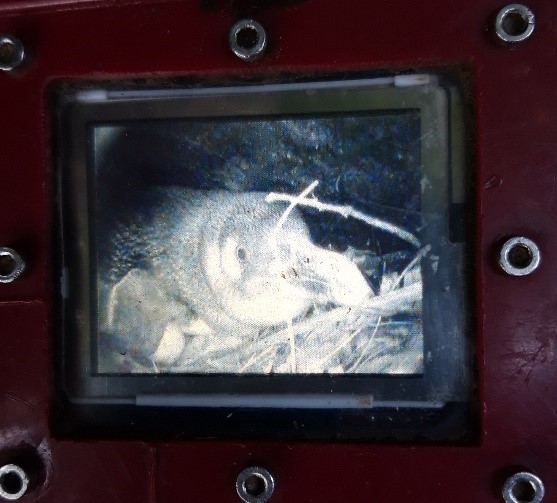
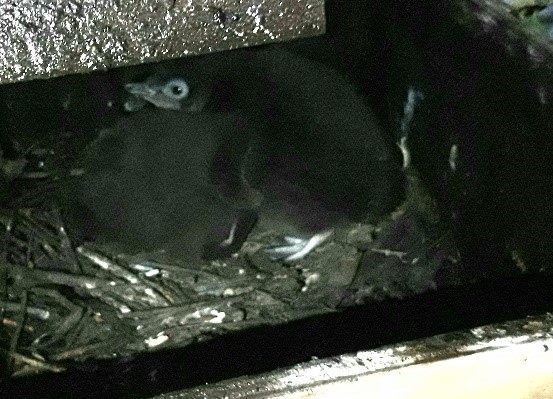
We are grateful to have Luisa Salis-Soglio on the team this year. Luisa has been volunteering as our Ranger at Charleston while writing up our blue penguin monitoring data for her Masters. She has provided a report for the season to date.I feel very blessed and excited to be 2019’s Penguin Ranger and volunteer for the West Coast Penguin Trust. On holiday with my partner from Napier, I bumped into the right people, Manager Inger Perkins and Chair and Scientist Kerry-Jayne Wilson, at last year’s Community Conservation Symposium in Shantytown, presented by the Trust. Kerry-Jayne knew a couple of my lecturers at my German University (Georg August Universität in Göttingen) and so the plan was made that I would come over in August 2019 to perform the monitoring at the Charleston colonies and analyse some of their breeding data for my Master Thesis. I have been a penguin lover from the age of three so this really is a dream come true. For the past three months I have been checking the burrows and nest boxes of the Blue Penguin colonies in Charleston, first determining the active burrows by looking for the presence of these birds (guano, feathers and fly accumulation) and later documenting their breeding progress. Unfortunately, it seems that the Charleston penguins are having a rough breeding season this year. We found several dead chicks that had died of starvation and dehydration – as a post mortem report from Massey determined. Also, at two colonies, a number of birds deserted their eggs, a behaviour that occurs when their partner stays at sea for several days and longer than usual. If this happens at the beginning of the egg guarding stage, it may not impact the eggs at all and the returning adult may still be able to successfully incubate its eggs. In our cases, all deserted eggs failed except for one. On a positive note, 17 chicks have already fledged at the Nile River colony with a few more to come, and two penguin couples, whose first breeding attempts failed, are currently guarding chicks. At Joyce Bay and Rahui colonies, a couple of birds have returned for their annual moult. I was fortunate to also experience the penguins or kororā coming ashore at night. I love sitting on a rock and melting into the darkness and wait and sometimes wait and wait and wait longer for the ‘keck, keck, keck’ as the penguins return from a day of fishing, shooting through the water like little jet boats and soon breaking into their squeaky rowing-boat chants. I have heard the chicks standing outside the burrow screaming for a feed with an urgency in their call like that of a hungry (human) baby. If you are out on your local beach listening for penguins, be mindful not to sit in their way and to use a torch sparingly, as it can damage the penguins’ eyes. Often the moonlight and the stars will give enough light to see what’s going on. Give them time to let them go where they need to go if you share the same way from your hiding spot to your car. And as you drive away, watch out for clumsy penguins, leaping out of the high grass onto the road. My time in Charleston has nearly come to an end and I will relocate to Hawkes Bay at Christmas. I will continue the data analysis and continue writing my thesis from there. While I have a lot of things to look forward to in Napier, I dread my departure a little. I will miss the peaceful remoteness and the kindness of the West Coasters. Climbing around in the mud, I was in my true element. It will be an interesting change of scenery – going from a wildlife-rich off grid-lifestyle to suburbia. But there will be penguins in Napier too. I have already sniffed them out (one of the skills I have acquired on the job). I would like to thank the West Coast Penguin Trust from the bottom of my heart for this amazing experience, their trust, ongoing guidance and support! Thanks for teaching me and helping me to become a scientist.

Donate to the penguins this Black Friday
November 22, 2019
Don't get caught up in Christmas sales, you can help penguins instead!
Donate to the penguins this Black Friday

Don't get caught up in Christmas sales, you can help penguins instead!
Don't get caught up in Christmas sales, you can help penguins instead! Friday 29th November is Black Friday but you can donate here.