That’s the 2024 kororā penguin season wrapped up!
June 13, 2025
That's the 2024 kororā penguin season wrapped up! Report from Ranger, Lucy Waller
That’s the 2024 kororā penguin season wrapped up!
That's the 2024 kororā penguin season wrapped up! Report from Ranger, Lucy Waller
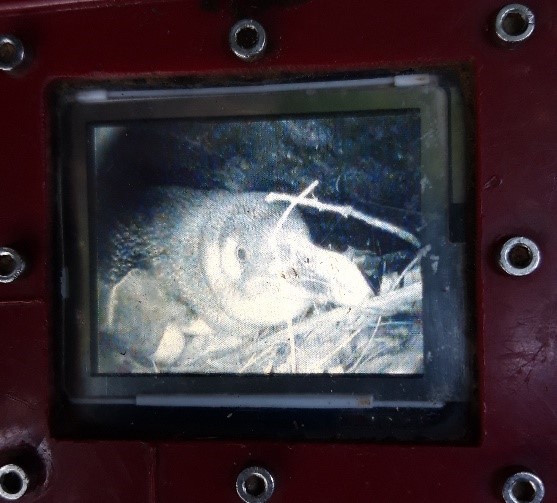
Report from West Coast Penguin Trust Ranger, Lucy Waller The West Coast Penguin Trust has spent the last 19 years monitoring kororā / little penguin colonies at several sites with a main focus on the Charleston area. Some colonies have been completely natural, remote colonies that we have to climb hills and bush bash our way to reach, and some are simply next to a road. Some are natural burrows in rocky caves, under tree roots, in holes in the ground and some are man-made nest boxes placed in locations where shelter may be limited to protect the penguins when breeding, moulting, hanging out; some are a mixture of both. My days, sometimes shared with volunteers, are spent searching for existing burrows and finding new ones and new signs of penguin activity, using our senses and burrowscopes, torches and cameras, sometimes an occasional phone is used when nothing else seems to work. Images on the burrowscope can be challenging, particularly when it's really wet and muddy, and each time the scope goes into the long, natural, muddy burrow, the camera gets covered in wet mud! Or when the birds hear you coming and then move to the very back and round the corner beyond more tree roots!
We monitored our original six Buller sites for the 2024 season, our study site in the Grey area and a few individual sites that we checked around the Punakaiki area. For nearly 20 years, Charleston and the Nile River area has been our main study site, but this year we moved it to Camerons Beach and started creating a fresh data set.
Our Buller sites are mainly natural burrows to burrowscope, with the exception of one private study site still being monitored fortnightly. Cameron's Beach is 100% nest box nesting, which makes monitoring much easier but also much more accurate.
Images on the burrowscope can be challenging, particularly when it's really wet and muddy, and each time the scope goes into the long, natural, muddy burrow, the camera gets covered in wet mud! Or when the birds hear you coming and then move to the very back and round the corner beyond more tree roots!
We monitored our original six Buller sites for the 2024 season, our study site in the Grey area and a few individual sites that we checked around the Punakaiki area. For nearly 20 years, Charleston and the Nile River area has been our main study site, but this year we moved it to Camerons Beach and started creating a fresh data set.
Our Buller sites are mainly natural burrows to burrowscope, with the exception of one private study site still being monitored fortnightly. Cameron's Beach is 100% nest box nesting, which makes monitoring much easier but also much more accurate.
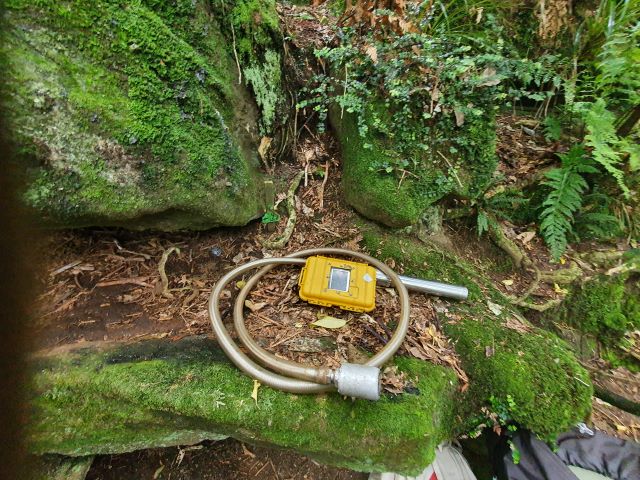 The natural burrow colonies further north, including the Nile River site, did not do so well as previous years this season. With only two checks in the season for these colonies, data is very limited, giving us an indication of presence and breeding success. Results were similar to the last couple of years, which were also quiet. There were no apparent signs of predation on our visits, one dead penguin was found on eggs at one colony sadly, but a very quiet season for those natural burrows colonies this year.
This was our first season that we have not carried out fortnightly checks of the Nile River colony and it seemed to be a rather quiet season there, but we cannot confirm breeding attempts, whether they failed or how many chicks fledged, with just two checks. It has been quiet there for a few seasons, and possibly linked to El Niño weather patterns and marine heat waves. We will do further checks this year to see what the story is for 2025.
The natural burrow colonies further north, including the Nile River site, did not do so well as previous years this season. With only two checks in the season for these colonies, data is very limited, giving us an indication of presence and breeding success. Results were similar to the last couple of years, which were also quiet. There were no apparent signs of predation on our visits, one dead penguin was found on eggs at one colony sadly, but a very quiet season for those natural burrows colonies this year.
This was our first season that we have not carried out fortnightly checks of the Nile River colony and it seemed to be a rather quiet season there, but we cannot confirm breeding attempts, whether they failed or how many chicks fledged, with just two checks. It has been quiet there for a few seasons, and possibly linked to El Niño weather patterns and marine heat waves. We will do further checks this year to see what the story is for 2025.
 However, at our neighboring Charleston colony where penguins are in nest boxes, the breeding success rate (chicks fledged/eggs laid) was 72.5%, in comparison to last year's 83.3%, but the two years before being much much lower in the 30 & 40 % region. We definitely need to keep an eye on this area and learn more about the impact of changing marine conditions.
 We had a very promising start to our little Punakaiki colony this season, having found a very empty colony the last few years. On our first visit in mid October, we found 3 adults sitting tight on eggs and got very excited! Unfortunately by our second visit, 2 nests had failed, one simply empty and one with abandoned eggs. We did have one successful fledged nest with 2 chicks however. There was also a report by the Westland Petrel Patrol team of a penguin chick running around on the highway, under the street lamps there one night. It wasn't seen again, so we hope it found its way home. But this does show there are penguins trying to nest in that area. We plan to do more checks this season of a broader area and we are also fortunate enough to have a penguin detection dog coming to visit who can help us with this. So we are watching this space this upcoming season!
2024 was the first year we microchipped penguins at Camerons Beach. The plan was to microchip as many adults and chicks as we could, however, some penguins were not accessible in burrows only accessible by a burrowscope and a few adults eluded us all season. A total of 24 adults and 23 chicks have been tagged so far and we hope to catch the others this coming season. What this means for us is we are now able to tell who is there, who is returning, who doesn't, if and when chicks return and answer other questions, such as, is that a double clutch? Is that a second attempt of laying eggs from the same pair in the same season? If any dead penguins are now found on the beach at Camerons we should be able to identify the penguin and know from the exact nest it comes from.
We had a very promising start to our little Punakaiki colony this season, having found a very empty colony the last few years. On our first visit in mid October, we found 3 adults sitting tight on eggs and got very excited! Unfortunately by our second visit, 2 nests had failed, one simply empty and one with abandoned eggs. We did have one successful fledged nest with 2 chicks however. There was also a report by the Westland Petrel Patrol team of a penguin chick running around on the highway, under the street lamps there one night. It wasn't seen again, so we hope it found its way home. But this does show there are penguins trying to nest in that area. We plan to do more checks this season of a broader area and we are also fortunate enough to have a penguin detection dog coming to visit who can help us with this. So we are watching this space this upcoming season!
2024 was the first year we microchipped penguins at Camerons Beach. The plan was to microchip as many adults and chicks as we could, however, some penguins were not accessible in burrows only accessible by a burrowscope and a few adults eluded us all season. A total of 24 adults and 23 chicks have been tagged so far and we hope to catch the others this coming season. What this means for us is we are now able to tell who is there, who is returning, who doesn't, if and when chicks return and answer other questions, such as, is that a double clutch? Is that a second attempt of laying eggs from the same pair in the same season? If any dead penguins are now found on the beach at Camerons we should be able to identify the penguin and know from the exact nest it comes from.
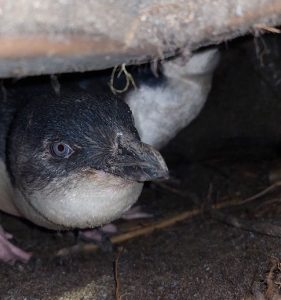 Sadly this has already been relevant, as a dead penguin was found at the entrance to the beach a couple of weeks ago (news story here), but frustratingly we didn't manage to scan it, so we don't know who it was. However, in the next coming weeks, when monitoring starts again, it will probably become apparent. I hope you don't find a dead penguin, but if you do, please do report it to us on this form and, if it's at all practical, move the penguin out of sight and out of the range of the tide in case we need to find it again. Thank you.
Not a nice way to start the season, but a crucial reminder to keep all dogs under close control, never too far ahead and never out of sight, so they won't have time to pick out a penguin hanging out on the beach or in the bushes. And also for vehicles on the beach, please pay attention for these little ones when driving. They only stand 30 cm tall and mostly hop around the beach at dusk and dawn or after dark, when it's difficult to see them.
Sadly this has already been relevant, as a dead penguin was found at the entrance to the beach a couple of weeks ago (news story here), but frustratingly we didn't manage to scan it, so we don't know who it was. However, in the next coming weeks, when monitoring starts again, it will probably become apparent. I hope you don't find a dead penguin, but if you do, please do report it to us on this form and, if it's at all practical, move the penguin out of sight and out of the range of the tide in case we need to find it again. Thank you.
Not a nice way to start the season, but a crucial reminder to keep all dogs under close control, never too far ahead and never out of sight, so they won't have time to pick out a penguin hanging out on the beach or in the bushes. And also for vehicles on the beach, please pay attention for these little ones when driving. They only stand 30 cm tall and mostly hop around the beach at dusk and dawn or after dark, when it's difficult to see them.
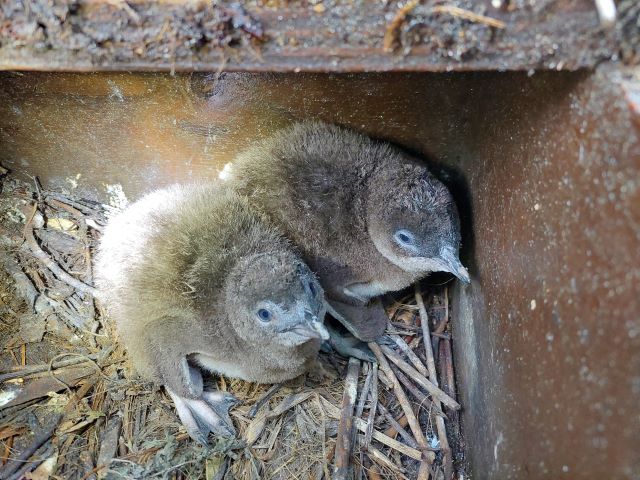 On a more positive note, we had 22 active (meaning penguin presence) nest boxes, with 21 of those actually breeding. 90.5 % of the nest boxes fledged with approximately 26-30 chicks fledging. Interestingly, in all but five nests, eggs were laid within the same three-day period. One nest just had a regular visiting adult throughout the season and a moulting penguin after that, no breeding - perhaps it had lost its mate. For the other four nests: eggs were laid two weeks before the rest in one nest, and in the other three eggs were laid at a similar time to each other, very late in the season.
As this is our first year monitoring this site officially, we cannot compare it to previous years, so we will see what happens this coming season. However, there are more than 64 nest boxes scattered around the site and so the potential for a growing colony is there. Fingers crossed!
On a more positive note, we had 22 active (meaning penguin presence) nest boxes, with 21 of those actually breeding. 90.5 % of the nest boxes fledged with approximately 26-30 chicks fledging. Interestingly, in all but five nests, eggs were laid within the same three-day period. One nest just had a regular visiting adult throughout the season and a moulting penguin after that, no breeding - perhaps it had lost its mate. For the other four nests: eggs were laid two weeks before the rest in one nest, and in the other three eggs were laid at a similar time to each other, very late in the season.
As this is our first year monitoring this site officially, we cannot compare it to previous years, so we will see what happens this coming season. However, there are more than 64 nest boxes scattered around the site and so the potential for a growing colony is there. Fingers crossed!
 We ask everybody to please be vigilant when using the beach from now on, with dogs, cars, and yourselves, as penguin season is starting. The penguins are finding their mates and building nests. Within the next couple of months or so, they will be starting to lay eggs. We ask you to please stay away from any nest boxes you might come across and do not disturb them. When we have to monitor them, we do so very quickly, silently and with minimal disturbance. If we don't have to open the box, we won't and we use camera traps and other signs too to monitor them. We know when to disturb and when not to, studying their patterns and previous data. Some are very susceptible to noise and disturbance, which could disrupt their chances of breeding this season.
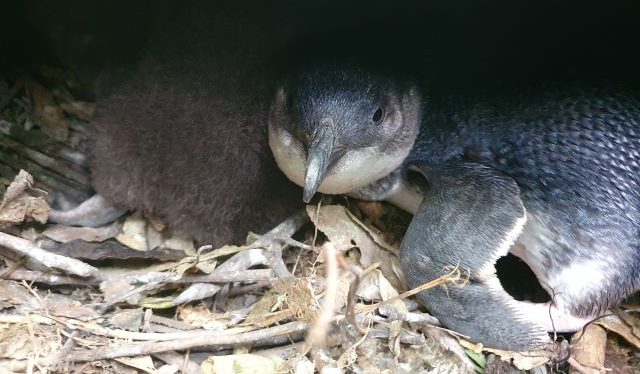 Please help us to protect these beautiful and very important sentinel species for our coastal environment and seas.
Plus.... it is incredibly special to be living so close to the world's smallest penguin. Quite a responsibility and a privilege to protect them!
Thank you
West Coast Penguin Trust Ranger, Lucy Waller
Please help us to protect these beautiful and very important sentinel species for our coastal environment and seas.
Plus.... it is incredibly special to be living so close to the world's smallest penguin. Quite a responsibility and a privilege to protect them!
Thank you
West Coast Penguin Trust Ranger, Lucy Waller
A sorry start to the penguin season at Camerons Beach
June 12, 2025
A sorry start to the penguin season at Camerons Beach - a reminder to all of us to stay vigilant with our dogs
A sorry start to the penguin season at Camerons Beach
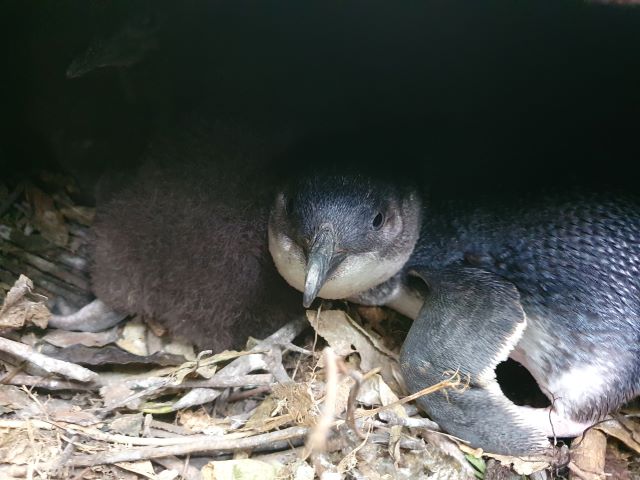
A sorry start to the penguin season at Camerons Beach - a reminder to all of us to stay vigilant with our dogs
A dead penguin was sadly found last week at Camerons Beach, near the entrance from Pandora Avenue. It gives us a very unpleasant reminder to raise more awareness for the upcoming penguin season and for everyone to please keep dogs under control whilst anywhere near any beach.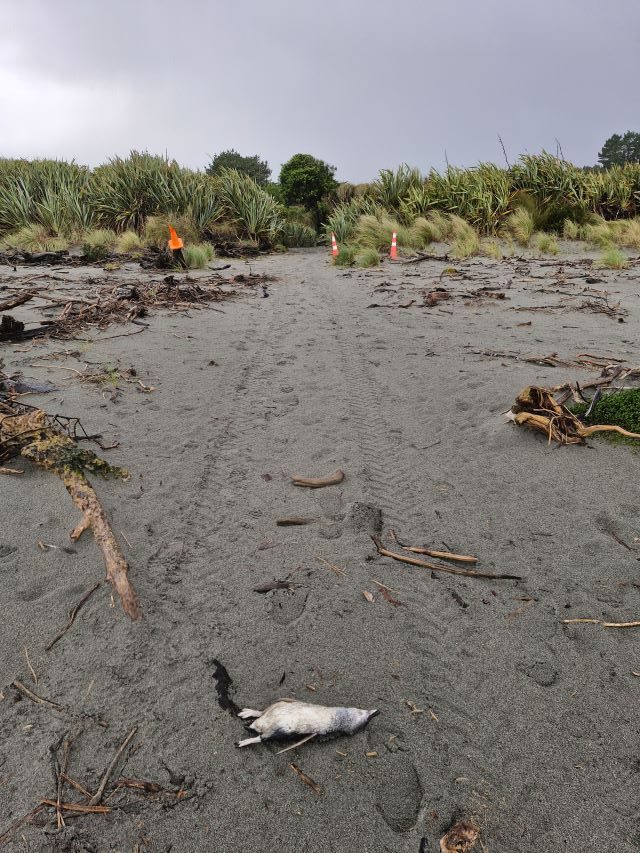 People may be inclined to think it's only one bird out of many, but this just simply isn't true for us over on the West Coast and our kororā. With only approximately 22 breeding pairs of little penguins at Camerons Beach, and this being one of the largest colonies on the West Coast, this dead penguin found last week was a very sad sight and one which will have a knock on effect to the numbers at this colony.
Unfortunately this penguin was not picked up so we couldn't scan it for a microchip to identify it. We have microchipped the majority of the birds at this colony last year and so, for the first time in this location, we will be able to see who didn't come home for the breeding season and whose partner will be waiting for them to return.
Last season, we had between 26 and 30 chicks fledge from the colony at Camerons Beach and we hope, with raised awareness and protection, this number will rise.
People may be inclined to think it's only one bird out of many, but this just simply isn't true for us over on the West Coast and our kororā. With only approximately 22 breeding pairs of little penguins at Camerons Beach, and this being one of the largest colonies on the West Coast, this dead penguin found last week was a very sad sight and one which will have a knock on effect to the numbers at this colony.
Unfortunately this penguin was not picked up so we couldn't scan it for a microchip to identify it. We have microchipped the majority of the birds at this colony last year and so, for the first time in this location, we will be able to see who didn't come home for the breeding season and whose partner will be waiting for them to return.
Last season, we had between 26 and 30 chicks fledge from the colony at Camerons Beach and we hope, with raised awareness and protection, this number will rise.
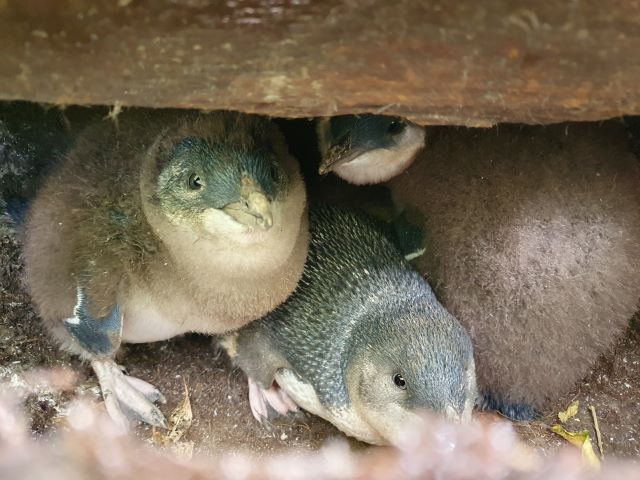 Please keep our kororā colony safe this winter by keeping your dogs under control so they never meet a penguin (or any wildlife) on the beach or in the bushes without you being able to call them back. Thank you for your help and support.
 Lucy Waller, Ranger, West Coast Penguin Trust
Where are the Camerons kororā foraging?
June 10, 2025
Where are the Camerons little penguins - kororā foraging?
Where are the Camerons kororā foraging?
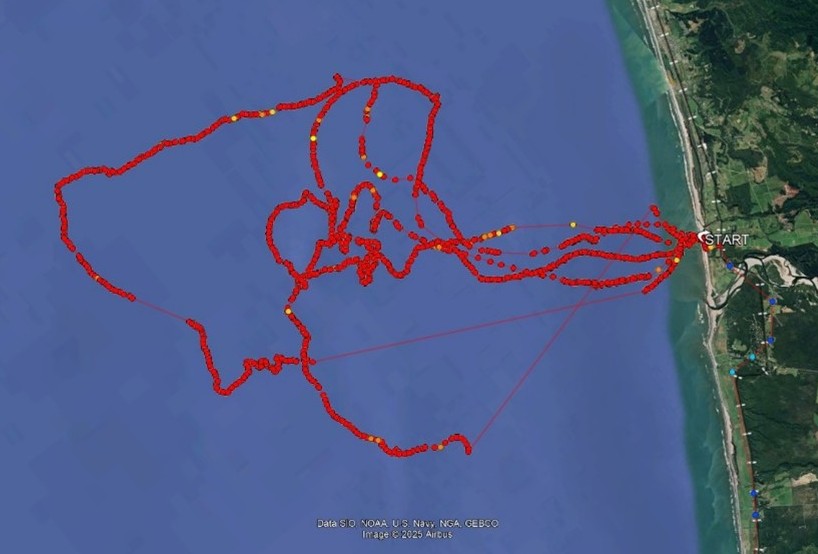
Where are the Camerons little penguins - kororā foraging?
Following on from previous years of foraging studies in the Charleston area, during the 2023 season we carried out a pilot study at Camerons Beach, south of Greymouth, tracking the foraging paths of three blue penguins during chick guard stage, when one adult remains to guard and the other goes to sea to forage. Our plan was to carry out a more extensive study in 2024. This is the first time we have undertaken any study at the Camerons Beach colony and we plan to continue and expand this project in the next few years. We hope this will give us an insight into the foraging areas and patterns of our local penguins in this more residential area of the West Coast. Two important reasons for carrying out a foraging study are firstly, finding out what determines where the penguins are going to find their food source and what might affect their foraging behaviour and success. Sea surface temperatures? Chlorophyll amounts? Different marine conditions? And secondly, to understand and map where penguins go, which will help us contribute to marine science and spatial planning, to discuss with fisheries and, overall, help us to protect our wildlife and the marine ecosystems they rely on. We have carried out foraging studies in the past at Charleston close to the Nile River in previous years and it will be interesting to see the results of this year and make comparisons. Read about these previous studies here.
The stormy weather of 2024 Spring, with the relentless driving rain and high winds, started our foraging study off to a shaky start this season. However, despite the obstacles, scientist Dr Thomas Mattern, Masters student Patrick Daugherty and I managed to find a long enough break in the weather to deploy our first GPS loggers at Camerons Beach during the first week of September.
We successfully managed to deploy three loggers on penguins in incubation stage. Kororā usually take turns to incubate their eggs for a period of approximately 36 days, sometimes swapping every couple of days, sometimes staying on their eggs for up to 7-8 days and then swapping. Unfortunately, after six days, we had to retrieve the loggers, eliminating the risk of losing the valuable devices. Disappointingly, we received no data from this deployment as all three logger birds stayed in their nests for the entire six day period. This in itself could give us some information about the colony, as all the three burrows were within a few metres, posing the question, do they actually work together, perhaps coming in as a group, known as rafting up in this colony? Something we haven't seen. Are they sharing patterns of behaviour?
This experience also shows how field work with little penguins very often doesn’t go to plan. We redeployed another three loggers on different nests, a week later, and all birds went out this time.
Read about these previous studies here.
The stormy weather of 2024 Spring, with the relentless driving rain and high winds, started our foraging study off to a shaky start this season. However, despite the obstacles, scientist Dr Thomas Mattern, Masters student Patrick Daugherty and I managed to find a long enough break in the weather to deploy our first GPS loggers at Camerons Beach during the first week of September.
We successfully managed to deploy three loggers on penguins in incubation stage. Kororā usually take turns to incubate their eggs for a period of approximately 36 days, sometimes swapping every couple of days, sometimes staying on their eggs for up to 7-8 days and then swapping. Unfortunately, after six days, we had to retrieve the loggers, eliminating the risk of losing the valuable devices. Disappointingly, we received no data from this deployment as all three logger birds stayed in their nests for the entire six day period. This in itself could give us some information about the colony, as all the three burrows were within a few metres, posing the question, do they actually work together, perhaps coming in as a group, known as rafting up in this colony? Something we haven't seen. Are they sharing patterns of behaviour?
This experience also shows how field work with little penguins very often doesn’t go to plan. We redeployed another three loggers on different nests, a week later, and all birds went out this time.
 The above map shows the journeys of an adult nesting in the north of the Camerons colony during incubation stage. The penguin carried a logger from 11/9/24 to the 23/9/24. This bird had also stayed in its nest for six days and when we went to retrieve the logger it had decided to leave, so we were slightly anxious about the retrieval. We had to check the nest each day to check for the bird’s return. The penguin made 3 trips that were recorded. This bird weighed 1120g on deployment and 1060g on retrieval. The data for this penguin during these trips is shown below.
| Summary data: | |
| Dives made: 799 | Max dive depth: 40.8 metres |
| Mean dive time: 31.47 seconds | Mean home range: 17.9 km |
| Max dive time: 79 seconds | Max home range: 24.8 km |
| (longest dive recorded of all 2024 data) | Distance travelled: 63.5 km |
| Mean dive depth: 10.9 metres |
 The second deployment round happened mid-October, three more loggers were put on penguins on chick guard stage.
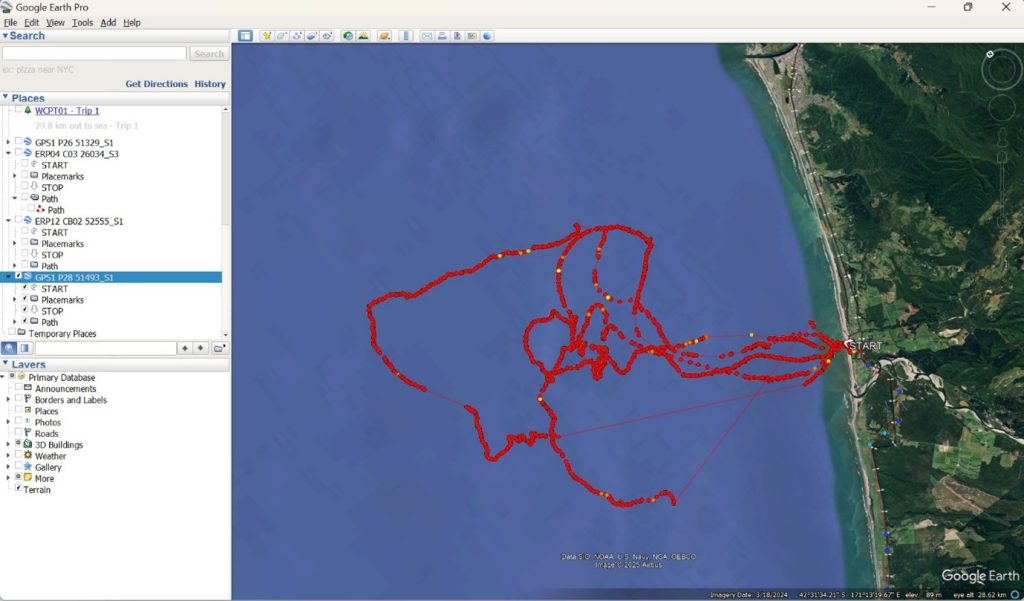 This adult, again breeding at the north end of the colony, made three recorded trips between 15/10/24 and 21/10/24 during chick guard stage. The penguin weighed 920g on deployment and 1040g on retrieval.
| Summary data: | |
| Dives made: 1136 | Max dive depth: 30.2 metres |
| Mean dive time: 27.22 seconds | Mean home range: 11.4 km |
| Max dive time: 30.2.seconds | Max home range: 20.1 km |
| Distance travelled: 52 km | Mean dive depth: 10.4 metres |
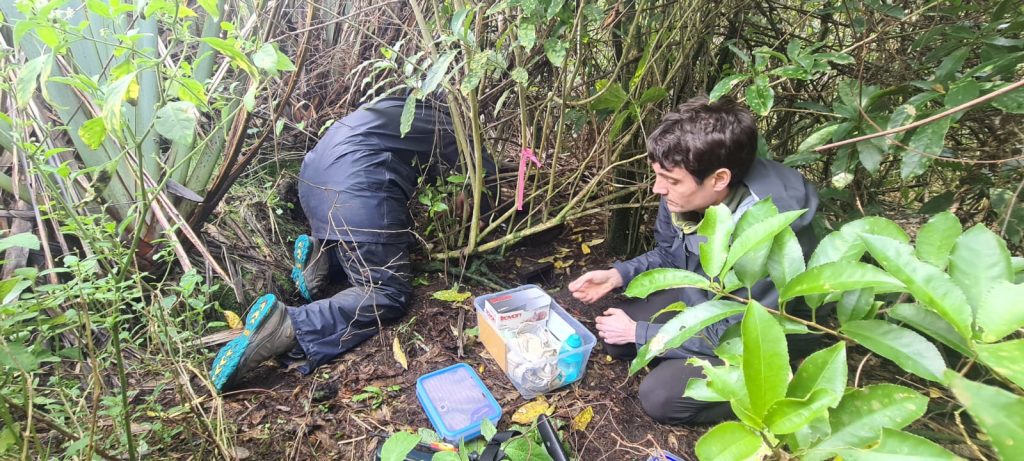 In the meantime, we can have a look at some simple foraging statistics, such as number of dives and dive times during chick guard stage and it appears that the birds had to work harder in 2024. The mean number of dives in 2023 was 1,125 versus 1,296 dives in 2024. There were longer dive times in 2024: mean dive times of 28.4 seconds in 2024, compared to 19.6 seconds in 2023.
At the same time, they seemed to forage closer to home in 2024: travel distance 52.0 km in 2024 compared to 76.8 km in 2023 and home range of 10.5 km in 2024 compared to 17.3 km in 2023.
So during the 2024 breeding season, penguins had more dives per trip, longer dive times, and travelled less far than in 2023.
What these observations and statistics mean in the context of environmental variables, is what Patrick will be looking into in the future, with more data and further seasons. We are just at the start of this kind of monitoring at Camerons Beach and only after a few years of data collection, will hope to understand which environmental factors influence foraging behaviour as well as breeding success.
What we can do for now is note observations from the season and start asking questions for the future data to be collected, such as the difference in the foraging area for penguins from the north part of the colony to the south – are the birds from the north foraging in different zones? Does it make a difference? Did it have anything to do with the starvation and issues in the northern nest boxes that we saw?
This season, the south side birds all bred at the same time and all fledged in a similar window. They were all very healthy weight birds and chicks, no dramas on the south side! Whereas the north side was the location of the particularly early breeders (for the colony’s trend this season), late breeders (again compared to the colony’s trend this season), a failed attempt, one dead adult during post guard chick stage that died in the nest box and multiple chick deaths, evidence of ticks and tape worm, one chick with possible avian malaria and avian pox (although all later in the season).
Are these linked to foraging habits and areas or coincidence? Are they simply a regular part of a penguin colony?
We look forward to this coming season to give us some more insight, and add to the data set, as we cannot read too much into our small amount of data just yet. However, we have confirmed that Camerons is an excellent study site and we are keeping in close contact with the Guardians of Paroa Taramakau Coastal Area Trust as we go. We can also use the data we have to become more informed about our local penguins and share this with the community and schools to raise greater awareness of these fascinating birds, who are an essential sentinel of the ocean for us. Kororā can act as indicators of the health of the marine ecosystems, potentially letting us know about the presence of pollutants, pathogens, local fishing activity, climate change, as they are often sensitive to these changes. Our work tracking and monitoring our penguins can help inform environmental risk assessments, policies, plans and consents, and thereby help protect our local wildlife and coastal environment.
Watch this space…..
In the meantime, we can have a look at some simple foraging statistics, such as number of dives and dive times during chick guard stage and it appears that the birds had to work harder in 2024. The mean number of dives in 2023 was 1,125 versus 1,296 dives in 2024. There were longer dive times in 2024: mean dive times of 28.4 seconds in 2024, compared to 19.6 seconds in 2023.
At the same time, they seemed to forage closer to home in 2024: travel distance 52.0 km in 2024 compared to 76.8 km in 2023 and home range of 10.5 km in 2024 compared to 17.3 km in 2023.
So during the 2024 breeding season, penguins had more dives per trip, longer dive times, and travelled less far than in 2023.
What these observations and statistics mean in the context of environmental variables, is what Patrick will be looking into in the future, with more data and further seasons. We are just at the start of this kind of monitoring at Camerons Beach and only after a few years of data collection, will hope to understand which environmental factors influence foraging behaviour as well as breeding success.
What we can do for now is note observations from the season and start asking questions for the future data to be collected, such as the difference in the foraging area for penguins from the north part of the colony to the south – are the birds from the north foraging in different zones? Does it make a difference? Did it have anything to do with the starvation and issues in the northern nest boxes that we saw?
This season, the south side birds all bred at the same time and all fledged in a similar window. They were all very healthy weight birds and chicks, no dramas on the south side! Whereas the north side was the location of the particularly early breeders (for the colony’s trend this season), late breeders (again compared to the colony’s trend this season), a failed attempt, one dead adult during post guard chick stage that died in the nest box and multiple chick deaths, evidence of ticks and tape worm, one chick with possible avian malaria and avian pox (although all later in the season).
Are these linked to foraging habits and areas or coincidence? Are they simply a regular part of a penguin colony?
We look forward to this coming season to give us some more insight, and add to the data set, as we cannot read too much into our small amount of data just yet. However, we have confirmed that Camerons is an excellent study site and we are keeping in close contact with the Guardians of Paroa Taramakau Coastal Area Trust as we go. We can also use the data we have to become more informed about our local penguins and share this with the community and schools to raise greater awareness of these fascinating birds, who are an essential sentinel of the ocean for us. Kororā can act as indicators of the health of the marine ecosystems, potentially letting us know about the presence of pollutants, pathogens, local fishing activity, climate change, as they are often sensitive to these changes. Our work tracking and monitoring our penguins can help inform environmental risk assessments, policies, plans and consents, and thereby help protect our local wildlife and coastal environment.
Watch this space…..
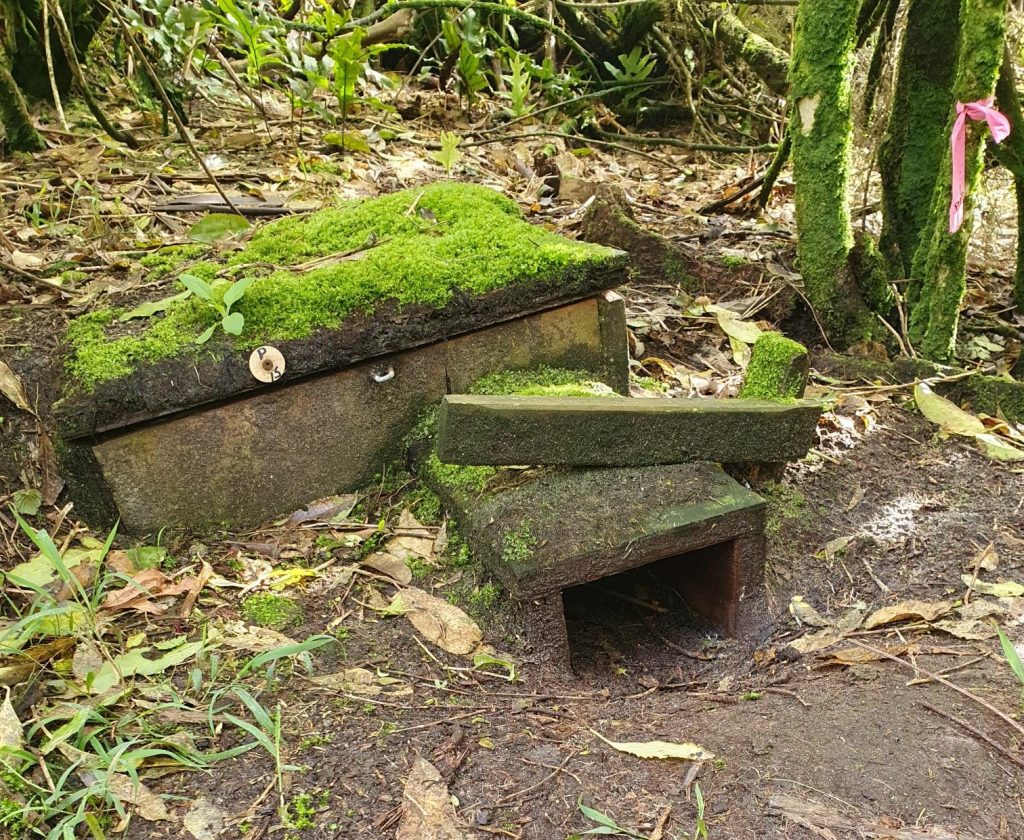 WCPT Ranger, Lucy Waller
Thank you volunteers!
June 10, 2025
A huge thank you to all who volunteer for us – we couldn’t do it without you!
Thank you volunteers!
A huge thank you to all who volunteer for us – we couldn’t do it without you!
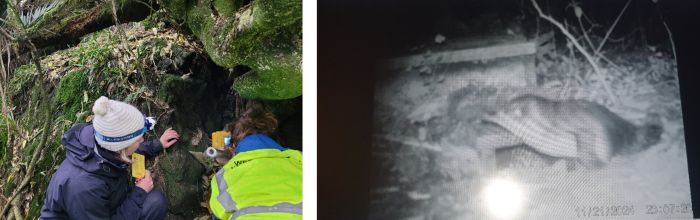
A huge thank you to all who volunteer for us – we couldn’t do it without you! This is a special feature to acknowledge those wonderful volunteers who have helped make our field work and our education programme as good as they can be over the past year. From WCPT Ranger, Lucy Waller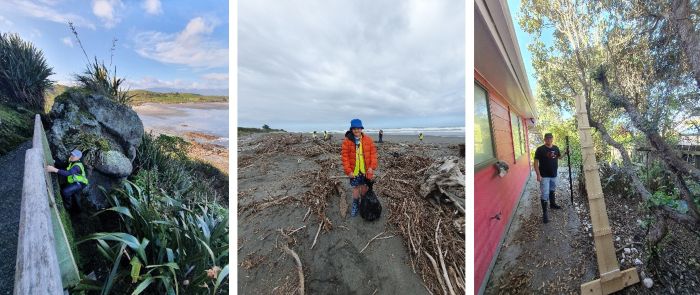 Scrambling through brambles and vines, sliding through thick mud on your knees and climbing up steep muddy, difficult terrain and then back down again, hours of patience searching, listening, looking and waiting through all hours of the night and day, and all this in adverse West Coast weather conditions of relentless driving rain.
Not to mention the soupy, stinky, fishy penguin guano (or less exotic and more real name - penguin poo!) that gets everywhere and the smell that never seems to go. Looking out for ticks, tape worms, and hissing, angry penguins in burrows. Clearing dead rats and stoats from traps and occasionally, sadly, penguins from burrows. Clearing bushes and tracks and technology issues that always seem to bring a new mystery and the not so exciting filing, reporting and website work.
The busy dissection classes that always bring fascinating discoveries. The hours of preparing classroom sessions, building boxes and much more. The difficult, sometimes sad, exhausted, grumpy or fed-up moments and the laughs that come before, during or after those moments - we must say a huge thank you to our volunteers! We literally could not do all our valuable work without you!
We cannot list you all by name individually, but you all know who you are, and we thank every single one of you for all your efforts and time!
Hundreds of students from different schools and classes and their teachers up and down the West Coast have helped us to spread the word and advocate for our penguins and seabirds, as they use all they have learnt through our penguin education sessions. With your help, we reach literally hundreds more people! Some incredible teachers have put so much effort and their own personal time into preparing amazing penguin projects for their classes, including nest box building, theatre, poster making, planting sessions, trap making and nest box installations. We even had a penguin ramp designed, built and tested by former Westland High School Deputy Principal and Conservation Class leader, Peter Brailsford, to help the penguins in the severe erosion we had last year, along with their nest boxes and traps they built and donated to us. And we cannot forget the parents, grandparents, aunties and uncles that have showed up to help us at the beach and in the classroom. Thank you!
Scrambling through brambles and vines, sliding through thick mud on your knees and climbing up steep muddy, difficult terrain and then back down again, hours of patience searching, listening, looking and waiting through all hours of the night and day, and all this in adverse West Coast weather conditions of relentless driving rain.
Not to mention the soupy, stinky, fishy penguin guano (or less exotic and more real name - penguin poo!) that gets everywhere and the smell that never seems to go. Looking out for ticks, tape worms, and hissing, angry penguins in burrows. Clearing dead rats and stoats from traps and occasionally, sadly, penguins from burrows. Clearing bushes and tracks and technology issues that always seem to bring a new mystery and the not so exciting filing, reporting and website work.
The busy dissection classes that always bring fascinating discoveries. The hours of preparing classroom sessions, building boxes and much more. The difficult, sometimes sad, exhausted, grumpy or fed-up moments and the laughs that come before, during or after those moments - we must say a huge thank you to our volunteers! We literally could not do all our valuable work without you!
We cannot list you all by name individually, but you all know who you are, and we thank every single one of you for all your efforts and time!
Hundreds of students from different schools and classes and their teachers up and down the West Coast have helped us to spread the word and advocate for our penguins and seabirds, as they use all they have learnt through our penguin education sessions. With your help, we reach literally hundreds more people! Some incredible teachers have put so much effort and their own personal time into preparing amazing penguin projects for their classes, including nest box building, theatre, poster making, planting sessions, trap making and nest box installations. We even had a penguin ramp designed, built and tested by former Westland High School Deputy Principal and Conservation Class leader, Peter Brailsford, to help the penguins in the severe erosion we had last year, along with their nest boxes and traps they built and donated to us. And we cannot forget the parents, grandparents, aunties and uncles that have showed up to help us at the beach and in the classroom. Thank you!
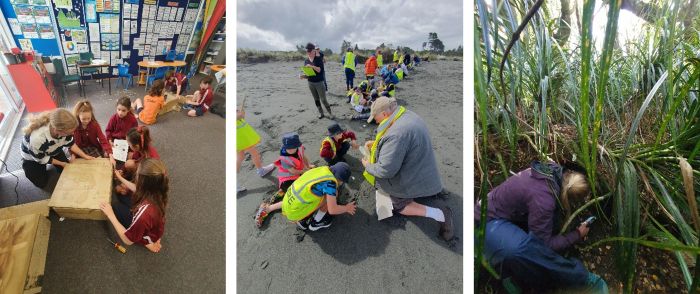 One high school student, Grace Lockington, won an international woman in science scholarship last year and we were lucky enough to be the project that she chose for her scholarship. She, single-handedly sourced, prepared and built bespoke, pre-packaged nest box pieces for groups at Kaniere School to build and with the help of a motivated, passionate teacher, Maria Lockington, who has been leading penguin projects with her classes for some time, they successfully managed to donate to us, 12 nest boxes ready to put out this last season.
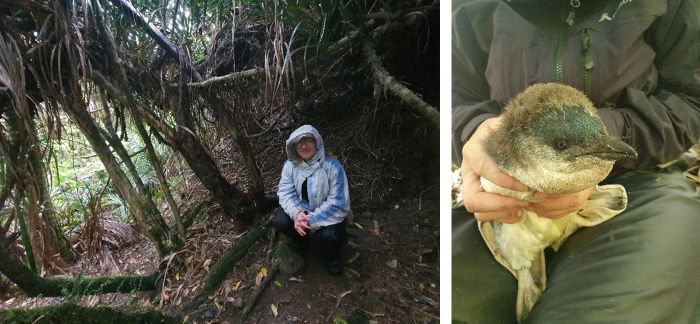 High school biology teacher, Sharon Macleod, spent hours in the bush with us the last two seasons, helping with trapping, monitoring, PIT tagging and our foraging study GPS trackers deployment. Teaching topics such as adaptations and animal behaviour, at the time, made for some interesting and thought-provoking questions and observations in the field, which could then be taken back to the high school classrooms. Dissection classes have always been a favourite with the level 2 and 3 students at the local high schools and a huge thanks to local vet Marjan Sprock, who gave up her time to make these sessions a huge success, and for some students, life-changing.
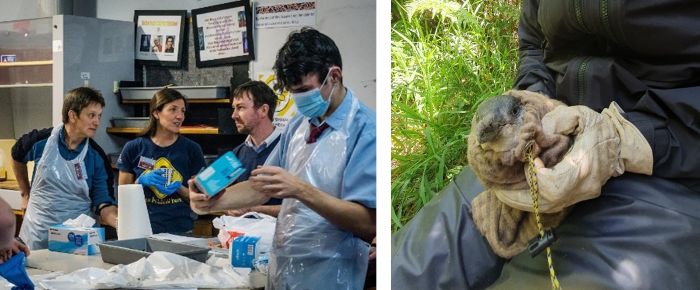 We have had visitors and volunteers from far and wide helping us. Ellen Richardson gave up 8 days of her busy schedule as Zoo Keeper in Wellington, to come help us in our remote colonies and for our foraging study. She even did an all-nighter at Camerons Beach with us, sitting in the bushes, waiting for a particular penguin to come home with our GPS logger attached and kept a smile on her face for the whole time.
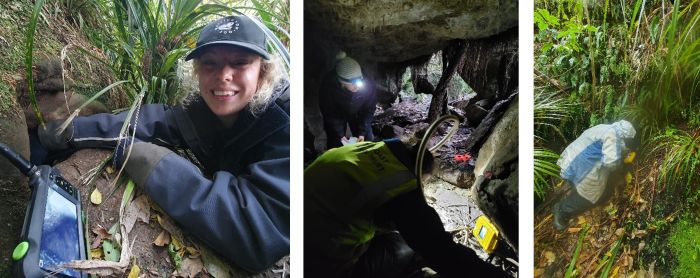 We had a lot of equipment failure this season and we could not have got through the season without the patience and help of Chris Collins, Head of Mathematics at Westland High School. Thank you, Chris, for the last-minute, late-night burrow scope fixing sessions on our old gear for us!
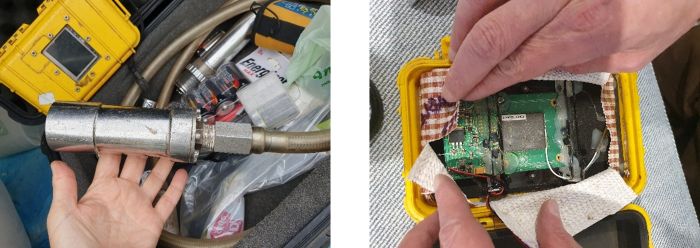 We appreciate you all and know that our valuable work could not be completed without you. Thank you for a great season and we look forward to the upcoming year, working with you all again and any new volunteers that we are lucky enough to welcome.
Ngā mihi nui ki a koe!
We appreciate you all and know that our valuable work could not be completed without you. Thank you for a great season and we look forward to the upcoming year, working with you all again and any new volunteers that we are lucky enough to welcome.
Ngā mihi nui ki a koe!
What happened at Gorge River last season?
June 8, 2025
Tawaki monitoring report from Gorge River, South Westland
What happened at Gorge River last season?
Tawaki monitoring report from Gorge River, South Westland
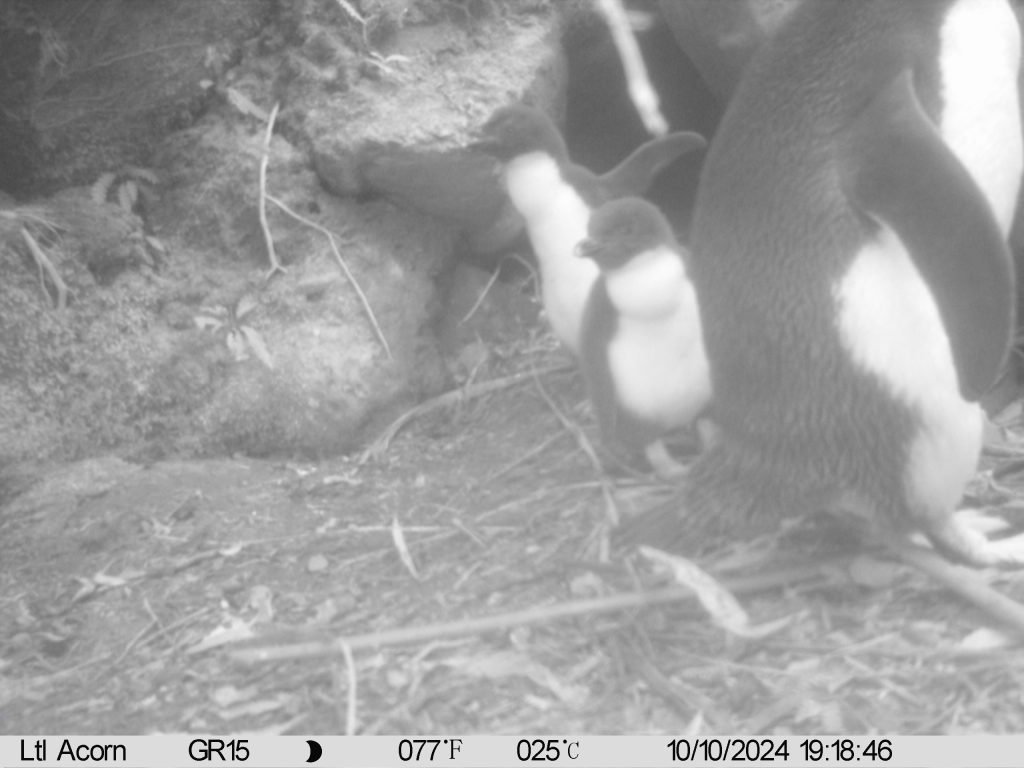
Ranger, Catherine Stewart, reports on the tawaki season at Gorge River... The aim of the monitoring: Tawaki nests were monitored for survival/failure due to predation and to assess general chick growth and apparent health as an indication of food supply and marine conditions. Method: 27 nests were checked 6 times between 20/8/2024 and 28/10/2024 at intervals of 10 to 18 days. 9 of these nests were also monitored with Little Acorn trail cameras. An additional 15 nests known from previous years were checked on 20/8/2024. 2 lured cameras were baited with cooked meat in a fine metal mesh ball inside a tin can wired to a tree approx. 1m above the ground, early and late in the season. Results for the season Results throughout the season were limited due to camera and battery failure. The cameras have reached the end of their life and we have been fortunate to secure a grant for new cameras in time for the 2025 season. There was some difficulty getting batteries recharged (relying on solar power in this remote location) in the time between nest visits. Nest checks All birds were sitting on eggs by 20 August. Of the additional 15 old nests, none showed any sign of having been used. There was no sign of hatching on 28 August. All eggs were hatched by September 22nd. Chicks appeared well fed throughout the season and appeared to grow at an average rate. Just two chicks were seen during the nest checks at the end of October, suggesting two successful nests in addition to those with cameras present. 24 of 27 nests with sitting birds on 20 August had at least one egg present. Nest cameras Of the nine camera-monitored nests, two had healthy chicks to the middle of October and four to the end of October/early November. One (late) nest had two healthy chicks present close to the end of the guard phase on 10 October. Due to camera failure, there was no further sight of them in the next 18 days and the nest appeared empty and abandoned after 28 October. Two nests appeared to have failed by mid-September, one after a stoat visit. Lured Cameras Results in September and early October were haphazard with camera and battery failure. Two new Bushnell Trail cameras donated to the Trust were deployed on 27 October. Several possums and rats were seen near the bait. Four stoats were seen early in December.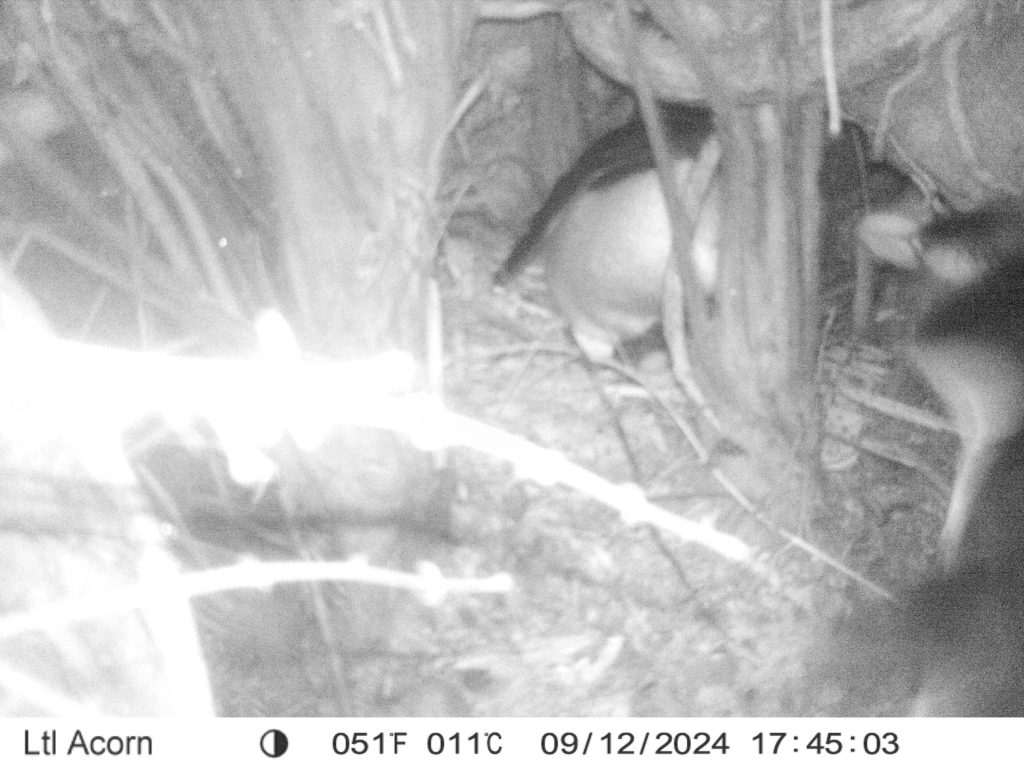 Conclusions
It was average season, i.e. not seeing two chicks but with most nests raising one chick. There were low numbers of stoats and there also appeared to be plenty of food around, looking at the chicks, and that was confirmed by The Tawaki Trust.
Heading into year 12 now, the aim will be to maintain continuity of data with the added benefit of new cameras.
Catherine Stewart, West Coast Penguin Trust, Autumn 2024
Conclusions
It was average season, i.e. not seeing two chicks but with most nests raising one chick. There were low numbers of stoats and there also appeared to be plenty of food around, looking at the chicks, and that was confirmed by The Tawaki Trust.
Heading into year 12 now, the aim will be to maintain continuity of data with the added benefit of new cameras.
Catherine Stewart, West Coast Penguin Trust, Autumn 2024
A shout out to our cool West Coast kaitiaki tamariki!
June 5, 2025
Children as guardians of penguins - kaitiaki tamariki
A shout out to our cool West Coast kaitiaki tamariki!
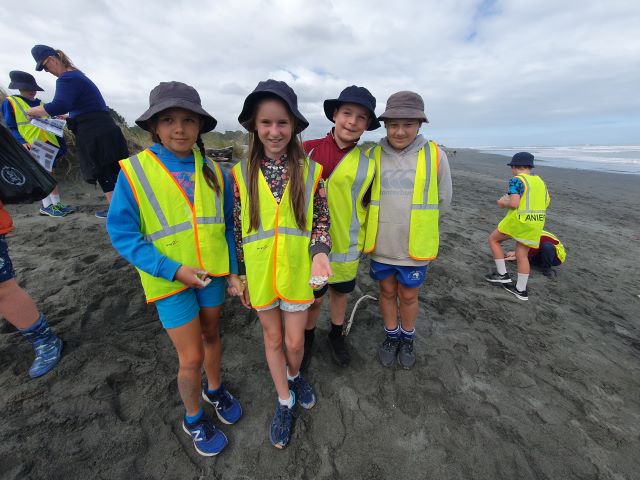
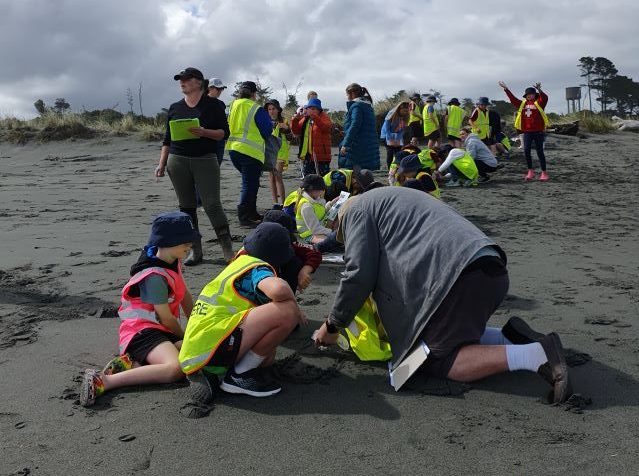
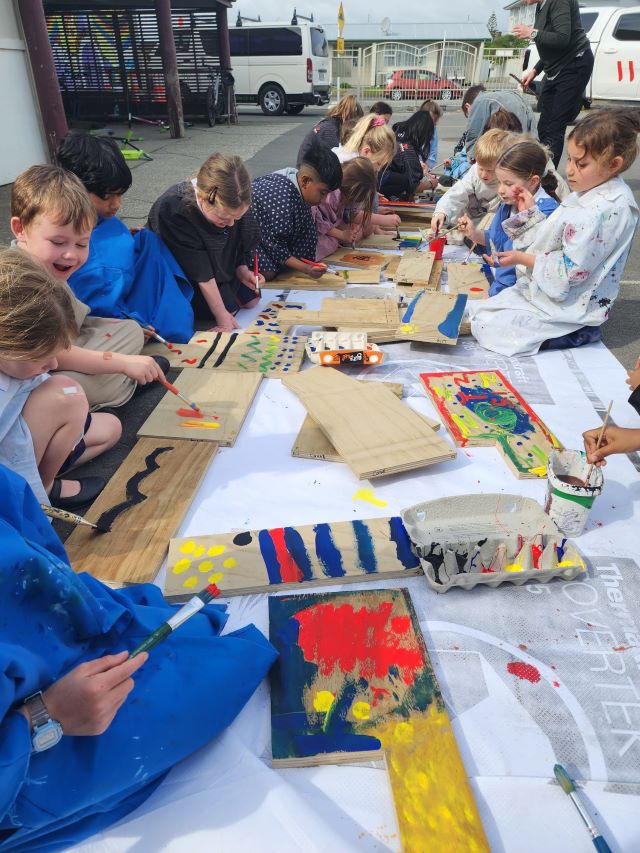
Children as guardians of penguins - kaitiaki tamariki
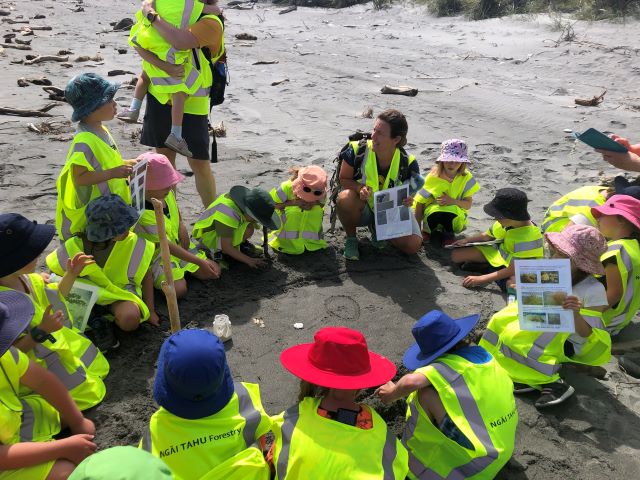
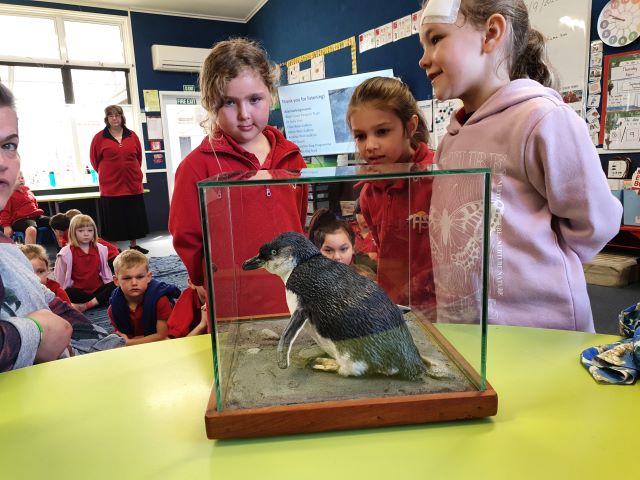
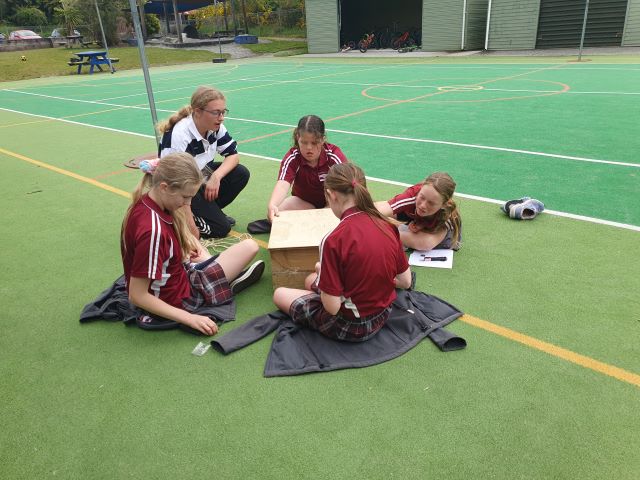
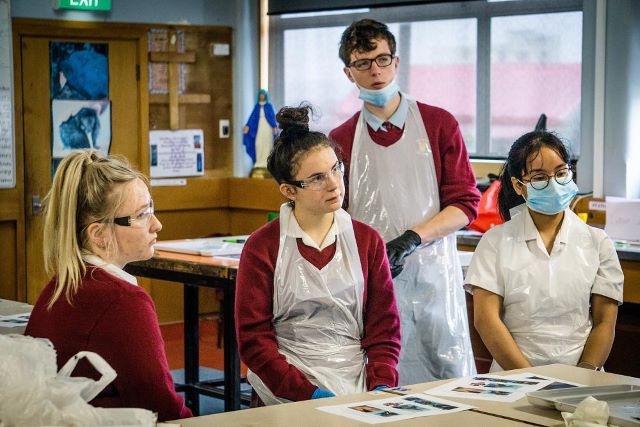
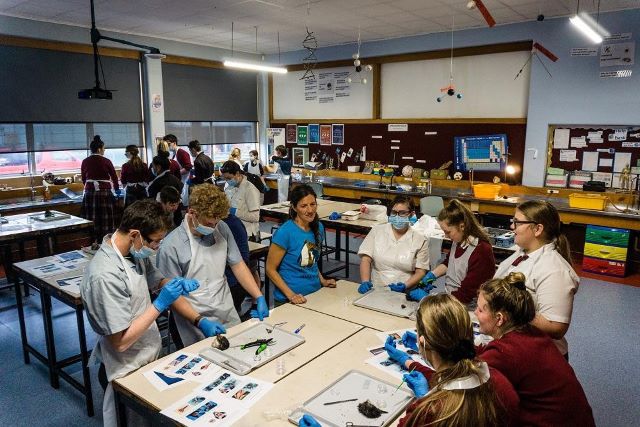
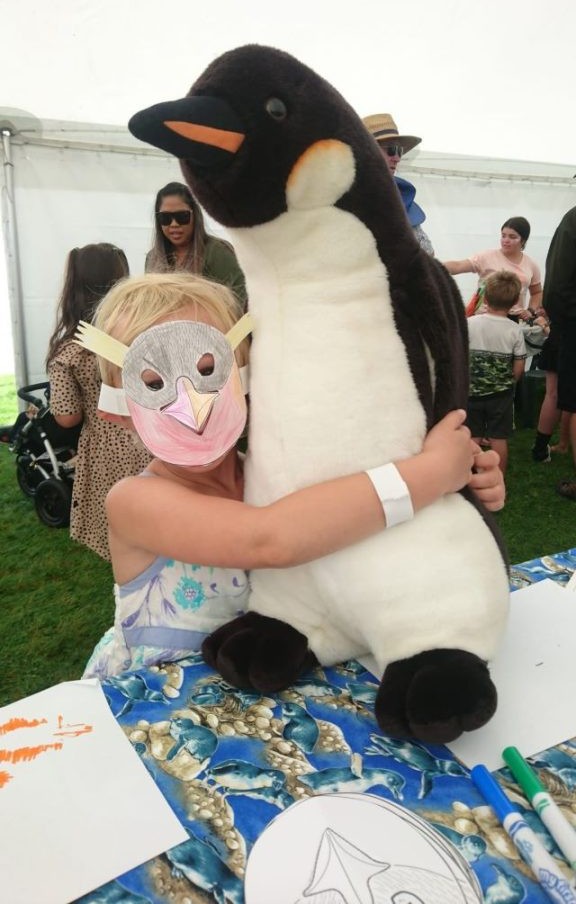
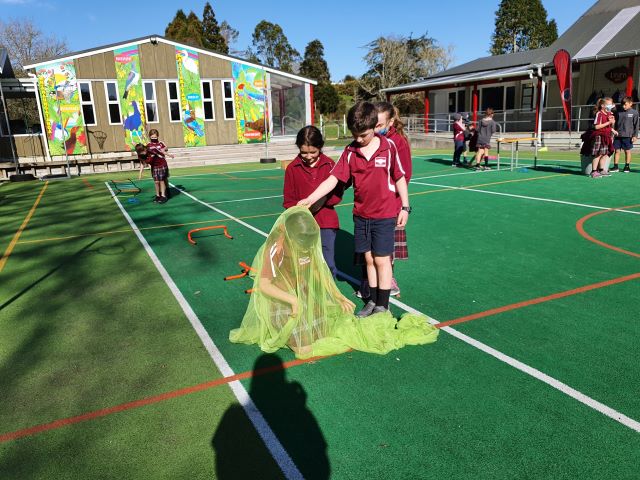
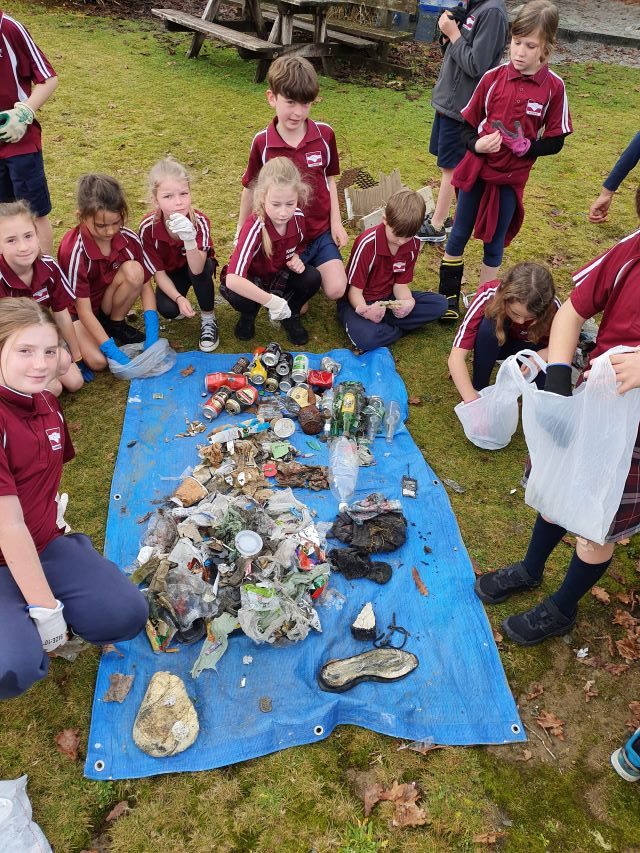
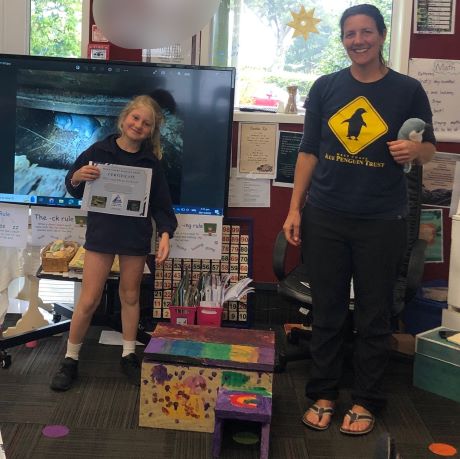
We are so lucky here on the West Coast to have such cool, proactive and enthusiastic children and youth, tamariki and rangatahi, who give up their time and energy to help protect and advocate for our local wildlife, particularly our penguins! Whether it's through school projects, girl guides, scouts, or volunteering, the young people of the West Coast are always keen to help support our cause. Aged 4 years to 19 years old! There are hundreds of you out there that we would like to thank, so we cannot possibly mention you all by name, and some of you wouldn't want your names out there either, so we say a very huge, heart-felt thank you to every single one of you! You know who you are!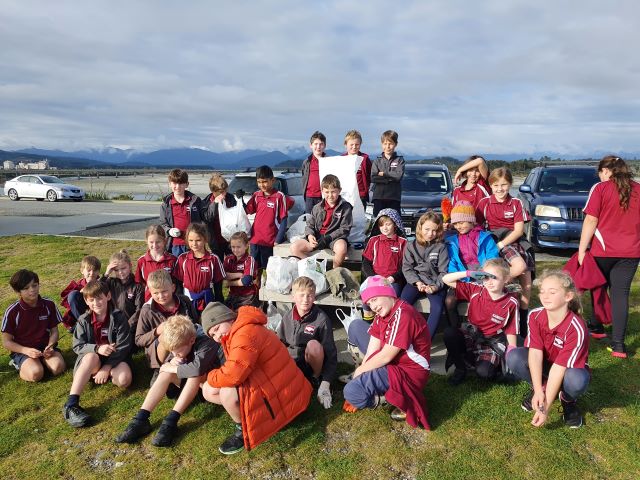
Sarah Kivi reports on tawaki monitoring for 2024
June 1, 2025
Two tawaki colonies in South Westland were monitored twice during the season.
Sarah Kivi reports on tawaki monitoring for 2024
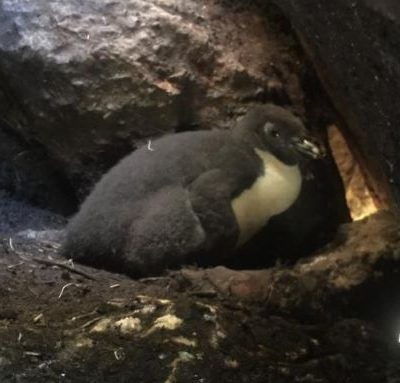
Two tawaki colonies in South Westland were monitored twice during the season.
We have been lucky enough to have Sarah Kivi carry out our Haast area tawaki monitoring for the past few years and these are her findings from the 2024 tawaki season... Aim of programme: To monitor 10-15 nests from both Haast colonies twice during the breeding season in order to gain a general idea of breeding success each year and ideally relate that to conditions such as those at sea or beech seed mast events and increased stoat presence. The first visit on 6th September was timed to find active nests and record eggs laid and the second visit on 25th September to record survival of chicks prior to them leaving the nest to form a creche. A bonus third visit was made by Ranger Lucy on 10th October.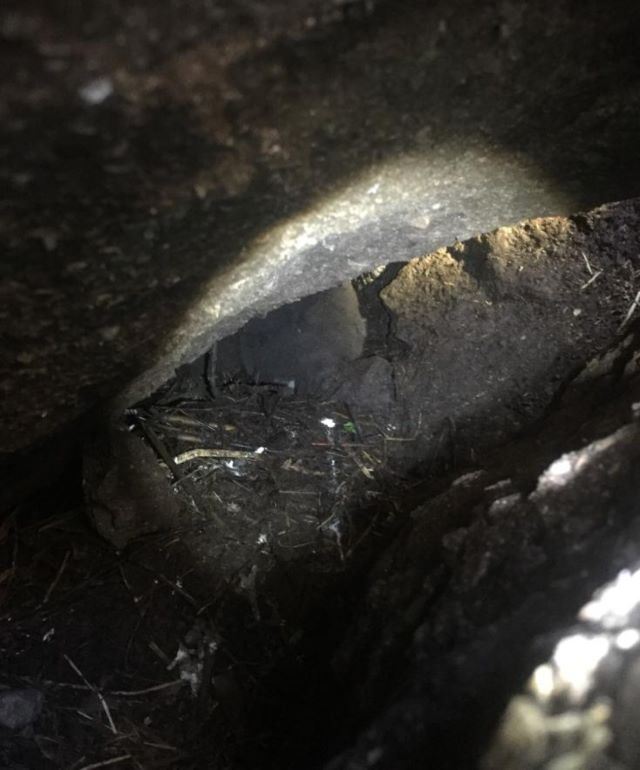
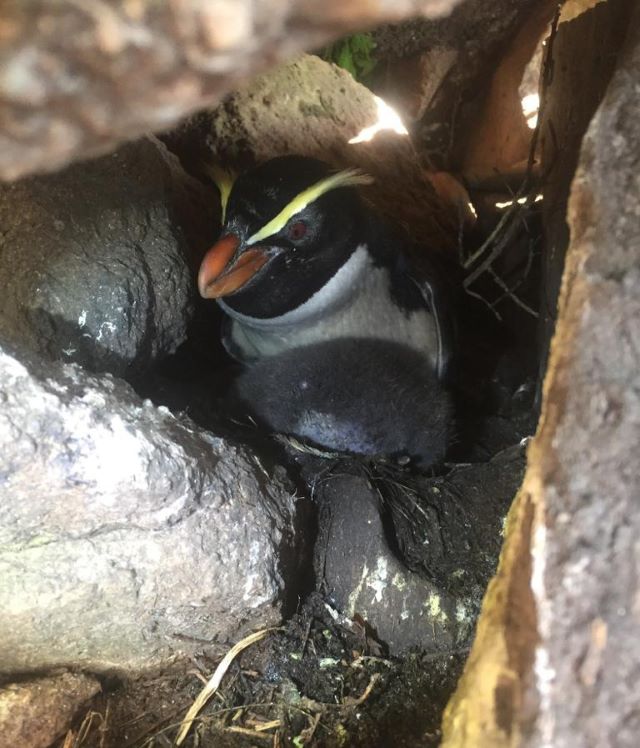 Report from Colony 2:
Eleven active nests were monitored here. There appears to have been a decent rockslide along the coastline of the most westerly part of the colony and this has eliminated several nesting sites which had been monitored in previous years.
Of the 11 active nests monitored and 20 eggs laid, 1 nest failed at the egg stage and 1 at the chick stage while 9 nests successfully hatched chicks resulting in 11 live chicks at the time of the 2nd visit.
2023 season was an unusual season where we had many two chick nests succeed to fledging, which coincided with an El Niño year. This happened at Gorge River that year too. For 2024, things have settled back to more of the 'norm' this season, the occasional 2 chicks surviving but the majority fledge one chick per nest.
Sarah Kivi, Ranger, West Coast Penguin Trust
Report from Colony 2:
Eleven active nests were monitored here. There appears to have been a decent rockslide along the coastline of the most westerly part of the colony and this has eliminated several nesting sites which had been monitored in previous years.
Of the 11 active nests monitored and 20 eggs laid, 1 nest failed at the egg stage and 1 at the chick stage while 9 nests successfully hatched chicks resulting in 11 live chicks at the time of the 2nd visit.
2023 season was an unusual season where we had many two chick nests succeed to fledging, which coincided with an El Niño year. This happened at Gorge River that year too. For 2024, things have settled back to more of the 'norm' this season, the occasional 2 chicks surviving but the majority fledge one chick per nest.
Sarah Kivi, Ranger, West Coast Penguin Trust
What are kororā eating on the Coast?
January 7, 2025
A new environmental DNA pilot study by the New Zealand Penguin Initiative focussed on two sites, the Otago Peninsula and the West Coast Penguin Trust's study site at Camerons, Greymouth.
What are kororā eating on the Coast?

A new environmental DNA pilot study by the New Zealand Penguin Initiative focussed on two sites, the Otago Peninsula and the West Coast Penguin Trust's study site at Camerons, Greymouth.
A new environmental DNA pilot study by the New Zealand Penguin Initiative (NZPI) to find out what little penguins / kororā are eating focussed on two sites, the Otago Peninsula and the West Coast Penguin Trust's study site at Camerons, Greymouth. A summary of the NZPI pilot follows from Hiltrun Ratz:
What are kororā eating? eDNA Pilot Summary |
|
|||
|

|
It’s been super exciting to get the go ahead to do a nationwide study on kororā diet this year. It’s just the start but we have results for two areas so far: Otago Peninsula and South Island West Coast. Scat – aka pooh – was collected in October and sent to Wilderlab for analyses of the DNA. These are then compared with known fish, crustaceans, molluscs etc. DNA and a list of species was sent back for the exciting bit of working out what the kororā have been eating. While the results were not unexpected, they were surprising! |
|
|
|
|
|
|
|

|
There were other species present in both samples, but they were not important: Tarakihi, Squid, Hoki, Lightfish, Stargazers, Warehou, various species of Kopupu (Whitebait), Octopus, Greenbone, Gurnard and Thornfish. These species were likely taken as pelagic youngsters. There are four more samples being processed from the North Island and we are looking forward to finding out how the diet there is different to the pilot study from the South Island colonies. And then we are doing it all again in a couple of months to find out what kororā are eating during summer – and then autumn and winter. |
The main prey of our West Coast kororā were blackhead lanternfish or Lampichthys procerus, one of 250 species of lanternfish and one that seems to have avoided cameras - just a line drawing exists online. Apparently, they are found around the globe in the southern hemisphere in the region of the Subtropical Convergence. They grow up to 10cm long - perfect size for capture and swallow by kororā. We will be collecting scat seasonally to contribute to this interesting and valuable study.
Little penguin season update

Good breeding season on the cards
The Trust's foraging study - tracking little penguins / kororā at sea - shifted from Charleston to Camerons for the 2023 season and the colony there was found more suitable for the regular breeding success monitoring and further developing our research programme.Breeding success monitoring
Field work for the 2024 season started on 22 July at the Camerons colony, where most of the nest sites are in nest boxes and easier to monitor. Ranger Lucy Waller has found 61 potential nest sites in the general area, 21 of them being active this season. Interestingly, Lucy found that eggs were laid in 17 of these nests within the same three day period at the end of August. One pair laid two weeks earlier and first the chicks appeared to struggle and then sadly one adult was found dead in the nest. One of the chicks from that nest fledged at 11.5 weeks old and the other, apparently having been roughed up by the other, was slower and had to recover from lost chick down on his head, but we are pleased to report that the second chick fledged successfully at around 13 weeks old. Eggs were laid in the other three nests a few weeks later in mid-October.
Microchipping for demography study
Microchipping of penguins at the Camerons colony also began this season and with help from fabulous volunteers Sharon, Maria and Grace, Lucy has microchipped 20 adults and 20 chicks. Microchips, also known as transponders or PIT tags, allow the trust to identify individual penguins. Lucy is trained to insert the microchip under the penguin's skin while the penguin is carefully held by her field assistant. A wand reader can be used to obtain a unique code from the microchip each time the penguin is seen. Minimal handling is always best and the penguins are back in their nest in moments.
Foraging study
The improved understanding of kororā described above will be supported by the foraging study, which this year has tracked kororā during the egg and then chick guard stages. The loggers record where penguins have been as well as frequency and depth of dives. The trust is very fortunate to have guidance from our scientist Dr Thomas Mattern and through him, Masters student Patrick Daugherty. In 2025, Patrick will be reviewing the foraging data with respect to marine conditions for our study and another community project based in New Plymouth. This is an area of work the trust has been hoping to undertake for a few years, linking an understanding of El Niño / La Niña conditions, sea surface temperatures and nutrients / chlorophyll to breeding success. Read more about the foraging study here Find out about a Te Nukuao Wellington Zoo volunteer working on this study hereTe Nukuao Wellington Zoo shares penguin volunteer Ellen
December 10, 2024
Conservation partnership supports eight excellent and long volunteer days for Ellen Richardson working with Ranger Lucy Waller.
Te Nukuao Wellington Zoo shares penguin volunteer Ellen

Conservation partnership supports eight excellent and long volunteer days for Ellen Richardson working with Ranger Lucy Waller.
The West Coast Penguin Trust has benefitted from a conservation partnership with Wellington Zoo Trust - Te Nukuao Tūroa o Te Whanganui a Tara for several years. The partnership began in 2017 founded on our shared interest in the wellbeing and improved conservation outcomes for both little penguins or kororā and Fiordland crested penguins or tawaki. Our trust's work has benefitted from donations, predominantly for tawaki projects, but also for penguin care and rehabilitation with the zoo's animal hospital - The Nest Te Kōhanga, education, and sourcing ethical, sustainable fundraising items for sale. We have also presented our work to zoo staff and to other conservation partners and stakeholders, and supported the zoo's lead on the global 'Reverse the Red' campaign to ensure the survival of wild species and ecosystems. One component of the conservation partnership is the opportunity to have a volunteer assist in our work. The zoo offers staff the opportunity to apply for paid leave to work on conservation projects linked to the zoo. This year we were very fortunate to have zoo keeper Ellen Richardson join us. Ellen's key role was to assist Ranger Lucy Waller with the foraging study. Penguins need to be held carefully while loggers are attached and Ellen stepped up perfectly for this role. The flip side of attaching loggers is retrieving them. Ellen and Lucy spent hours waiting for some of the birds with loggers to return late at night so that they could be retrieved.